
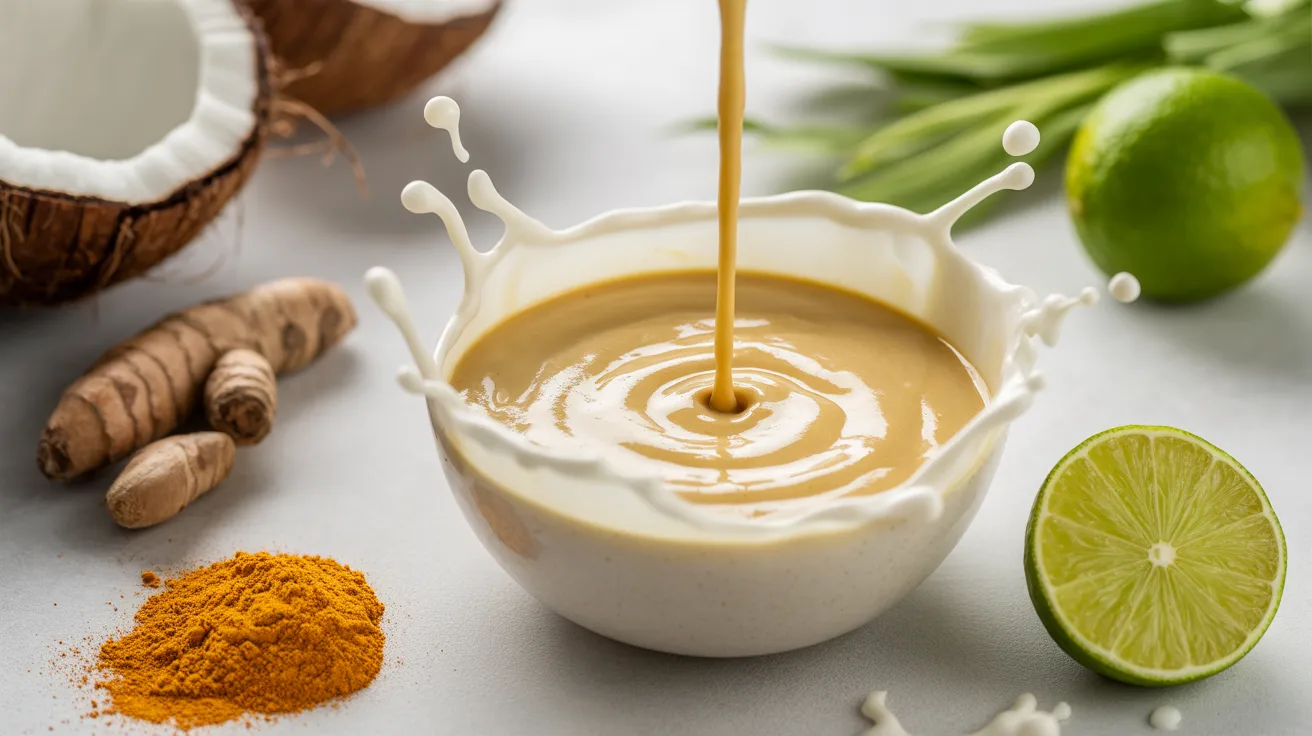
22 Turmeric Tahini Dressing Recipe Ideas for Anti-Inflammatory Meals to Try!
1) Golden Lemon Turmeric Tahini (Everyday Basic)
This is the “goes-with-everything” version: creamy tahini, bright lemon, warm turmeric, and a little garlic. It tastes clean and fresh, not heavy—perfect for daily anti-inflammatory meals where you want flavor without a lot of effort. Use warm water to loosen tahini so it turns silky, then whisk until it looks glossy and smooth.
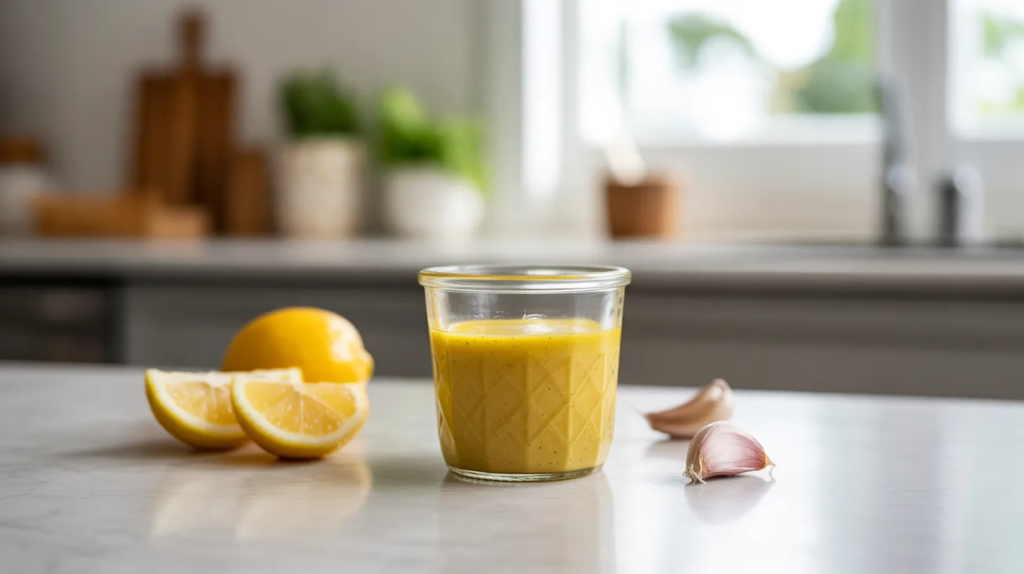
Drizzle it over mixed greens, quinoa bowls, roasted veggies, or grilled chicken. It also works as a dip for cucumber sticks and bell peppers. If you meal prep, store it in a jar and add a splash of water before serving to bring back that pourable consistency.
2) Ginger Turmeric Tahini (Zingy Detox-Style)
This version adds fresh ginger for a sharper, brighter finish that feels energizing. It’s great for anti-inflammatory plates because ginger and turmeric pair well with citrus and tahini’s richness. Grate ginger finely (or use ginger paste) so the flavor blends smoothly instead of leaving spicy chunks.
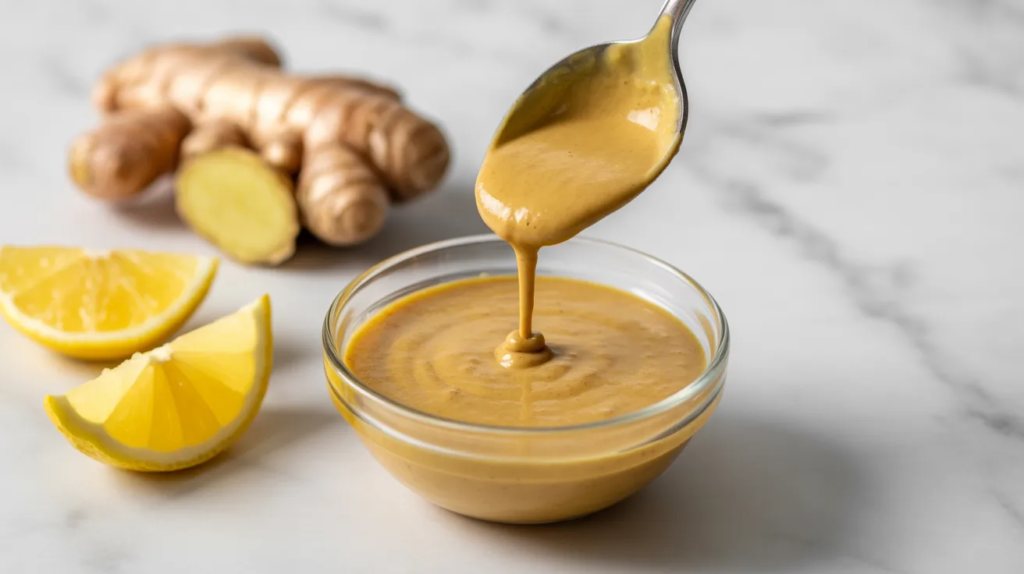
Try it on shredded cabbage slaw, carrot ribbons, or a kale salad with pumpkin seeds. It’s also amazing on roasted sweet potato wedges or chickpea bowls. If you want it thinner for salads, whisk in extra warm water a teaspoon at a time until it becomes a light drizzle.
3) Maple Turmeric Tahini (Sweet + Savory Balance)
If lemon-only tastes too sharp, a touch of maple syrup makes the dressing round, mellow, and super craveable. It’s still wholesome, but the sweetness balances turmeric’s earthiness and tahini’s slight bitterness. This is the one that converts picky eaters—especially if you’re making “healthy bowls” for the family.
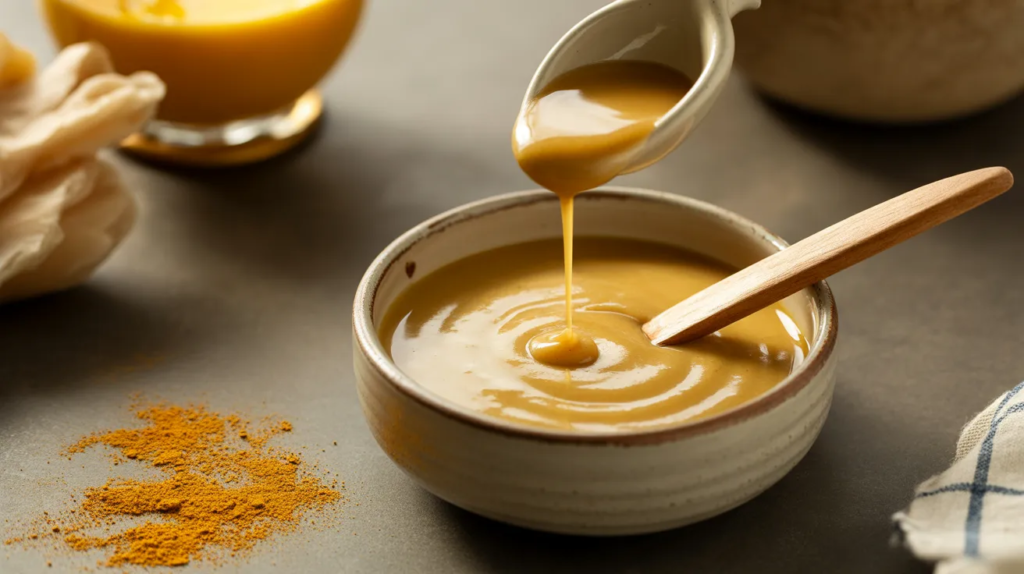
Use it on roasted Brussels sprouts, cauliflower, or a fall grain bowl with apples and walnuts. It’s also tasty over baked salmon or tofu. For best texture, whisk tahini with lemon first, then maple, then turmeric, then water—this order helps prevent clumps and makes it extra smooth.
4) Garlic Herb Turmeric Tahini (Green + Fresh)
This one feels like a creamy herb sauce with a golden glow. Adding parsley, dill, or cilantro brings freshness and makes it perfect for lighter anti-inflammatory meals. Use fresh herbs if possible, or dried herbs if that’s what you have—either way you’ll get a salad-dressing vibe with a “clean” finish.
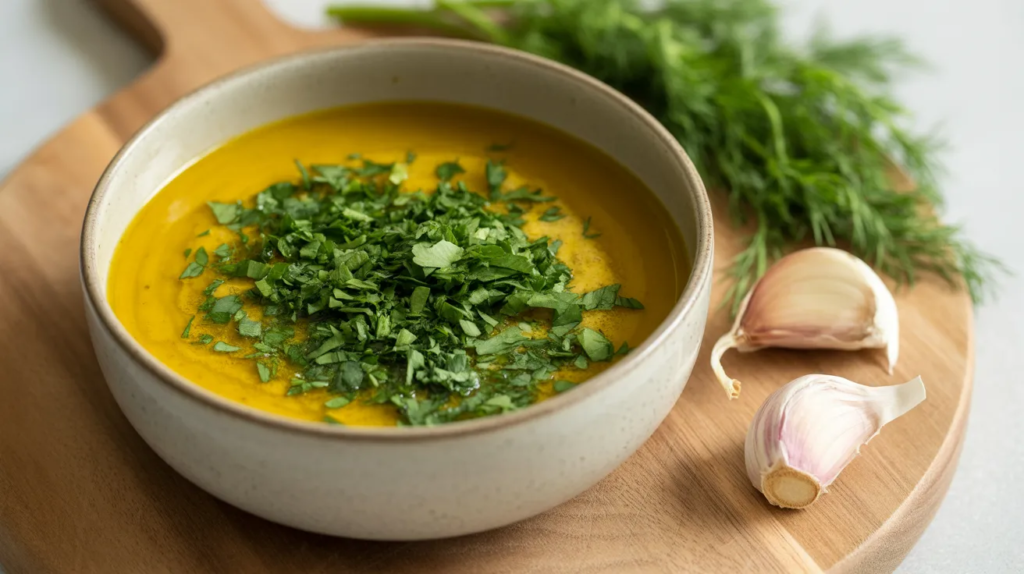
Drizzle it over cucumber-tomato salad, roasted zucchini, or grilled shrimp. It also works as a sauce for wraps with lettuce, avocado, and chicken. If you’re using dried herbs, let the dressing rest for 10 minutes so the herbs hydrate and the flavors blend into a smoother, more balanced taste.
5) Spicy Turmeric Tahini (Chili + Lime Kick)
When you want anti-inflammatory meals that don’t feel boring, spice helps a lot. This version uses chili flakes or hot sauce plus lime for a punchy, bold flavor. The tahini keeps it creamy while turmeric adds warmth, and the lime keeps it light so it doesn’t taste heavy or oily.
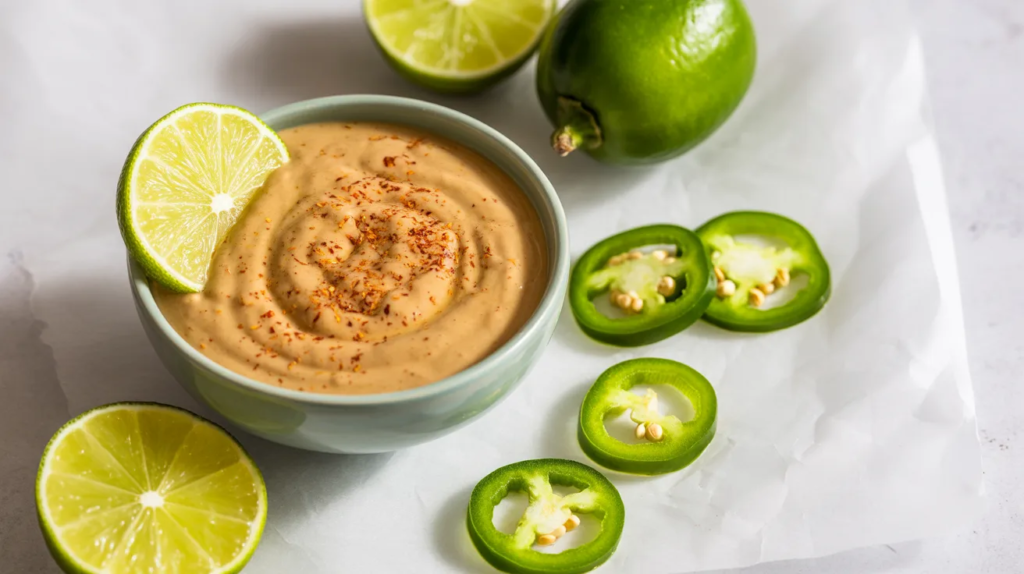
Try it on taco-style bowls with black beans, corn, and shredded lettuce. It’s also excellent over roasted carrots or crispy baked cauliflower. If it tastes too intense at first, add a bit more water and a tiny touch of maple or honey to smooth out the heat without losing the bright spicy flavor.
6) Creamy Yogurt Turmeric Tahini (Extra Protein)
Mixing tahini with Greek yogurt makes a thicker, high-protein dressing that feels like a sauce. It’s perfect for anti-inflammatory meals when you want something filling without being heavy. Turmeric blends beautifully into yogurt, and lemon keeps it bright so it doesn’t taste flat or overly tangy.
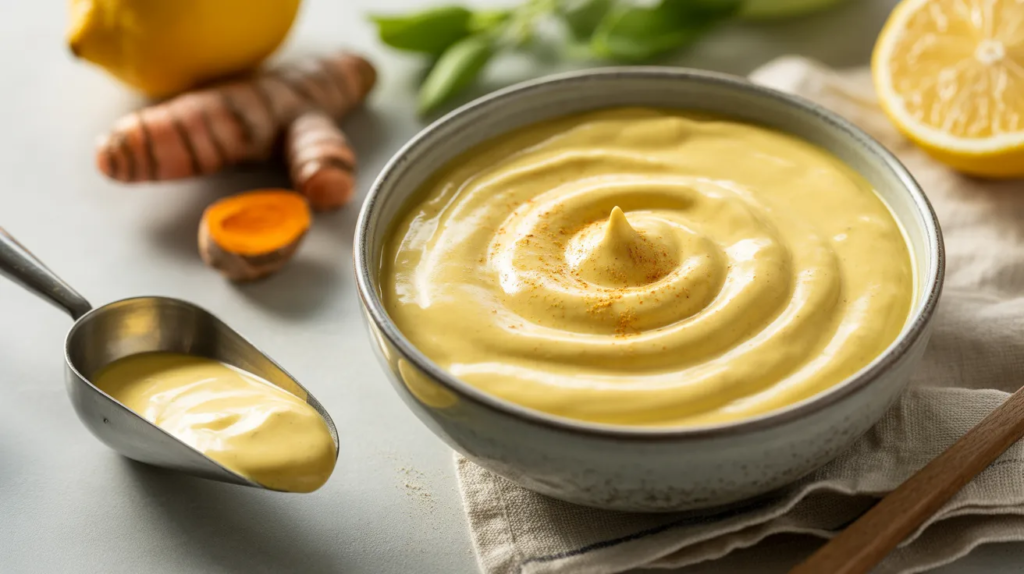
Use it as a dip for roasted potatoes, grilled chicken, or veggie sticks. It also works as a base sauce for a Mediterranean bowl with cucumber, tomatoes, and olives. If you want it more “dressing-like,” whisk in water until it becomes pourable—start slow so you don’t thin it too much.
7) Orange Turmeric Tahini (Citrus Glow)
Orange makes turmeric tahini taste sunny and slightly sweet without needing much added sugar. It’s a nice option for anti-inflammatory meals that include bitter greens (like arugula) because citrus softens that bite. Add orange juice and a little zest for a more “real” citrus flavor.
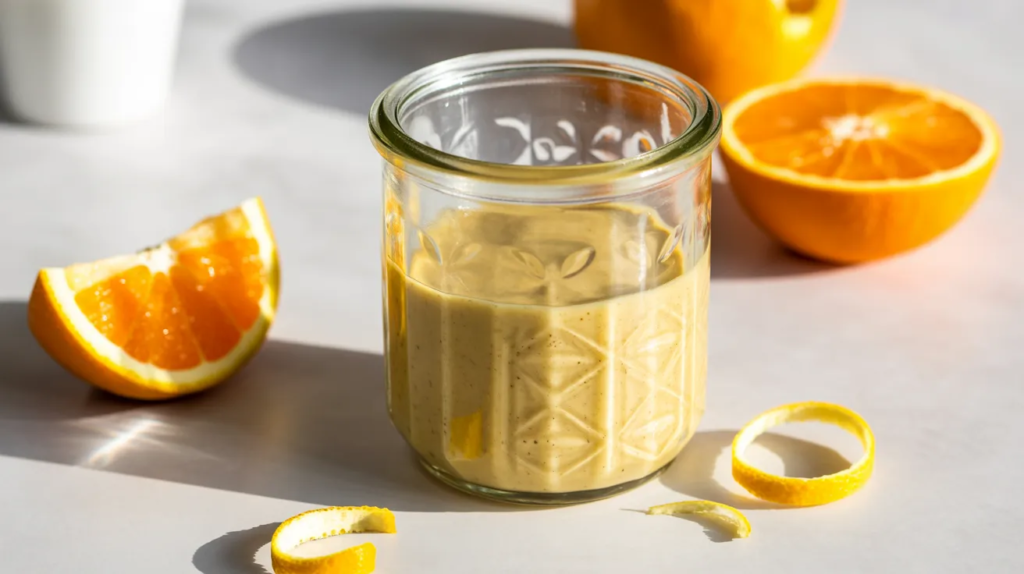
It’s great on spinach salads with almonds, or a quinoa bowl with roasted beets and carrots. It also pairs well with grilled fish. If you want the orange to pop more, add a tiny pinch of salt and a dash of black pepper—pepper also helps the turmeric taste deeper and less dusty.
8) Tahini Turmeric “Ranch-Style” (Dairy-Free Comfort)
This idea gives you that comforting ranch feeling but stays dairy-free and anti-inflammatory-friendly. Use garlic powder, onion powder, lemon, and herbs to create a familiar flavor profile, then add turmeric for warmth and color. It’s especially good for people who love creamy dips with snacks or salads.
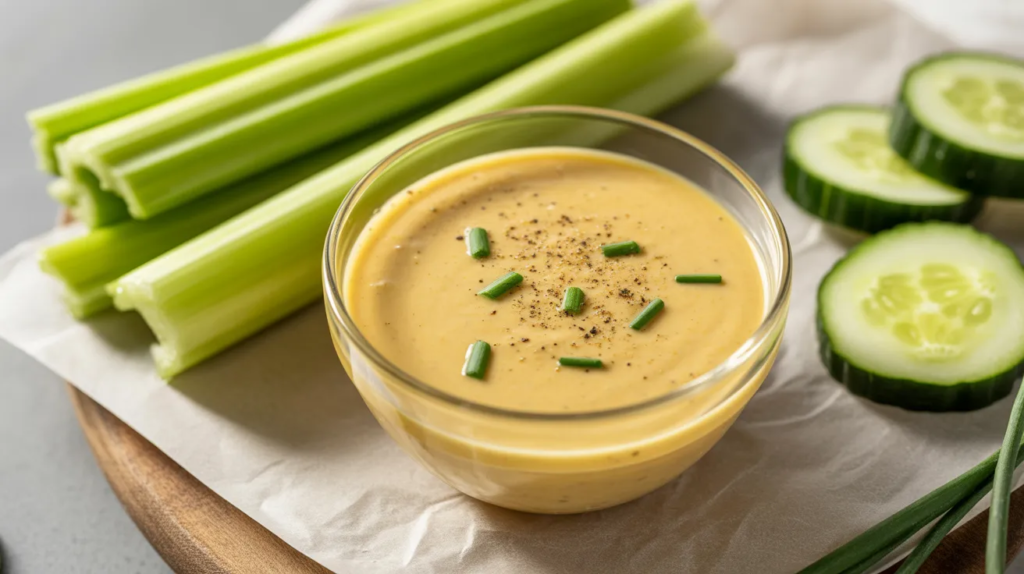
Use it on chopped salad bowls, as a dip for carrots and celery, or drizzled over baked chicken tenders. It also works for meal prep lunches because it stays thick and creamy. If it becomes too thick in the fridge, stir in a spoon of water and it will loosen back up instantly.
9) Miso Turmeric Tahini (Umami Boost)
Adding miso turns turmeric tahini into a savory, umami-rich dressing that tastes restaurant-level. It’s perfect for anti-inflammatory meals with roasted veggies or simple grains because it adds depth fast. Use white miso for a mild flavor or yellow miso for a deeper, saltier taste.
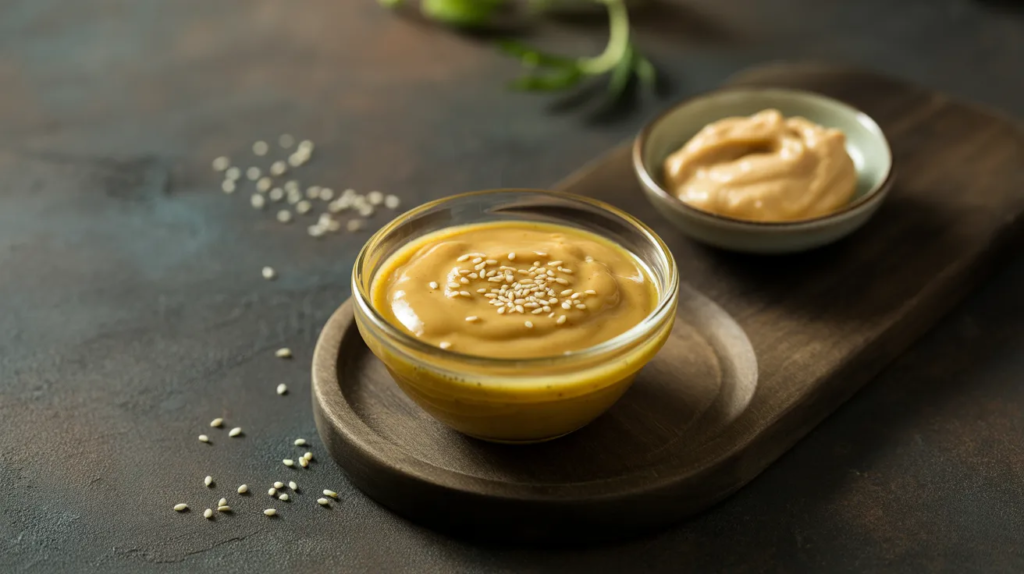
Try it on roasted eggplant, broccoli, or a brown rice bowl with mushrooms. It also works as a sauce for noodles with shredded cabbage. Because miso is salty, taste first before adding extra salt. If it’s too thick, warm water will thin it smoothly without breaking the creamy texture.
10) Coconut Turmeric Tahini (Creamy Tropical Twist)
Coconut milk makes the dressing extra creamy and slightly sweet, giving it a gentle “golden curry” vibe. It’s a fun way to keep anti-inflammatory meals interesting, especially if you’re bored of lemon-based dressings. Pair it with lime instead of lemon to lean into the tropical flavor.
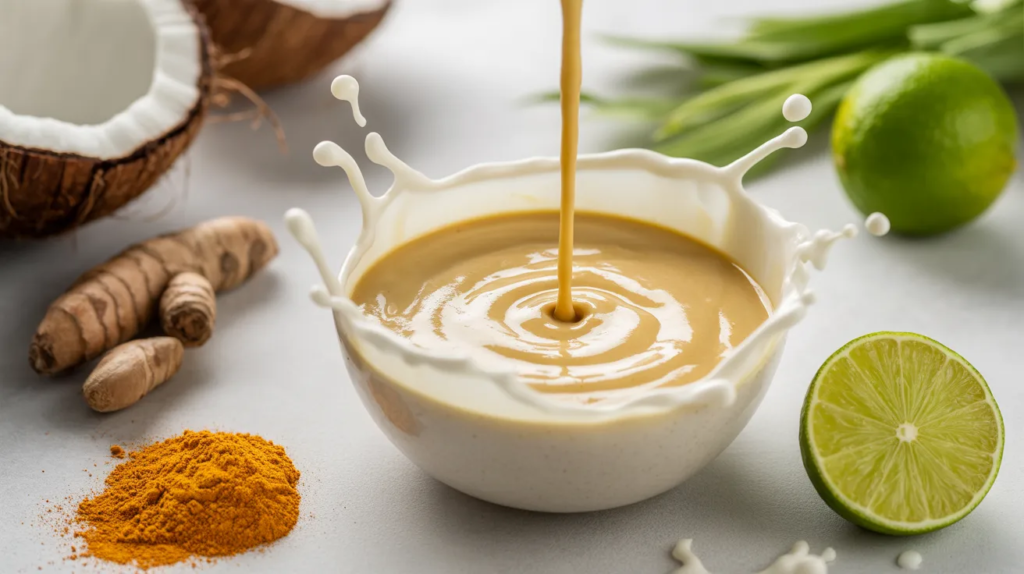
Drizzle it over roasted sweet potatoes, cauliflower rice, or grilled chicken. It also works on a veggie bowl with cucumbers and mango for a bright contrast. If you want it thinner, add water; if you want it richer, add a bit more coconut milk and a pinch of salt to balance sweetness.
11) Apple Cider Turmeric Tahini (Tangy + Cozy)
Apple cider vinegar gives a tangy, cozy flavor that pairs beautifully with turmeric. It’s great for anti-inflammatory meals in colder months when you’re eating roasted veggies and warm bowls. The vinegar adds brightness, while tahini keeps it creamy so it doesn’t taste too sharp.
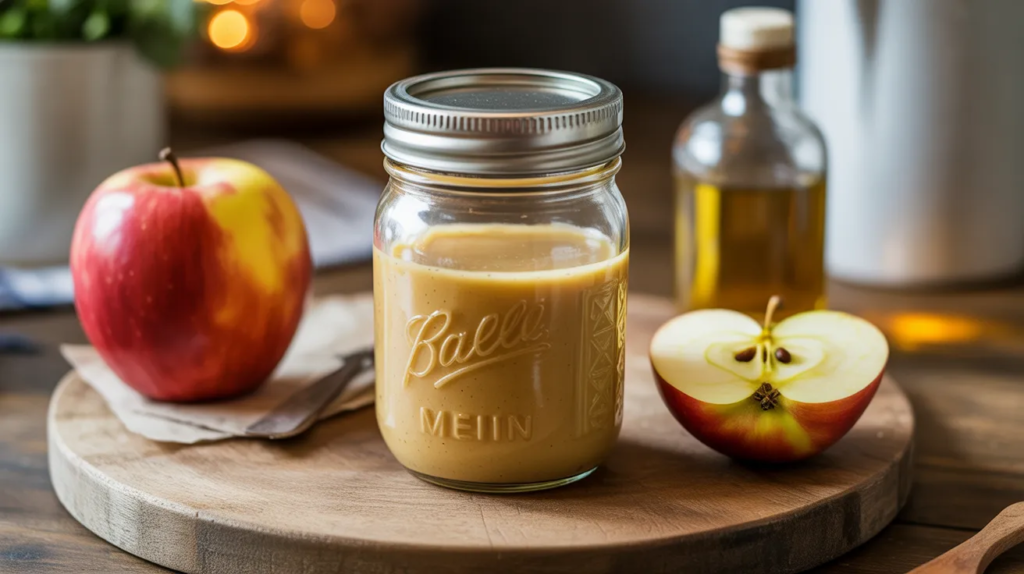
Use it on roasted Brussels sprouts, cabbage, or a lentil bowl with spinach. It’s also tasty with baked tofu. If you find apple cider vinegar too strong, balance it with a small spoon of maple syrup. Let it sit for a few minutes after mixing so the flavors calm down and blend smoothly.
12) Avocado Turmeric Tahini (Ultra Creamy Green Gold)
Blending avocado into turmeric tahini makes it thick, smooth, and super satisfying. It feels like a creamy sauce, but it’s made from simple whole ingredients that fit anti-inflammatory meals nicely. Keep the lemon strong so it stays fresh and doesn’t taste too heavy, and add water slowly to reach your perfect texture.
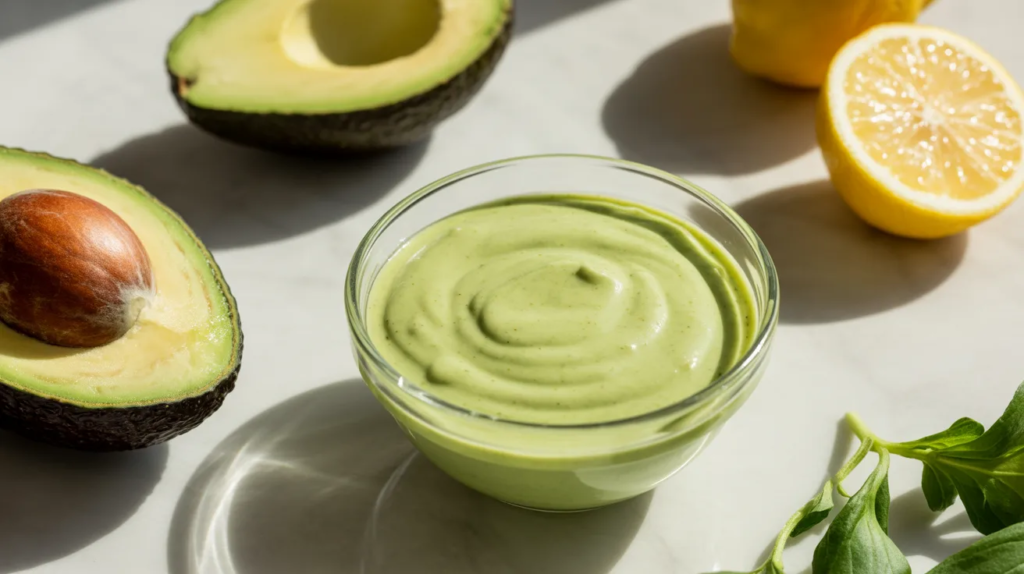
This is amazing on taco salads, grain bowls, and roasted veggie plates. It also works as a spread in wraps with chicken and crunchy lettuce. For meal prep, store it with plastic wrap touching the surface to reduce browning, or add extra lemon to help it stay bright longer.
13) Cumin Turmeric Tahini (Smoky Middle Eastern Vibe)
Cumin adds a smoky, warm flavor that makes turmeric tahini feel more savory and “spiced,” like something you’d get in a Mediterranean café. This is perfect when your anti-inflammatory meals include chickpeas, roasted veggies, or grilled proteins. It’s bold without being spicy, so it works for most taste preferences.
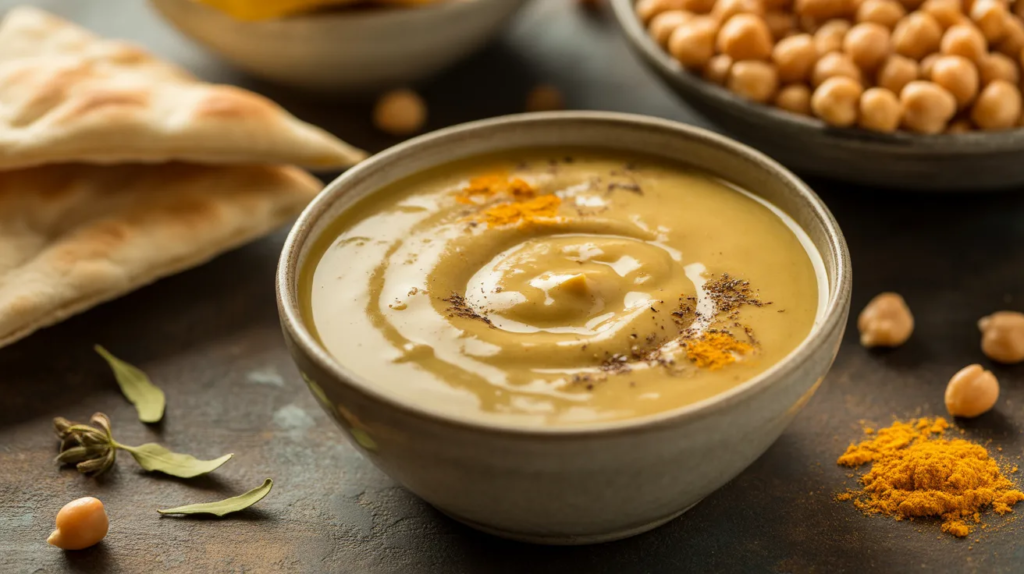
Drizzle it over a chickpea salad, roasted cauliflower, or grilled chicken skewers. It also pairs well with brown rice bowls and cucumber salad. If you want a little more tang, increase lemon. If you want it smoother, whisk longer—tahini gets silkier the more you work it.
14) Sesame Turmeric Tahini (Double Sesame Smooth)
This version boosts sesame flavor with a tiny splash of toasted sesame oil, making it feel richer and more aromatic. It still fits anti-inflammatory meals because you’re using a small amount for flavor, not for heaviness. The sesame aroma also makes simple veggies taste instantly more exciting.
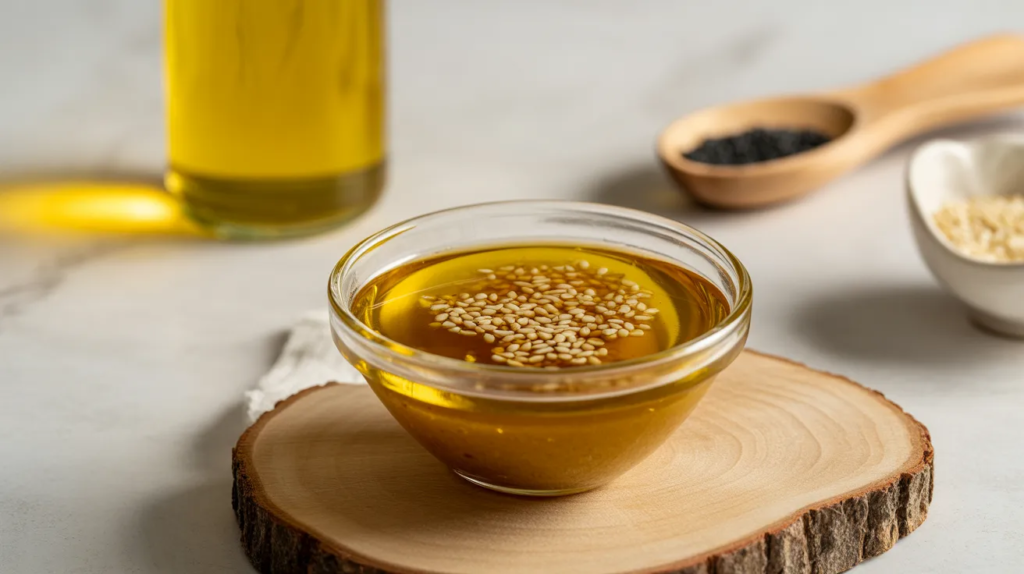
Use it on steamed broccoli, cucumber bowls, or a simple rice-and-veggie plate. It’s also delicious with salmon or tofu. Keep the sesame oil small—just enough to smell it. If it becomes too thick, warm water will fix the texture quickly and keep the dressing glossy.
15) Green Onion Turmeric Tahini (Savory + Fresh Bite)
Green onion gives a fresh savory bite without the sharpness of raw garlic. It’s a nice option for anti-inflammatory meals when you want flavor that’s gentle and easy on the stomach. Blend green onion into the dressing or finely slice and stir it in—both ways taste great.
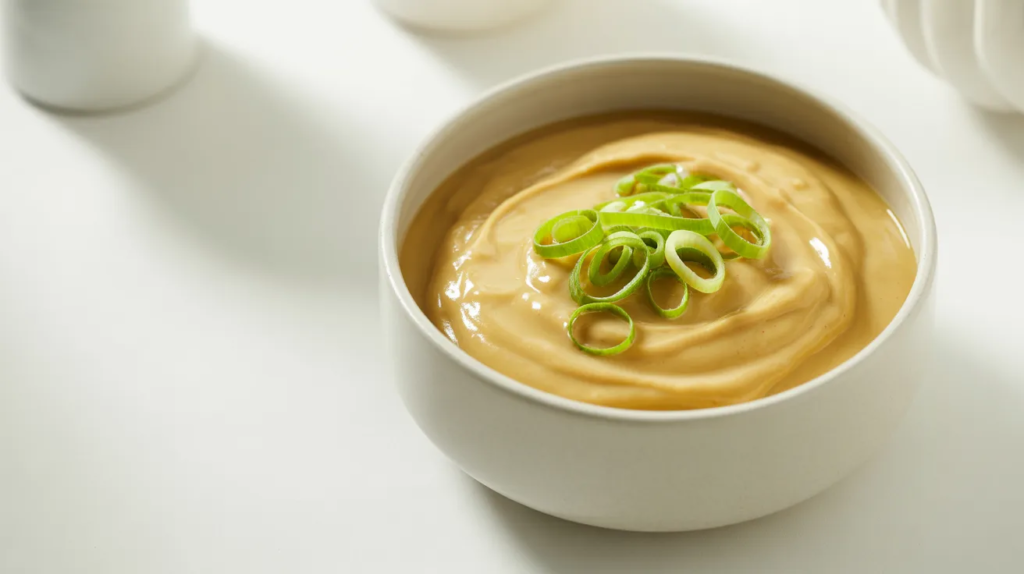
Try it on rice bowls with cucumber, carrots, and edamame. It also works on grilled chicken, baked fish, or roasted potatoes. If you blend it, the dressing turns slightly green-gold and looks beautiful on Pinterest. Add lemon to keep it bright and prevent it from tasting too “onion-forward.”
16) Beet Turmeric Tahini (Pink-Gold Glow)
Adding beet makes the dressing colorful and slightly sweet, while turmeric keeps it warm and earthy. It’s a fun Pinterest-friendly idea that still suits anti-inflammatory meals because it’s veggie-based and naturally bright. Use cooked beet (steamed or roasted) and blend until totally smooth.
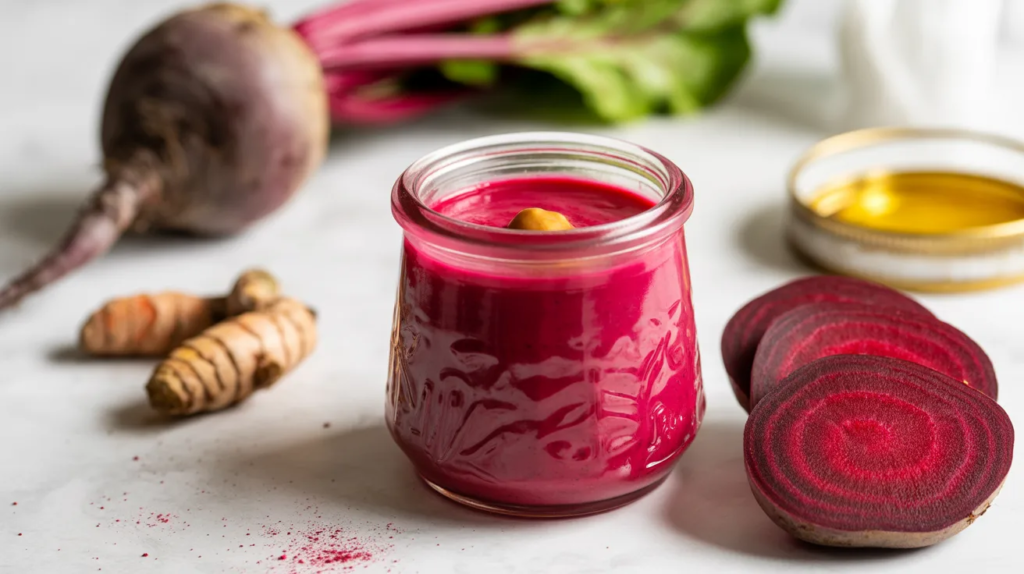
Drizzle it over spinach salads, grain bowls, or roasted carrots. It’s also nice with goat cheese alternatives or toasted nuts. If the beet flavor is strong, balance with lemon and a touch of maple. The color looks stunning in photos—especially when poured in a slow drizzle over white bowls.
17) Garlic-Free Turmeric Tahini (Low-FODMAP Friendly)
If garlic doesn’t suit you, this version keeps the flavor without it. Use lemon, turmeric, a pinch of cumin, and herbs for depth. It’s perfect for anti-inflammatory meals when you want something soothing and gentle. The goal is clean flavor: bright, creamy, and easy to digest.
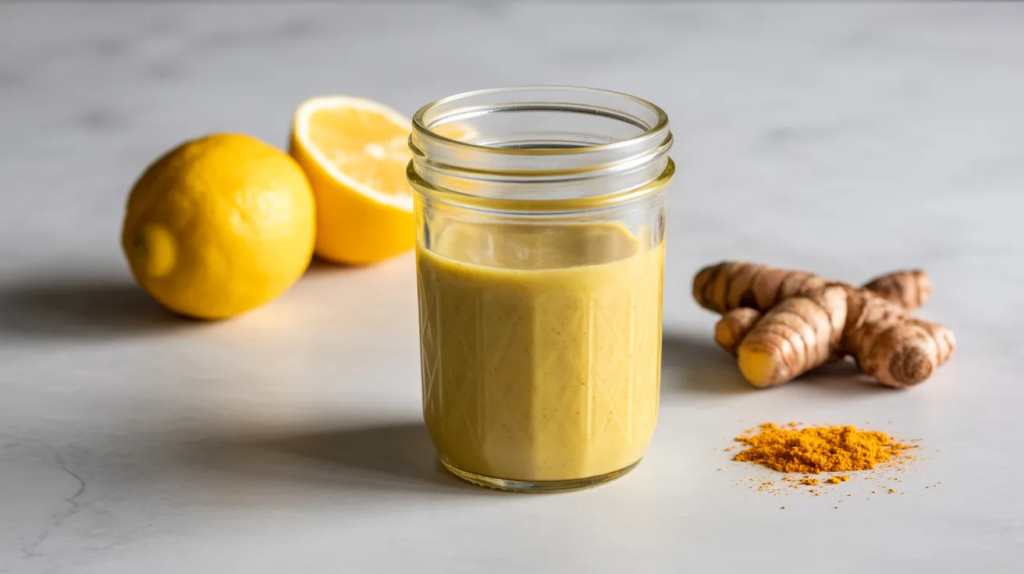
Use it on salads, roasted veggies, grilled chicken, or quinoa bowls. If you miss garlic, try adding a tiny pinch of asafoetida (hing) or extra herbs. Whisk well and let it rest for 5–10 minutes so the spices “settle,” making the taste smoother and less sharp.
18) Tahini Turmeric Dip-Style (Thick for Snack Plates)
Sometimes you want a dressing that doubles as a dip—especially for snack plates and meal prep. Make this one thicker by using less water and more tahini, so it becomes creamy and scoopable. It fits anti-inflammatory meals because it helps you eat more veggies in a fun, satisfying way.
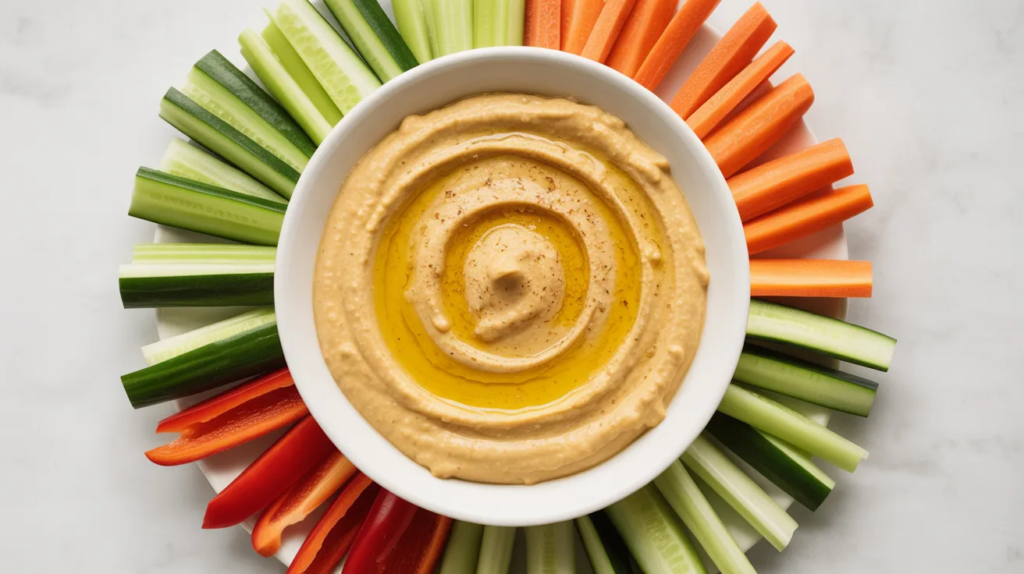
Serve it with cucumbers, carrots, bell peppers, or whole-grain crackers. It also works as a spread in sandwiches and wraps. If you need it pourable later, add water to half the batch and keep the rest as a dip. This gives you two uses from one simple recipe idea.
19) Honey Turmeric Tahini (Simple Crowd-Pleaser)
Honey brings a smooth sweetness that balances turmeric and tahini beautifully. It’s great for anti-inflammatory meals when you’re pairing the dressing with bitter greens or roasted veggies. Use a small amount—just enough to soften the edges—so the dressing still tastes fresh, not sugary.
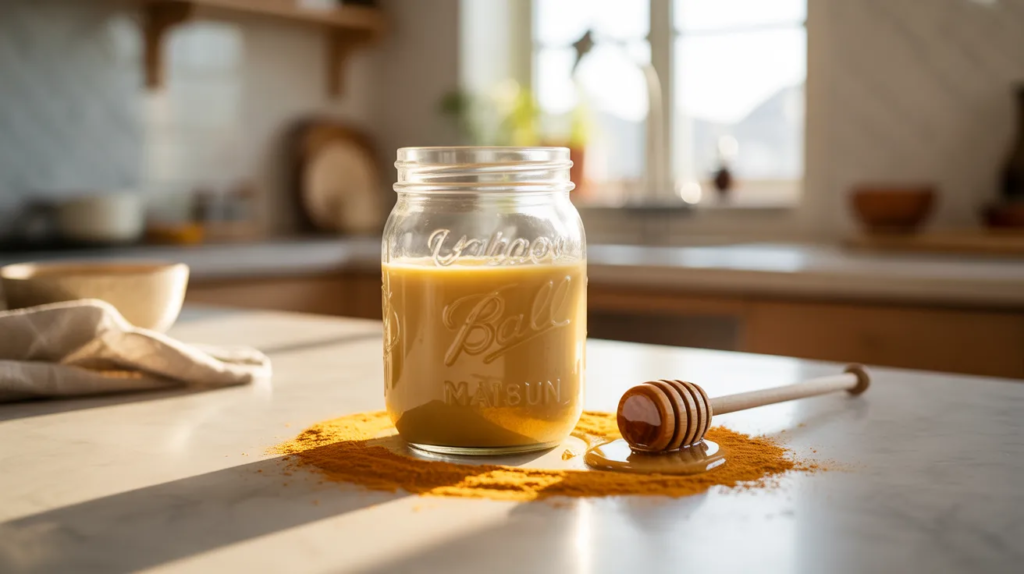
Try it on arugula salads, roasted broccoli, or a grain bowl with toasted seeds. It also works on chicken salads and wraps. If you prefer vegan, swap honey for maple. Add black pepper for depth, and always whisk long enough that honey fully dissolves into the dressing for a silky finish.
20) Tahini Turmeric “Caesar-Inspired” (No Dairy, No Anchovies)
This idea mimics Caesar vibes using tahini for creaminess, lemon for tang, mustard for bite, and turmeric for warmth. It’s a smart anti-inflammatory meal upgrade because it makes salad feel like comfort food, but the ingredients are simple and pantry-friendly. Add extra black pepper for a bold finish.
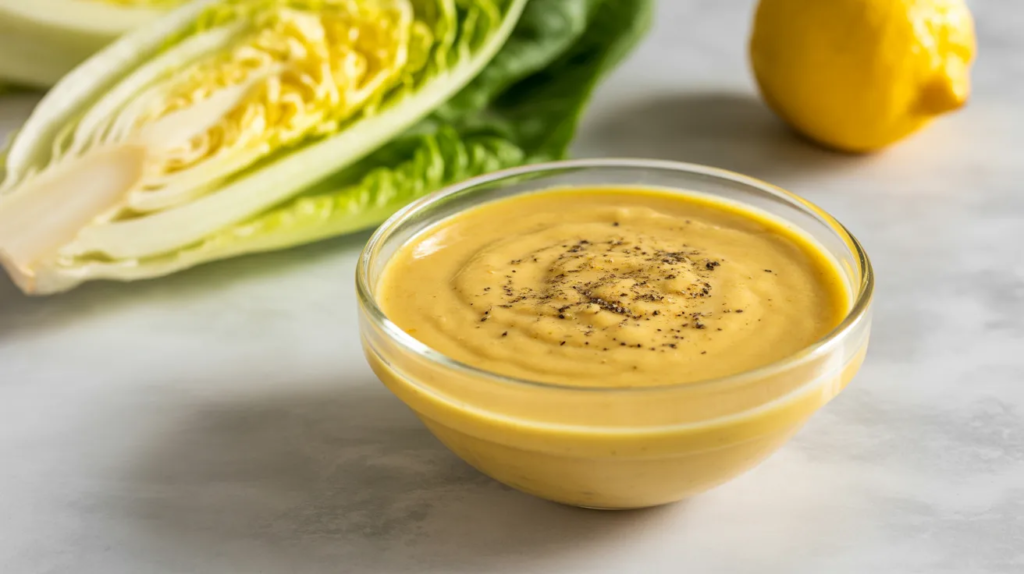
Drizzle it over romaine, crouton alternatives, and grilled chicken. It also works on roasted cauliflower “steaks.” If you want a more cheesy taste, add nutritional yeast. Keep the texture slightly thick so it clings to lettuce like Caesar dressing, and thin with water only if needed.
21) Smoky Paprika Turmeric Tahini (BBQ-Style Bowl Sauce)
Smoked paprika adds a BBQ-style twist that makes turmeric tahini feel bold and savory. It’s perfect for anti-inflammatory meals that include roasted veggies, beans, or chicken. The smokiness pairs beautifully with turmeric’s warmth and helps the dressing taste richer without adding heavy ingredients.
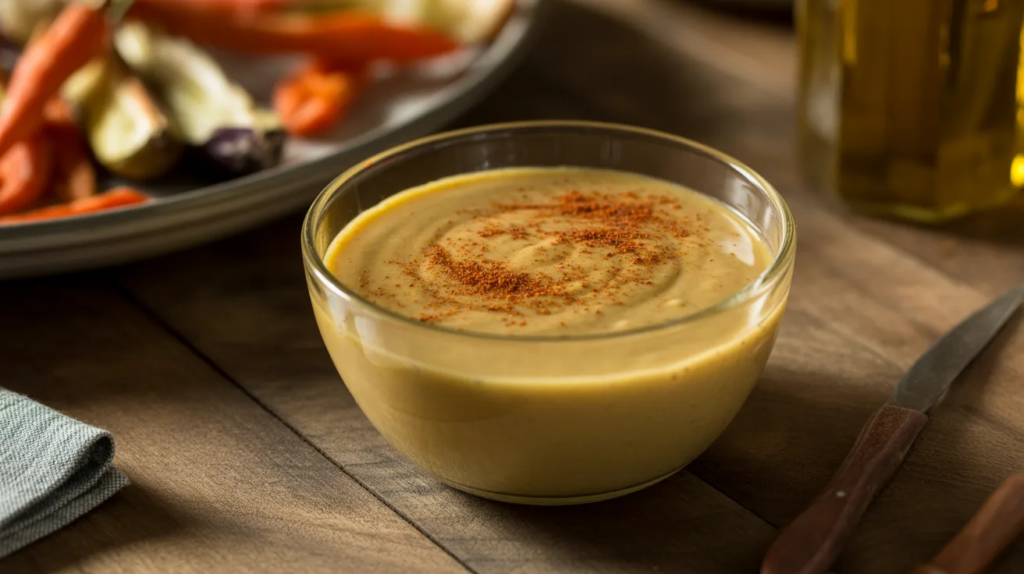
Use it on roasted sweet potatoes, black bean bowls, or grilled chicken salads. It also works on corn and avocado bowls. Add lemon to keep it balanced and bright. If you want it slightly sweet to match the smoky vibe, add a tiny spoon of maple syrup and whisk until silky.
22) Turmeric Tahini Meal-Prep Jar (Shake-and-Go Formula)
This idea is for speed: add tahini, turmeric, lemon, salt, pepper, and optional sweetener directly into a jar, then shake hard. It’s perfect for busy anti-inflammatory meals because you can make it in under 2 minutes and store it in the fridge. Use warm water to help it emulsify smoothly.
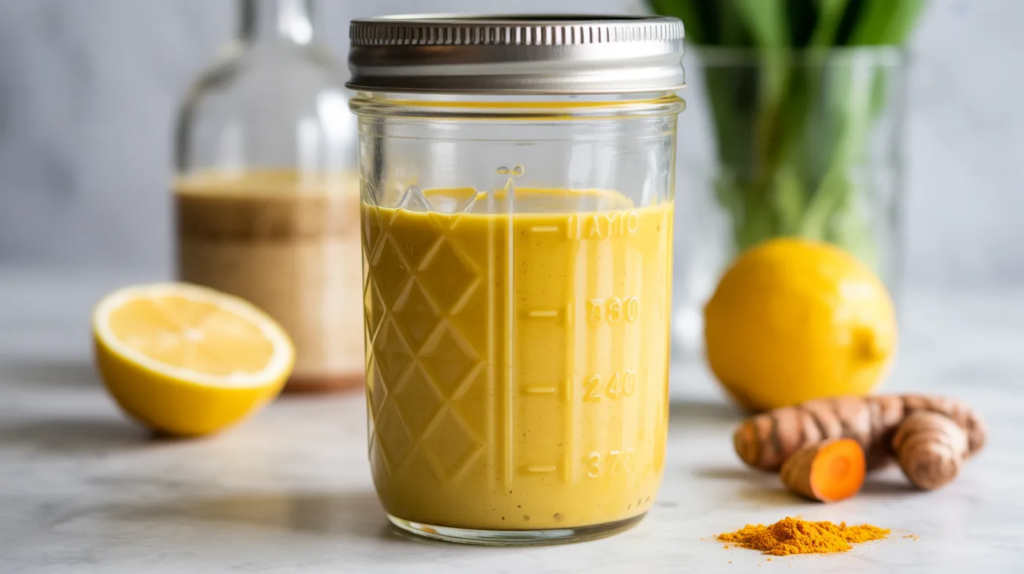
Keep it as your weekly “default sauce” for salads, bowls, roasted veggies, and wraps. Label the jar with the date and a quick note like “add water before using.” The next day it may thicken—just shake with a splash of water and it becomes creamy again, ready to pour.