

23 Ipsos iSay Review: How Much US Users Really Earn (23 Things to Try!)
1) Quick Snapshot: What Ipsos iSay Actually Is
Ipsos iSay is a rewards survey community where you answer market-research surveys and earn points that you can exchange for rewards like PayPal cash, gift cards, and prepaid options. On the official app listings, the core promise is simple: complete surveys, earn points, redeem rewards—mostly in small, practical amounts that fit “spare time” use. (Google Play)
The most important mindset shift is this: it’s not a job replacement, it’s a micro-earning side activity. Your results depend heavily on demographics, survey availability, and how consistent you are. If you treat it like “coffee money,” the experience feels much better than expecting big monthly income. That’s the lens this review uses for realistic US earnings.
2) The Real Pay Rate: Points → Dollars (US Example)
For US users, the rewards list commonly shows PayPal options like $5 PayPal for 525 points and $15 PayPal for 1,527 points, with larger cashouts like $25 for 2,545 and $50 for 5,090 points. (ipsosisay.com)
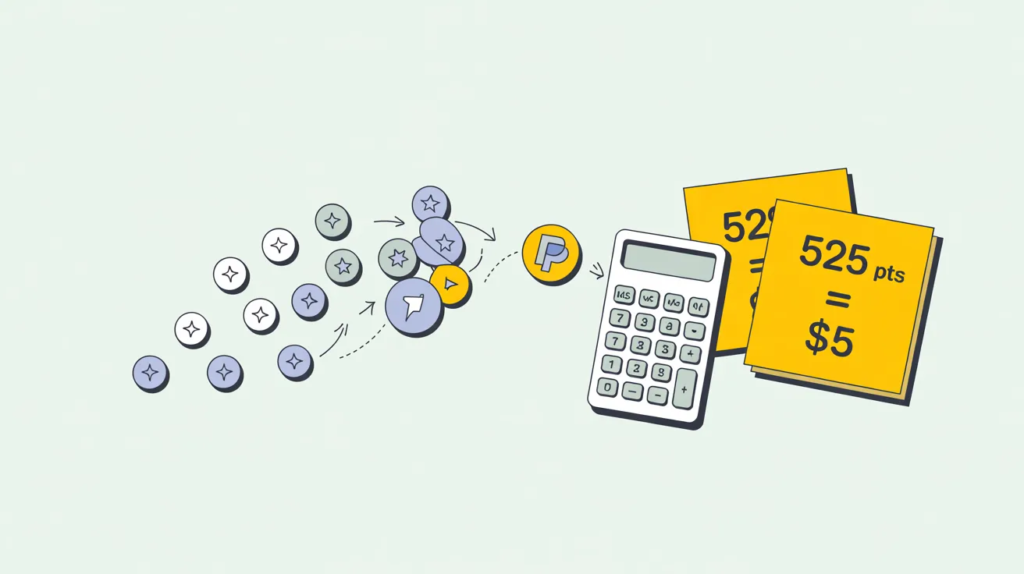
That means the “value per point” isn’t always a perfect 1¢; it varies by reward. Using the PayPal examples above, 525 points for $5 works out to about 0.95¢ per point (roughly $0.95 per 100 points). So when people say “100 points = $1,” treat that as a close estimate, not a guaranteed conversion for every reward option. (ipsosisay.com)
3) How Much You “Really Earn” in a Week (3 Scenarios)
A realistic way to estimate earnings is to plan by surveys completed, not hours spent. If you do 3–5 short surveys per week, you might reach a small reward every few weeks, depending on how many surveys you qualify for. Some reviews note that survey points can vary and that occasional higher-point surveys exist, but they’re not constant. (Well Kept Wallet)

Try this expectation ladder: Casual (a few surveys weekly) = slow but steady points; Regular (most days) = small monthly cashouts; Consistent (daily + quick response to invites) = faster progress. The key is that your “earnings” are often limited by eligibility and supply, not effort alone—so build a routine that’s easy to maintain and doesn’t feel frustrating.
4) The #1 Earnings Booster: Make Your Profile “Survey-Friendly”
Most survey apps match you to studies based on your profile details, so incomplete or outdated info can reduce invites. The iSay app highlights profile management as a core feature—keeping details accurate helps the system send you more relevant surveys. (App Store)
A good “try this” routine is a monthly profile refresh: update work status, shopping habits, household details, and devices you own. Don’t overthink it—just be consistent and truthful. Better matching usually means fewer disqualifications and more completed surveys, which is what actually moves your points balance. If you want faster earnings, profile accuracy is one of the few levers you can control.
5) Notifications Matter More Than You Think (Speed Wins)
Survey spots can fill quickly, so responding fast often increases completion rate. The iSay app description emphasizes instant notifications and mobile access so you can catch surveys early. (App Store)

Try this: turn on push notifications, then set two daily “check windows” (example: morning and evening). Even if you only have 10 minutes, completing one short survey consistently can beat waiting for a “perfect” long one that you may not qualify for. Speed also reduces the frustration of seeing invitations disappear, and it keeps your account active—both of which help your long-term monthly totals.
6) Screen-Outs: How They Affect Real Earnings
Screen-outs are normal in survey platforms because researchers need specific demographics. The frustrating part is that screen-outs consume time without adding points, which lowers your effective hourly rate. Many review-style pages describe points as dependent on survey length and eligibility, so consistency + matching is the game. (surveypolice.com)

Try a “smart pick” strategy: choose surveys that closely match your profile (topic and length you actually fit), and avoid rushing into everything. If you notice you screen out often on a certain category, skip it for a while and focus on the types you complete more reliably. Your goal is not “more attempts,” it’s “more completions,” because completions are what convert to PayPal or gift cards.
7) Quality Control: Why Honesty Protects Your Account
Survey platforms use consistency checks to spot random clicking. If your answers contradict across surveys or you speed unrealistically, you may get fewer invites or account issues. Even app-store reviewers often mention that demographics and consistency influence how many surveys you receive and whether things go smoothly. (App Store)

Try this rule: answer at a normal pace, read attention questions, and keep your story consistent (job, household, major purchases). Don’t “optimize” by guessing what pays more—research companies value reliable data, not perfect answers. Protecting your account is part of maximizing earnings, because losing access wipes out future survey opportunities entirely.
8) Mobile vs Desktop: Which One Pays Better?
Mobile is great for speed and catching quick surveys, while desktop can feel easier for long, detailed studies. The iSay app positions mobile as a way to access exclusive surveys and respond quickly on the go. (App Store)
Try a hybrid routine: use mobile for short surveys (5–10 minutes) and desktop for longer ones when you’re settled. This reduces fatigue and improves completion rates. If you only do one, mobile usually wins for consistency because you can fill small time gaps. But if your best-paying surveys are longer, desktop can improve your accuracy and comfort—both matter for maintaining steady invites.
9) PayPal vs Gift Cards: Pick the Best Value Option
Not all rewards convert points at the same rate. Using US PayPal examples, $5 for 525 points and $15 for 1,527 points show a slightly variable conversion, so it’s worth comparing options inside the catalog before redeeming. (ipsosisay.com)
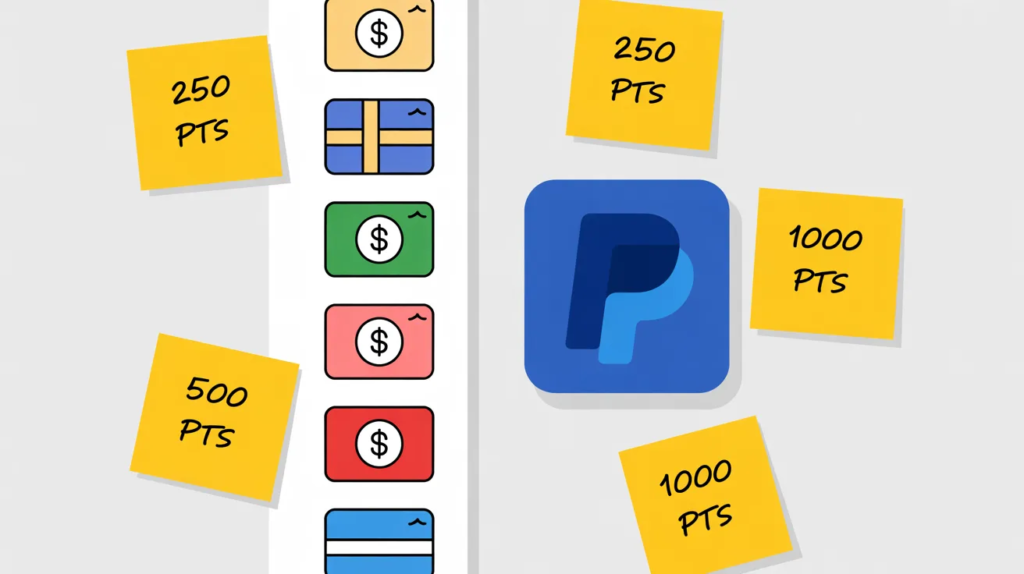
Try this: whenever you’re close to cashout, compare “points per dollar” across two or three rewards. Some users prefer PayPal for flexibility, while others pick gift cards if the points cost is better for their favorite store. Don’t assume the smallest cashout is always the best rate—sometimes mid-tier redemptions can be more efficient. A 30-second comparison can increase your long-term value without doing extra surveys.
10) “Instant PayPal” Claims: What to Expect
Ipsos iSay has publicly promoted updates in the US that include instant PayPal transfers (along with new reward options). (ipsosisay.com)
Try setting expectations like this: even if the platform supports instant transfers, real-world delivery can still depend on verification steps, correct PayPal details, and occasional processing delays. A simple best practice is to ensure the email on your iSay account matches the email on your PayPal, and to follow any redemption instructions carefully. Some app reviews also mention smoother redemptions when PayPal details are aligned, which is an easy win to avoid failed payouts. (App Store)
11) A Simple “Points Per Minute” Tracker (So You Don’t Burn Out)
To understand real earnings, track your own data for a week: survey length (minutes) and points earned. Even if points vary, your personal average will tell you what’s worth your time. Review sources commonly note that points depend on factors like survey length, which makes tracking especially useful. (surveypolice.com)

Try this quick formula: (points ÷ minutes) = points per minute, then convert points to dollars using a PayPal example like 525 points ≈ $5. (ipsosisay.com)
After 7 days, you’ll know which surveys are “keepers” and which are time sinks. This prevents the biggest survey-app problem: doing long, low-value surveys until you feel annoyed and quit. A small tracker keeps it realistic and sustainable.
12) The “Daily Micro-Sprint” Routine (10 Minutes)
If you want consistent earnings, build a tiny habit that doesn’t feel heavy. The iSay app is designed for “anywhere” participation, which makes micro-sprints practical. (App Store)

Try this: one 10-minute sprint daily (or 5 days a week). You open the app, attempt one survey, and stop—no scrolling for an hour. Over time, consistent completions usually beat random weekend marathons because you catch fresh invites and keep your account active. If you get screened out, you still stop and try again next sprint. This routine keeps your mental energy protected while still moving you toward that next PayPal or gift card redemption.
13) What Surveys Feel Like (So You Don’t Get Surprised)
Most surveys are structured like: screening questions → main questions (opinions, habits, brand choices) → wrap-up demographics. The app-store descriptions emphasize quick surveys you can do in spare time, which matches the typical experience for many users. (App Store)

Try preparing for patterns: you’ll see repeated topics (shopping, streaming, food, tech) and repeated formats (rating scales, multiple choice). The better you understand the pattern, the faster you complete surveys without rushing or making mistakes. That matters because your “real earnings” are a mix of speed + quality + eligibility. When you feel confident with the flow, you waste less time and your weekly points become more predictable.
14) Product Testing: The “High Value” Opportunity
Ipsos iSay also promotes opportunities like product testing (sometimes described as getting samples shipped and influencing products). (ipsosisay.com)

Try this mindset: surveys are the steady base, product tests are the bonus. You won’t get them constantly, but if you do, they can feel more rewarding than typical short surveys. To improve your chances, keep your profile accurate and respond quickly to invitations. Even if product tests aren’t frequent, knowing they exist helps you stay motivated—because they can make the platform feel less like “tiny points” and more like real participation with occasional bigger perks.
15) Redemption Checklist (Avoid Failed Cashouts)
Before redeeming, double-check: your account email, your PayPal email, and any redemption instructions. Some app reviews mention smoother PayPal delivery when the signup email matches the PayPal email used for receiving funds. (App Store)
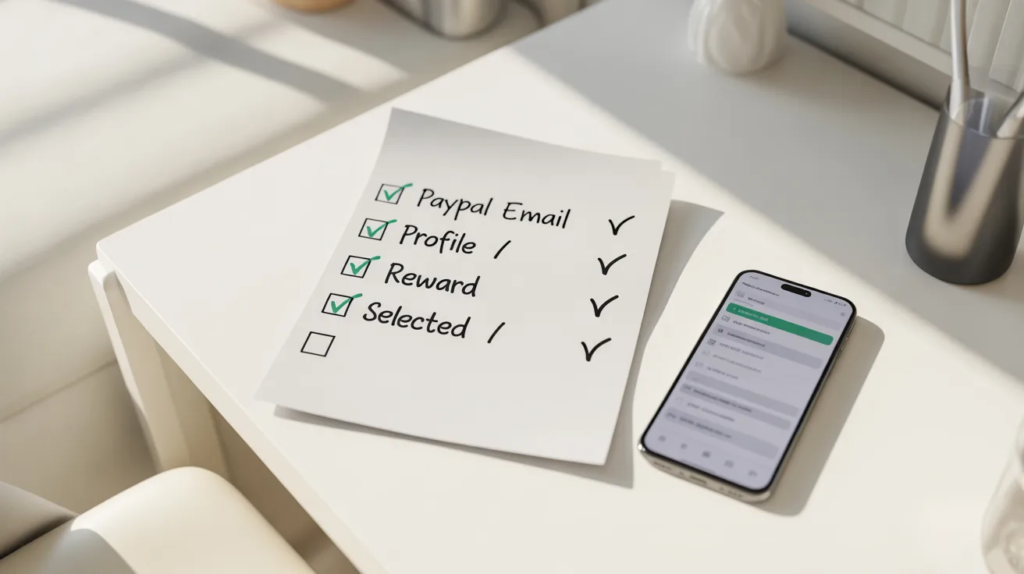
Try doing a small redemption first (like $5) so you can confirm your setup works, then scale up. US PayPal examples show smaller and larger cashout options, so you can pick a test redemption without waiting forever. (ipsosisay.com)
This “test cashout” approach reduces stress and prevents the worst-case scenario: earning points for weeks and then hitting a preventable payout issue.
16) Is It Legit? Use the “Who Runs It” Test
A simple legitimacy check is: who operates the platform? Ipsos is a long-running market research company founded in 1975, with a documented corporate history and global research presence. (Ipsos)

Try this: separate “legit” from “high paying.” A platform can be legitimate and still pay modest amounts because surveys are micro-tasks. If you’re deciding whether to invest time, focus on transparency (clear rewards, consistent redemptions, stable app presence) rather than hype. The official app-store and Google Play listings also reinforce that it’s a survey-for-rewards model, not a “get rich” system. (App Store)
17) Safety Tip: Protect Your Account Like It’s a Wallet
Even though earnings are small, your account still has value because points take time to build. Treat it like a wallet: use a strong password, don’t share logins, and avoid using public computers for redemptions. App-based survey accounts can be targeted simply because they connect to rewards and emails. (Google Play)

Try one practical habit: keep a note of redemption dates, amounts, and the email used. If anything goes wrong, having a clean record helps support resolve issues faster. This isn’t about fear—it’s about protecting your time investment. The easier you make it to verify your identity and activity, the smoother your cashouts usually feel.
18) Taxes: What US Users Should Know (Simple Version)
Survey rewards can be taxable income depending on your situation, and payment platforms may issue forms based on reporting rules. The IRS guidance explains Form 1099-K reporting rules for third-party payment networks, and PayPal’s help pages discuss when 1099-K may apply for goods/services payments. (IRS)

Try this low-stress approach: keep a simple log of rewards redeemed (date + amount + method). Even if you never receive a form, you’ll have clarity for your own records. And if you do receive one, you won’t be scrambling. Tax rules can be nuanced (and can change), so if you’re earning meaningful amounts across multiple apps, consider a quick check with a tax professional for your specific case. (IRS)
19) The “No Burnout” Rule: Stop After One Win
The biggest reason people quit survey apps is mental fatigue—scrolling too long, screening out repeatedly, and feeling like it’s “not worth it.” Since earnings depend on survey availability and qualification, the healthiest method is to stop after one completion (or one attempt) per session. (surveypolice.com)

Try this: set a hard cap (example: 15 minutes). If you complete a survey, great—stop and bank the win. If you screen out twice, stop anyway. This keeps your relationship with the app positive, which matters more than people admit. Consistency over weeks is what gets you to real cashouts, not one intense day of effort followed by a month of avoidance.
20) Realistic Monthly Goal: Aim for “One Reward” First
For beginners, the best goal is not “$100 a month,” it’s “my first redemption.” US PayPal examples show a small cashout level that’s achievable without obsessing, like $5 for 525 points. (ipsosisay.com)

Try setting a 30-day target: earn enough for one small reward, then decide if it fits your lifestyle. If you hit it comfortably, you can scale up your routine. If you struggle, that’s not failure—it just means your demographics or schedule aren’t giving you steady invites. Either way, the “one reward first” approach gives you a clear, realistic finish line and makes the experience feel rewarding instead of endless.
21) Combine Apps Carefully (Don’t Ruin Your Survey Quality)
Some people try multiple survey apps to increase earnings, but there’s a risk: rushing and giving inconsistent answers across platforms. Since survey systems use quality checks, speeding can backfire. (App Store)
Try a clean setup: pick one “main” app (iSay) and one backup app, and limit yourself to a short daily window. Your goal is to stay honest and consistent, not to chase every survey everywhere. When you protect quality, you protect long-term access—and long-term access is what creates real monthly payouts. If you find yourself tired, scale down. One steady app often beats three apps you barely use.
22) Who This App Is Best For (And Who Should Skip)
Ipsos iSay is best for people who can use small time gaps—commutes, waiting rooms, TV breaks—to do short surveys consistently. The official app descriptions emphasize “on the go” participation and quick access to surveys and rewards. (App Store)

You should probably skip it if you hate screening questions, need guaranteed hourly pay, or get frustrated easily by “sometimes there are no surveys.” Real earnings depend on availability and eligibility, so it’s not predictable like a job. But if you’re happy earning small, flexible rewards over time, it can be a solid option. Think: small wins, not big checks.
23) Final Verdict: A “Coffee Money” App With Realistic Limits
Based on the rewards structure shown for US PayPal redemptions (examples like $5 for 525 points and $15 for 1,527), the earnings are real—but modest—and best approached with realistic expectations. (ipsosisay.com)
Try this final strategy: focus on completion rate, keep your profile accurate, enable notifications, and aim for one redemption first. If you can reach a small cashout without stress, keep going. If it feels annoying, don’t force it—survey apps are highly personal based on demographics and patience. Used the right way, iSay can be a simple, legit “extra” that fits into spare time instead of taking over your day. (Ipsos)