
23 : Is the App Legit for US Users to Try?
1) Quick Verdict: Legit App, Not a Get-Rich Hack
Sweatcoin is legit in the sense that it’s a real, widely available walking app that tracks your movement and gives you an in-app currency you can spend in its marketplace. The realistic expectation for US users is “fun rewards and discounts,” not a steady paycheck. Most people earn slowly, and the best deals tend to be limited-time promos, trials, or shipping-based offers rather than instant cash. In the US, offers rotate often, so save coins until something fits your real routine.
If you like gamifying your steps, it can be motivating because you’ll check your progress the way you’d check a fitness streak. If you’re joining only to “cash out fast,” you’ll probably feel disappointed. Think of Sweatcoin as a bonus layer on top of your normal walking routine—small wins, occasional good deals, and a little extra push to take the long way home. Treat it like a coupon stacker: small perks add up when you’re already walking daily. Most users enjoy it more when they focus on motivation first and rewards second.
2) How Sweatcoin Works (And Why It Cares About “Verified” Steps)
Sweatcoin doesn’t just count steps—it tries to verify that steps are real walking, not phone-shaking. Their system validates movement through the app, and that verification is what converts steps into rewards. Outdoor walking tends to verify more consistently because location signals help confirm natural movement patterns. A university write-up even notes that outdoor steps are rewarded due to GPS-based verification designed to reduce cheating. (University of Warwick). If a deal needs a card for a trial, set a reminder to cancel so it stays budget-friendly.
For US users, the takeaway is simple: if you want better results, take real walks outside with your phone on you. If you mostly walk on a treadmill or your phone sits on a desk, you may see steps counted by your device but fewer “verified” steps converting. That gap is normal in this type of app, and it’s why two people with the same step count can earn different totals. Your results will vary by city, season, and how much you walk outdoors versus indoors.
3) The Step-to-Coin Math (So You Can Set Realistic Goals)
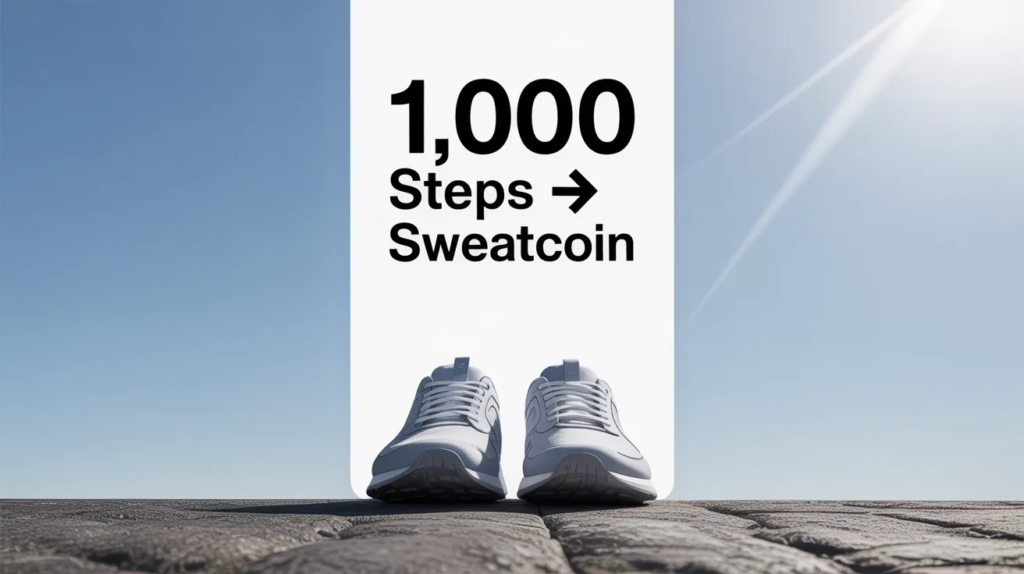
Sweatcoin’s own help center explains the core conversion: 1,000 verified steps convert to 1 sweatcoin, minus a 5% commission. That means 10,000 verified steps would earn about 9.5 sweatcoins, and your conversion may be less than 100% because the app discounts steps it can’t confidently verify. (help.sweatco.in). Aim for consistency, not perfection—verified steps tend to improve once your habits stabilize. Keep expectations realistic: it’s a slow-burn rewards app, not an instant-cash side hustle.
Use that math to plan: if you average 6,000 verified steps a day, you’re not suddenly stacking thousands of coins in a month. The app works best when you treat it like a long game—collect steadily, then redeem when a deal you actually want shows up. If you go in with “slow and steady” expectations, it feels fair; if you expect fast cash, it won’t. Always read terms before redeeming, because shipping, eligibility, and timing can change. In the US, offers rotate often, so save coins until something fits your real routine.
4) Why Your “Phone Steps” Don’t Always Match Your “Sweatcoin Steps”
It’s common to see one number on your phone’s health app and a smaller “verified” number in Sweatcoin. The app’s algorithm can discount steps that look like bumps, shakes, or non-walking motion, so the conversion rate won’t be perfect even on good days. Sweatcoin explicitly mentions that its detection can remove shakes and bumps, which is why verified conversion is never 100%. (help.sweatco.in). Treat it like a coupon stacker: small perks add up when you’re already walking daily.
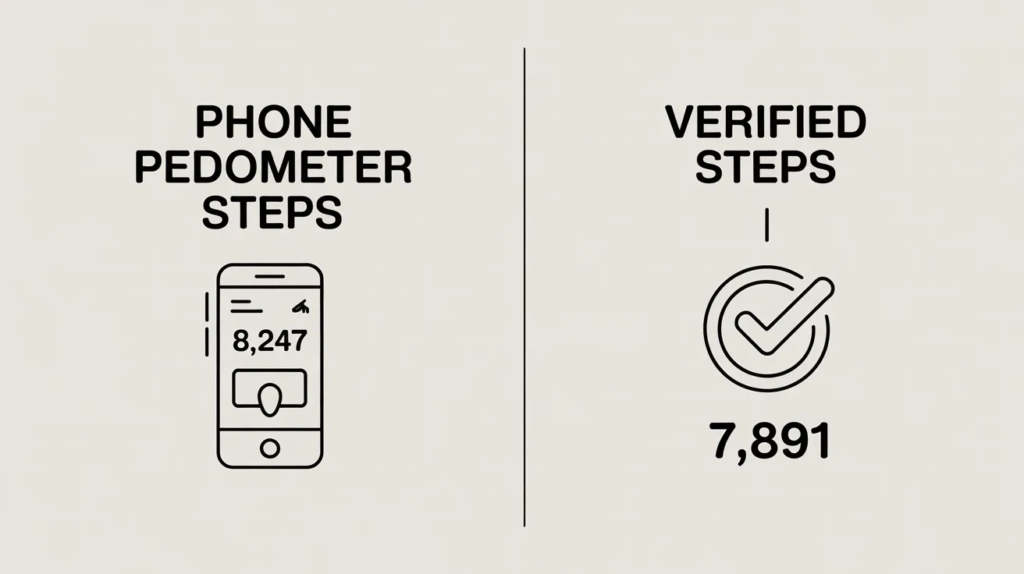
To improve the match, keep your phone in a pocket or bag that moves naturally while you walk, and avoid “step tricks” like swinging your arm or riding a bike with your phone bouncing. For US users who walk a lot in malls or airports, try mixing in an outdoor loop daily, because verification can be more reliable when the app can validate movement patterns with location context. Most users enjoy it more when they focus on motivation first and rewards second.
5) Sweatcoins vs $SWEAT: Two Different Things (Don’t Mix Them Up)
Sweatcoins are the in-app points you spend inside the Sweatcoin marketplace. $SWEAT is a separate crypto token connected to the broader “Sweat Economy,” and it has different rules for earning and using. Sweatcoin’s terms explain that to exchange Sweatcoins for Sweat Tokens, you need the separate Sweat Token app (Sweat Wallet) and a wallet account, and rates can change over time. (Sweatcoin). If a deal needs a card for a trial, set a reminder to cancel so it stays budget-friendly.
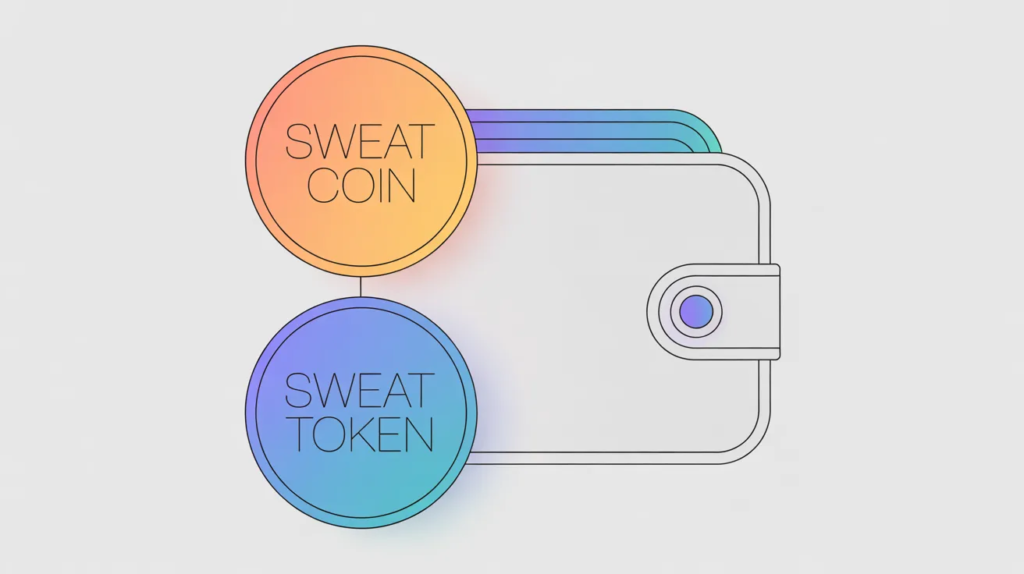
If you’re a US user who just wants simple rewards, you can ignore the crypto side entirely and still use the app. If you do opt into $SWEAT, treat it like any crypto: values fluctuate, fees can exist depending on what you do, and it’s not guaranteed “free money.” For most beginners, the clearest path is earning Sweatcoins and redeeming deals you actually want. Your results will vary by city, season, and how much you walk outdoors versus indoors. Aim for consistency, not perfection—verified steps tend to improve once your habits stabilize.
6) How Much $SWEAT Can You Earn (Free vs Premium Basics)
If you’re looking specifically at the crypto side, Sweatcoin’s help center says free users earn $SWEAT for steps between 3,000 and 10,000 per day, and premium users earn $SWEAT for steps between 3,000 and 20,000 per day. The same article notes you can still earn sweatcoins from steps in those daily ranges. (help.sweatco.in). Keep expectations realistic: it’s a slow-burn rewards app, not an instant-cash side hustle. Always read terms before redeeming, because shipping, eligibility, and timing can change.
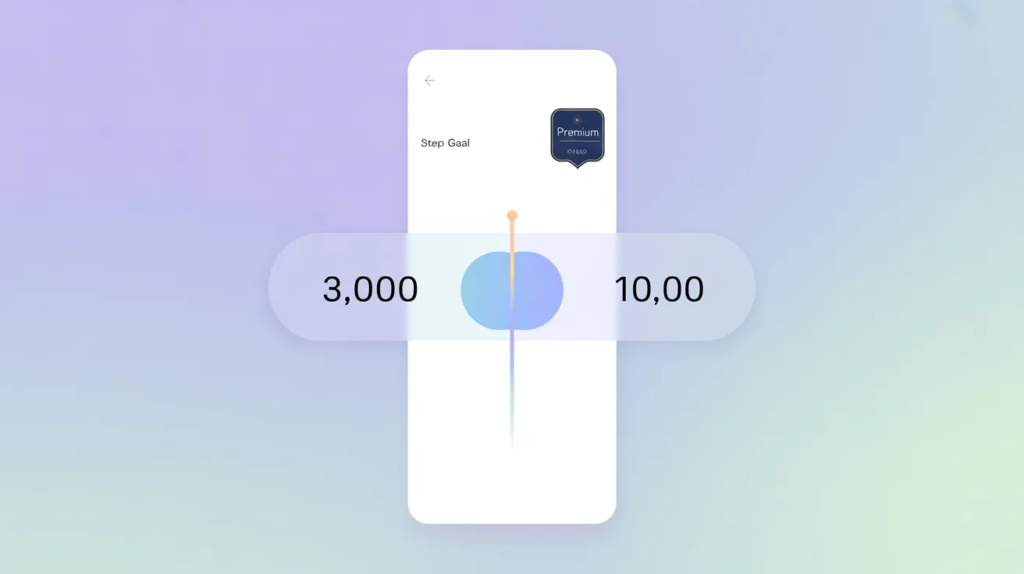
For US users, that means premium can help if you regularly walk a lot and want higher step coverage, but it only makes sense if you already hit those numbers. If your average day is below 10,000 steps, the premium won’t magically change your results. A better “budget” move is improving verification and consistency first, then deciding whether extra coverage is worth a subscription. In the US, offers rotate often, so save coins until something fits your real routine. Treat it like a coupon stacker: small perks add up when you’re already walking daily.
7) The Marketplace Reality Check (What You’ll Actually See)
Sweatcoin’s store is real, but the best way to describe it is “dynamic.” Rewards can include gadgets, subscriptions, and experiences, and the Google Play listing highlights redeeming for products and even donating to good causes. (Google Play) But in practice, many offers are promotional—free trials, discounts, or “pay postage” deals—rather than instant, no-strings freebies. Most users enjoy it more when they focus on motivation first and rewards second. If a deal needs a card for a trial, set a reminder to cancel so it stays budget-friendly.
A recent review in The Guardian points out that Sweatcoin’s marketplace often leans promotional, like trials or postage-based deals, and that the rewards may not feel immediate. (The Guardian) So the app feels most “worth it” when you enjoy browsing and waiting for a deal that fits your life. If you want guaranteed rewards on a fixed schedule, it may feel hit-or-miss. Your results will vary by city, season, and how much you walk outdoors versus indoors.
8) Can US Users Cash Out to PayPal?

Sometimes, Sweatcoin runs PayPal cash offers—so yes, cash-style rewards can exist. For example, Sweatcoin has listed a “$1,000 PayPal Cash” reward in its offers page (with a high coin cost), showing that PayPal redemption is part of their reward ecosystem at least at times. (Sweatcoin) The key word is “sometimes”: availability can change by day, country, and inventory. Aim for consistency, not perfection—verified steps tend to improve once your habits stabilize. Keep expectations realistic: it’s a slow-burn rewards app, not an instant-cash side hustle.
If you redeem a PayPal-style reward, pay attention to the fine print and your PayPal setup. Sweatcoin’s own promo FAQ notes that missing PayPal settings—like not confirming your email or not enabling USD—can delay seeing funds. (Sweatcoin) Bottom line: possible, but you should treat PayPal offers as rare “big goals,” not your default plan. Always read terms before redeeming, because shipping, eligibility, and timing can change. In the US, offers rotate often, so save coins until something fits your real routine.
9) How Long Big Rewards Really Take (A Real Example)
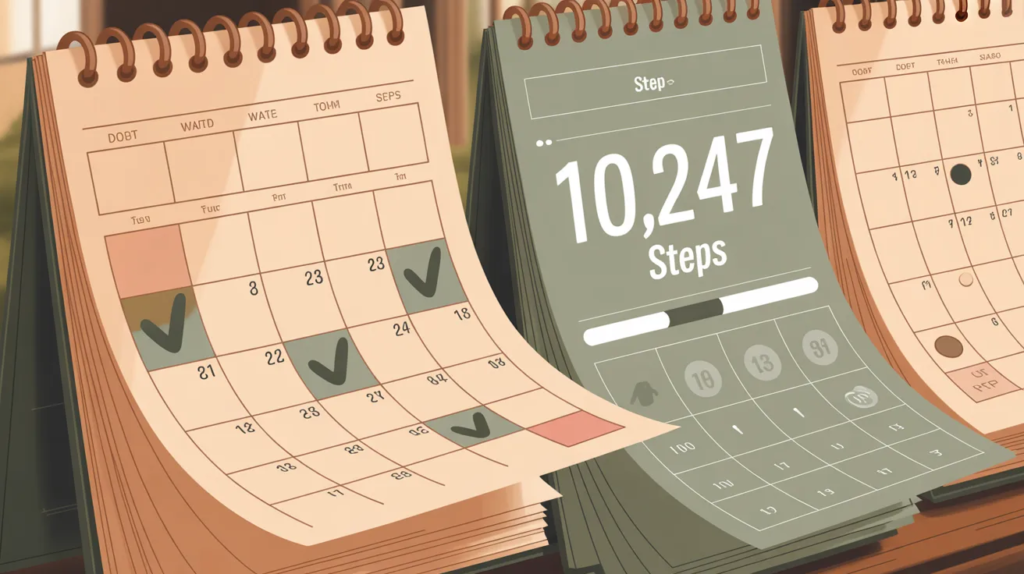
The biggest rewards are designed to be long-term. On Sweatcoin’s own “$1,000 PayPal Cash” offer page, the reward costs 20,000 sweatcoins and is described as “earnable with 18 months of steps.” (Sweatcoin) That framing tells you exactly how the app expects most users to play: steady walking over many months, not quick payouts. Treat it like a coupon stacker: small perks add up when you’re already walking daily. Most users enjoy it more when they focus on motivation first and rewards second.
For US users, this is where expectations matter most. If you’re already walking daily, letting coins accumulate in the background can make these goals feel fun. If you’re trying to “walk your way to rent money,” it’s not realistic. A smarter approach is setting a smaller target—like a gift card, discount, or donation—so you feel rewarded sooner and stay motivated. If a deal needs a card for a trial, set a reminder to cancel so it stays budget-friendly.
10) The “Pay Postage” Trap (How to Avoid Surprise Costs)
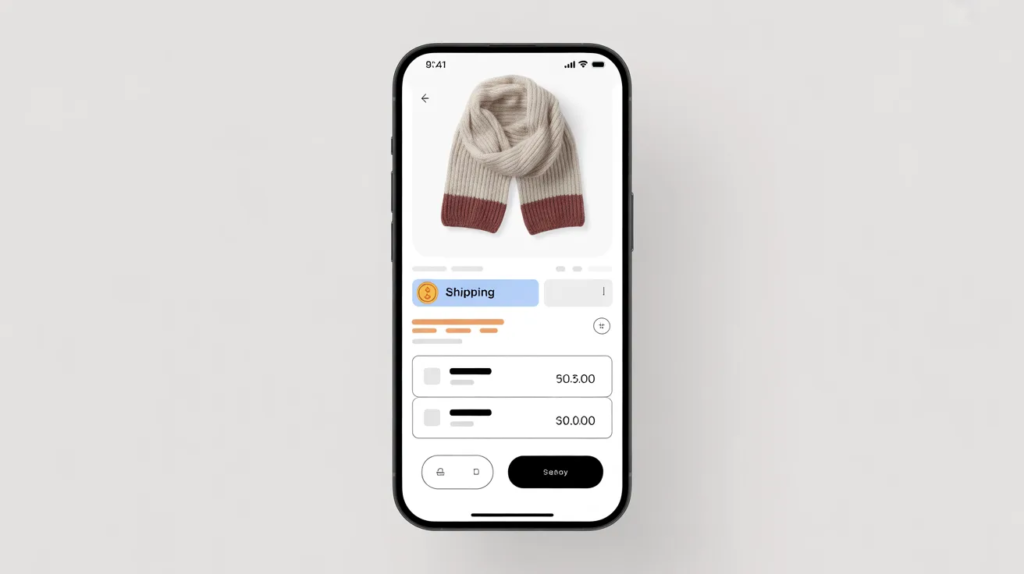
Many Sweatcoin deals look free at first glance, but the catch is often shipping, trial auto-renewal, or limited eligibility. The Guardian specifically mentions offers that were free trials or required covering postage, which can be fine—as long as you expect it. (The Guardian) For US users, shipping costs can vary a lot, so always click through before you spend coins. Your results will vary by city, season, and how much you walk outdoors versus indoors. Aim for consistency, not perfection—verified steps tend to improve once your habits stabilize.
Use a simple checklist: total out-of-pocket cost, whether you must subscribe, and whether cancellation is easy. If an offer requires a credit card for a trial, set a reminder to cancel, or skip it if you hate admin. Sweatcoin can still be “worth it” when you treat coins like coupons, but it feels scammy when you assume every offer is truly free. Keep expectations realistic: it’s a slow-burn rewards app, not an instant-cash side hustle. Always read terms before redeeming, because shipping, eligibility, and timing can change.
11) Best “Easy Wins” in the App (Good Starter Redemptions)

For most US users, the best first redemptions are digital: free trials, percent-off codes, and small discounts you’d actually use. These usually cost fewer coins, so you learn the redemption flow without waiting months. The Guardian’s month-long test mentioned redeeming multiple trials and discounts, which is a good example of what early wins can look like. (The Guardian). In the US, offers rotate often, so save coins until something fits your real routine. Treat it like a coupon stacker: small perks add up when you’re already walking daily.
The key is matching offers to your life. If you never use meal kits, don’t “waste” coins on a meal kit coupon just because it’s available. Aim for one category you already buy—fitness, audio, wellness, or shopping—then save coins for the best deal in that lane. Treat it like strategic couponing powered by your steps. Most users enjoy it more when they focus on motivation first and rewards second. If a deal needs a card for a trial, set a reminder to cancel so it stays budget-friendly.
12) Should You Watch Ads for Extra Coins?
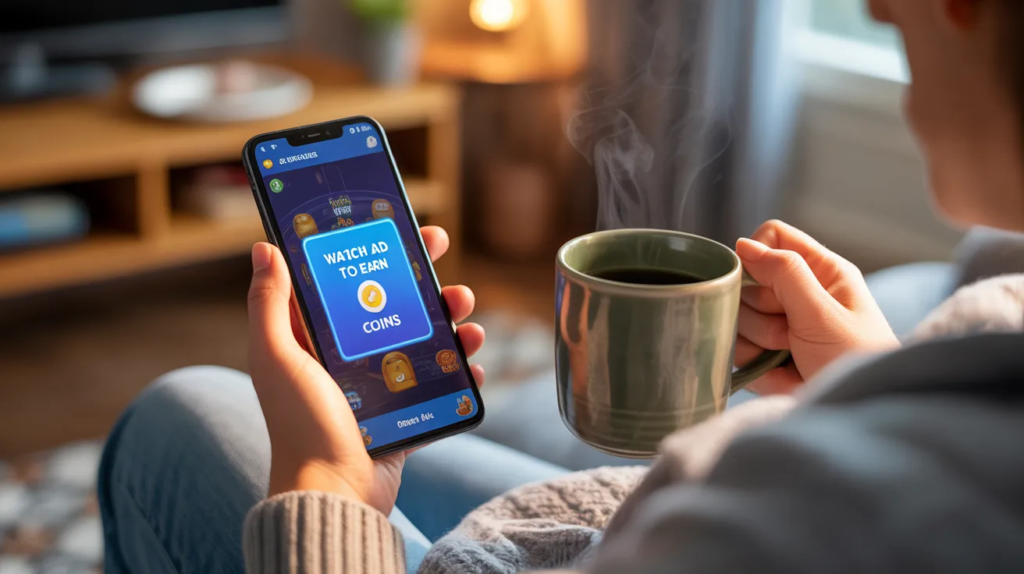
Some users boost earnings by watching ads or doing daily in-app actions. The Guardian notes that users can earn daily rewards by watching advertisements, which can add coins if you build a routine. (The Guardian) Whether it’s worth it depends on your tolerance for ads and how much you value your time. Your results will vary by city, season, and how much you walk outdoors versus indoors. Aim for consistency, not perfection—verified steps tend to improve once your habits stabilize.
A practical US approach: only watch ads if you’re already idle (waiting for laundry, commuting, or winding down) and you have a clear redemption goal. If ads feel annoying, skip them and let the app run passively. Sweatcoin works best when it feels “almost effortless.” If the app becomes a daily chore, the small extra coins rarely outweigh the friction. Keep expectations realistic: it’s a slow-burn rewards app, not an instant-cash side hustle. Always read terms before redeeming, because shipping, eligibility, and timing can change.
13) Referral Links and the Influencer Program (What’s Realistic)
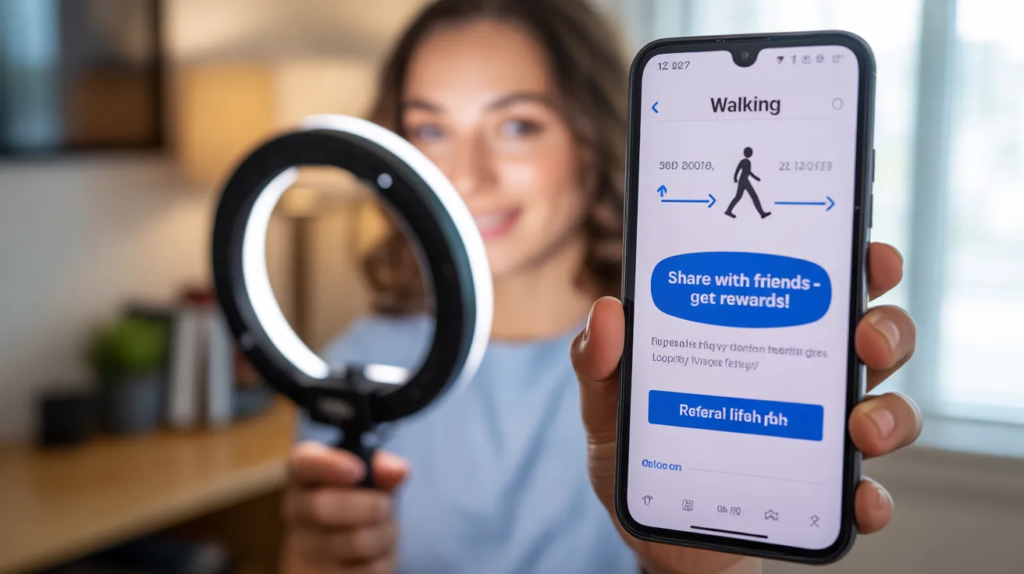
Sweatcoin does have structured referral-style programs, including a promotion site that describes an “Influencer Program” for users who invite a certain number of new, unique users. Their promo terms describe an influencer as a registered user who successfully invited at least 20 new users using a referral link. (Sweatcoin) That’s more than casual “tell a friend,” so it’s only useful if you actually have an audience. In the US, offers rotate often, so save coins until something fits your real routine.
For regular US users, referrals are best treated as a bonus, not the main plan. Share your link with close friends who genuinely want the app, and don’t spam strangers. If you’re a creator, referrals can make Sweatcoin feel more rewarding, but it’s still not guaranteed income. Always read current program terms before you build content around it. Treat it like a coupon stacker: small perks add up when you’re already walking daily. Most users enjoy it more when they focus on motivation first and rewards second.
14) Step Verification Tips That Actually Help
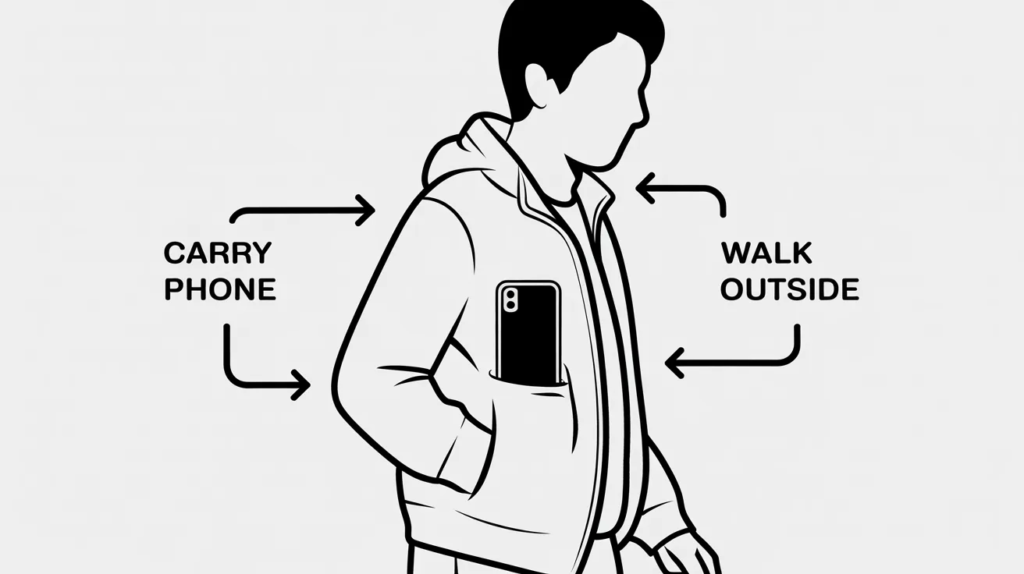
If you want more verified steps, focus on boring basics: walk outside, carry your phone, and keep the app permissions enabled. GPS-based validation is a big part of fraud prevention in step-to-reward apps, and outdoor walks tend to verify more reliably. (University of Warwick) Short “errand walks” count—walk to the coffee shop, do a ten-minute loop after lunch, or take calls while strolling. If a deal needs a card for a trial, set a reminder to cancel so it stays budget-friendly.
Also, avoid activities that confuse verification: biking with the phone bouncing, riding in a car, or shaking the device. If you use an Apple Watch, make sure your setup is supported and consistent with how the app verifies steps. The goal isn’t hacking; it’s making your normal movement easier to validate. Verified consistency beats occasional huge step days. Your results will vary by city, season, and how much you walk outdoors versus indoors. Aim for consistency, not perfection—verified steps tend to improve once your habits stabilize.
15) A Simple US “Earn Steady” Routine (No Gym Required)
If you want Sweatcoin to feel rewarding, build a repeatable routine instead of chasing random step spikes. A good target is one short walk in the morning, one midday loop, and a quick evening stroll—small sessions that add up. For the crypto side, remember free users earn $SWEAT in the 3,000–10,000 step window, so consistency matters more than a once-a-week marathon. (help.sweatco.in). Keep expectations realistic: it’s a slow-burn rewards app, not an instant-cash side hustle.
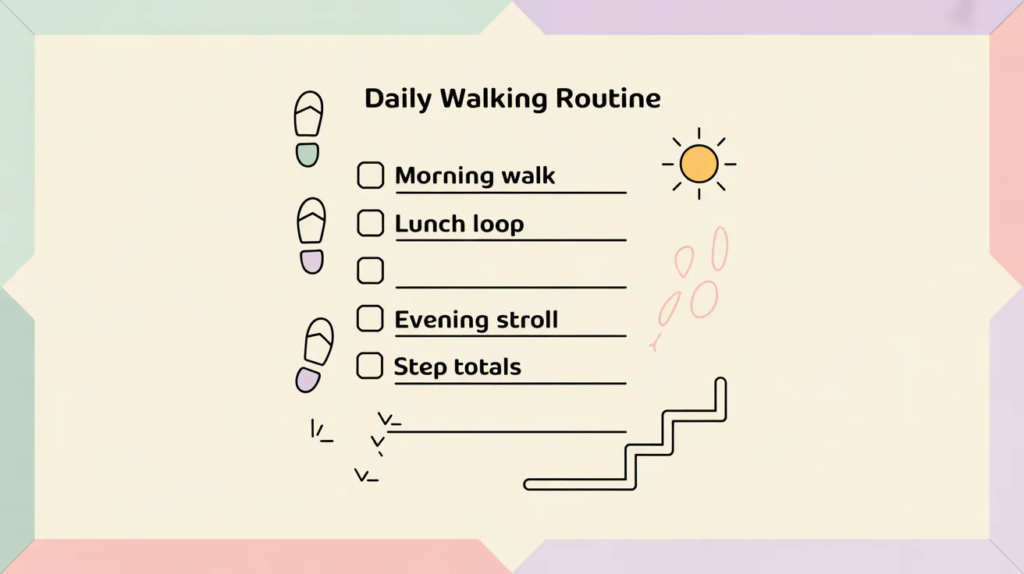
Make it frictionless: park farther away, take stairs for two floors, and do one “scenic block” before you go home. You’ll earn coins from steps you’re already doing, and you’ll avoid burnout. This routine also makes the app feel like a wellness habit, not a hustle. The best budget apps are the ones you forget about until you check in. Always read terms before redeeming, because shipping, eligibility, and timing can change. In the US, offers rotate often, so save coins until something fits your real routine.
16) What “Legit” Looks Like: Signs It’s Real (And What Isn’t)
A legit rewards app usually has clear app store listings, published terms, and a visible marketplace with real partners. Sweatcoin appears on major app stores and describes redeeming coins for products, experiences, and donations. (Google Play) It also publishes terms and privacy documents, which is a basic trust signal for any US user evaluating an app. Treat it like a coupon stacker: small perks add up when you’re already walking daily. Most users enjoy it more when they focus on motivation first and rewards second.
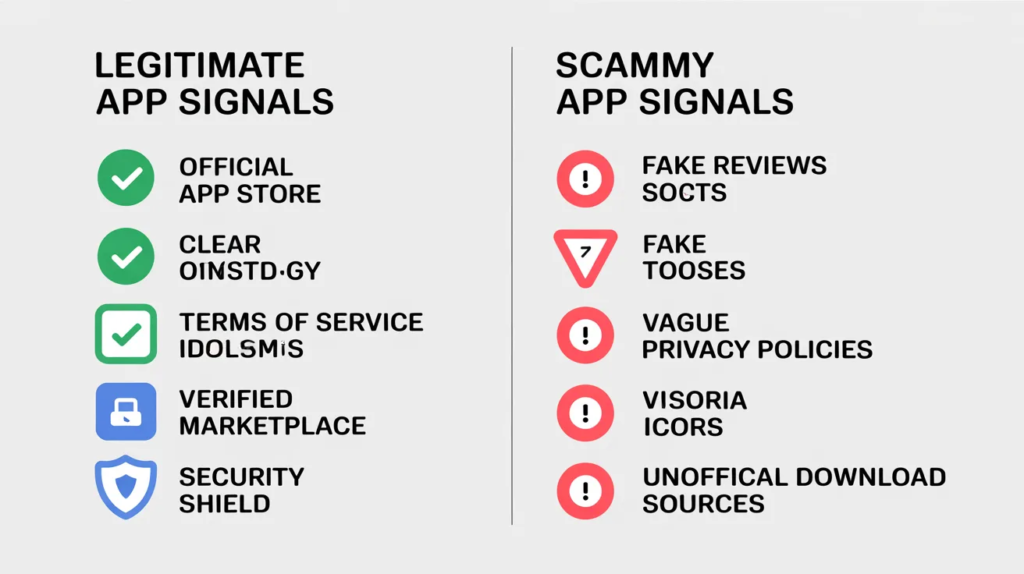
What isn’t legit are unrealistic promises, like “earn $500 a week just by walking,” or pressure to pay money up front for guaranteed returns. Sweatcoin rewards are variable and often promotional, not guaranteed cash. (The Guardian) If you keep your expectations grounded and never pay a stranger for “boosts” or “cash-out hacks,” you’ll avoid the real scammy corners that swirl around popular apps. If a deal needs a card for a trial, set a reminder to cancel so it stays budget-friendly.
17) Privacy in Plain English (What You’re Trading)
Sweatcoin’s value comes from verifying movement, which often requires motion and location signals. That means you should think about privacy as part of the “cost.” The Guardian notes concerns that apps like Sweatcoin may collect personal and location data, and it highlights that some data could be used for ad targeting. (The Guardian) Sweatcoin also publishes a privacy policy describing how data is stored and processed. (Sweatcoin). Your results will vary by city, season, and how much you walk outdoors versus indoors.
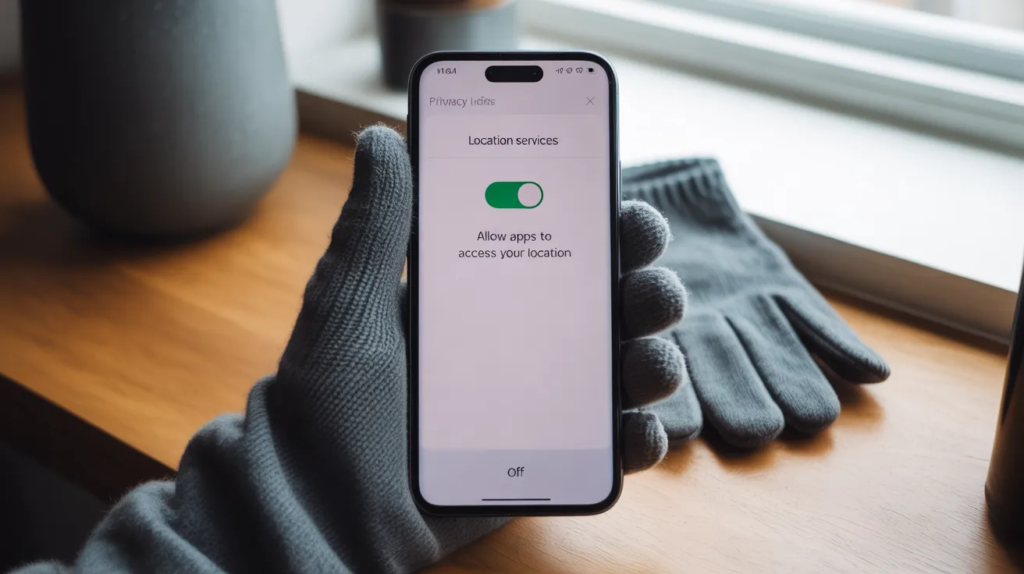
For US users who care about privacy, use basic controls: limit background location if the app allows it without breaking verification, don’t connect unnecessary permissions, and keep your account information minimal. If you’re not comfortable sharing movement patterns at all, skip move-to-earn apps entirely. The right choice depends on your comfort level, not just the reward value. Aim for consistency, not perfection—verified steps tend to improve once your habits stabilize. Keep expectations realistic: it’s a slow-burn rewards app, not an instant-cash side hustle.
18) Common US User Problems (And Quick Fixes)
The most common complaint is “my steps count, but my coins don’t.” Usually it’s a permission or background issue: location off, motion permissions disabled, or aggressive battery optimization stopping the app. Because verification depends on the app running and validating movement, small settings changes can make a big difference. GPS-based verification is also a reason outdoor walking can perform better than indoor-only movement. (University of Warwick). Always read terms before redeeming, because shipping, eligibility, and timing can change.
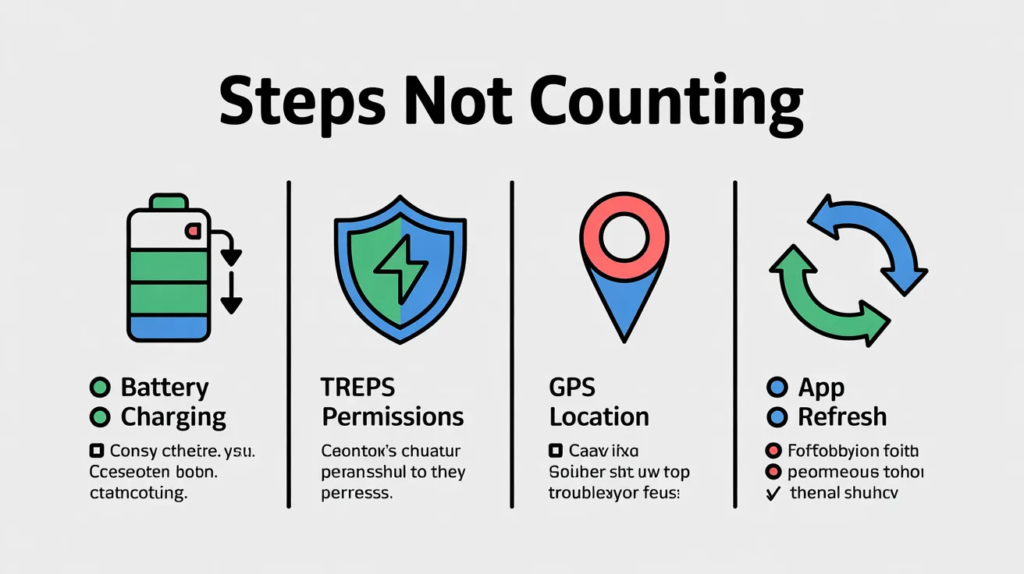
Start with basics: update the app, allow motion/fitness permissions, and enable the right location setting recommended by the app. Then test with a ten-minute outdoor walk and compare verified steps. If you’re new, give it a few days to stabilize—some verification systems are stricter at first. If it still fails, contact support before assuming anything shady. In the US, offers rotate often, so save coins until something fits your real routine. Treat it like a coupon stacker: small perks add up when you’re already walking daily.
19) Is Premium Worth It for US Users?
Premium only makes sense when it matches your real walking habits. Sweatcoin’s help center says premium expands the $SWEAT earning window up to 20,000 steps per day (vs 10,000 for free), which can help very active users. (help.sweatco.in) If you usually hit 6,000–9,000 steps, the premium likely won’t change your life because you already sit inside the free range. Most users enjoy it more when they focus on motivation first and rewards second. If a deal needs a card for a trial, set a reminder to cancel so it stays budget-friendly.
Try the free plan first for at least two weeks. Track how many verified steps you typically get, and what kinds of marketplace offers appear for your US account. If you regularly max out the free range and you see rewards you truly want, premium might be worth experimenting with. If not, keep it free and treat it as a passive bonus. Your results will vary by city, season, and how much you walk outdoors versus indoors. Aim for consistency, not perfection—verified steps tend to improve once your habits stabilize.
20) What Sweatcoin Is Best For (The “Right User”)
Sweatcoin is best for US users who already walk: commuters, students, city explorers, dog walkers, and anyone who likes daily step goals. If you naturally rack up outdoor steps, the app can feel like a small reward layer on top of your routine. Even if you only redeem occasional discounts, it still adds a bit of motivation to choose walking over scrolling. Keep expectations realistic: it’s a slow-burn rewards app, not an instant-cash side hustle. Always read terms before redeeming, because shipping, eligibility, and timing can change.

It’s also great for “challenge people”—the ones who love streaks, daily check-ins, and progress bars. The app’s marketplace changes, and the rewards may not be immediate, so it helps if you enjoy collecting and waiting. Think of it like a loyalty program powered by movement. If you like the gamified vibe, it’s a fun add-on. In the US, offers rotate often, so save coins until something fits your real routine. Treat it like a coupon stacker: small perks add up when you’re already walking daily.
21) Who Should Skip It (So You Don’t Waste Time)
”
You should probably skip Sweatcoin if you’re expecting quick cash, if you rarely walk outdoors, or if you dislike promo-style rewards. A major review noted many offers are promotional trials or postage deals, which can feel like a hassle if you want simple, guaranteed payouts. (The Guardian) If your routine is mostly treadmill steps, you may also feel frustrated by verification differences. Most users enjoy it more when they focus on motivation first and rewards second. If a deal needs a card for a trial, set a reminder to cancel so it stays budget-friendly.

Privacy-sensitive users may also decide it’s not worth it, because move-to-earn systems often rely on location and movement data to validate activity. (The Guardian) If sharing that data feels uncomfortable, your best “budget” move is deleting the app and choosing a different motivation strategy. Not every rewards program is a good match, and that’s okay. Your results will vary by city, season, and how much you walk outdoors versus indoors. Aim for consistency, not perfection—verified steps tend to improve once your habits stabilize.
22) How to Redeem Smarter (So Coins Don’t Sit Forever)
The biggest mistake is collecting coins with no plan—then feeling like the app is pointless. Pick one goal and aim for it: a discount you’ll use, a gift card, or a donation. Sweatcoin’s marketplace can include a wide mix, from products to charity options, so having a target helps you ignore clutter and wait for the right deal. (Google Play). Keep expectations realistic: it’s a slow-burn rewards app, not an instant-cash side hustle. Always read terms before redeeming, because shipping, eligibility, and timing can change.
Also, check the “real cost” before redeeming: shipping, trials, and cancellation rules. If a deal costs you money you wouldn’t otherwise spend, it might not be a deal at all. When an offer feels genuinely helpful, redeem quickly because inventory and terms can change. Smart redemptions are what make the app feel legit and satisfying, especially for US users. In the US, offers rotate often, so save coins until something fits your real routine. Treat it like a coupon stacker: small perks add up when you’re already walking daily.
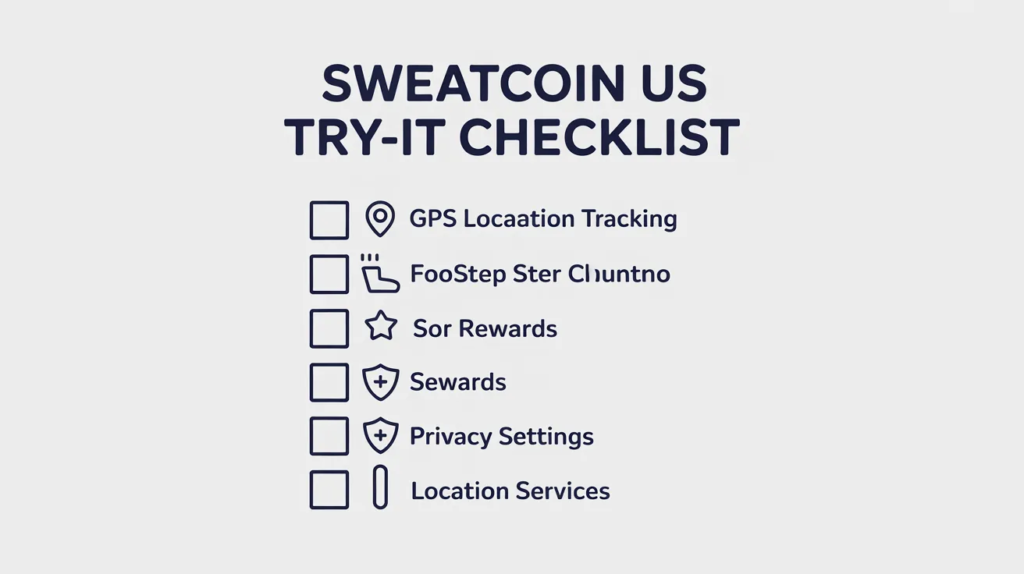
23) Final Checklist: Try It Safely in the US
If you want to test Sweatcoin without regret, keep it simple: use the free plan first, walk outside daily, and judge the app by the rewards you actually redeem—not by the biggest flashy offers. Remember the basic math (1,000 verified steps ≈ 1 sweatcoin minus commission) and expect verification to be less than perfect. (help.sweatco.in) When you see a deal, read terms before spending coins. Most users enjoy it more when they focus on motivation first and rewards second.
For legitimacy: it’s a real app with a real marketplace, but rewards are often promotional and slow to build, so it’s “legit” in function, not magic in payout. (The Guardian) If it motivates you to walk more, it’s a win. If it stresses you out, delete it and move on—your time is worth more than extra coins. If a deal needs a card for a trial, set a reminder to cancel so it stays budget-friendly. Your results will vary by city, season, and how much you walk outdoors versus indoors.