21 Entryway Corridor Decoration Ideas for Your Home
Intro: The entryway corridor is the first space guests notice when entering your home, making it essential to create a stylish and welcoming impression. Thoughtful decoration can transform a narrow or overlooked area into a functional and visually appealing passage. From lighting and artwork to mirrors and greenery, these 21 entryway corridor decoration ideas showcase…
Intro:
The entryway corridor is the first space guests notice when entering your home, making it essential to create a stylish and welcoming impression. Thoughtful decoration can transform a narrow or overlooked area into a functional and visually appealing passage. From lighting and artwork to mirrors and greenery, these 21 entryway corridor decoration ideas showcase ways to combine aesthetics with practicality. By using furniture, décor, and clever design tricks, you can make your corridor feel spacious, organized, and inviting, leaving a lasting impression while enhancing the overall flow and functionality of your home.
1 Console Table with Decorative Accents
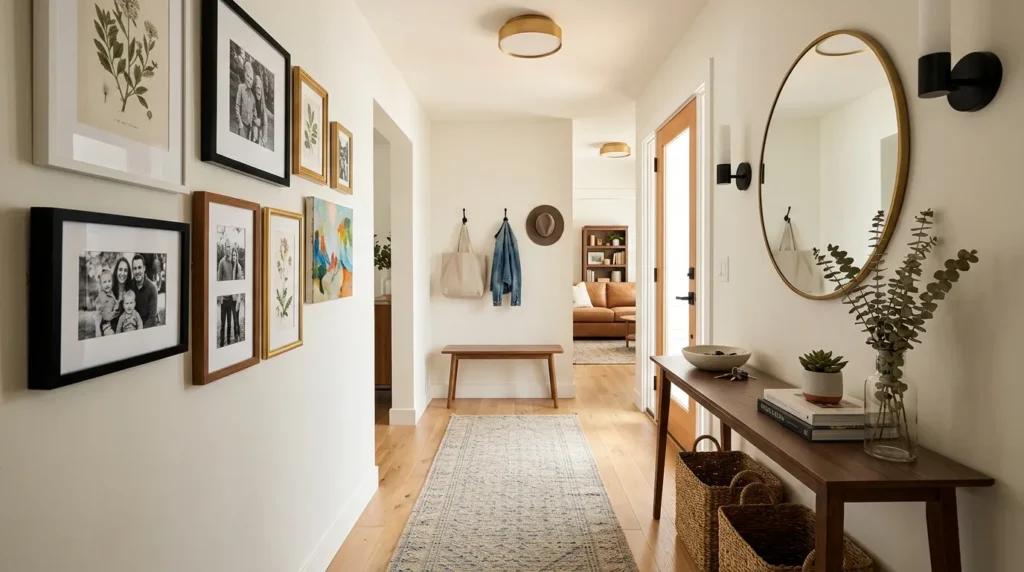
Console tables provide surface space for decorative objects and practical items such as keys or mail. They add dimension and style while keeping the corridor organized.
Styling includes layering items in varying heights, coordinating colors with walls and flooring, and pairing with a mirror or artwork above to create a balanced and inviting look.
2 Mirror for Spacious Feel
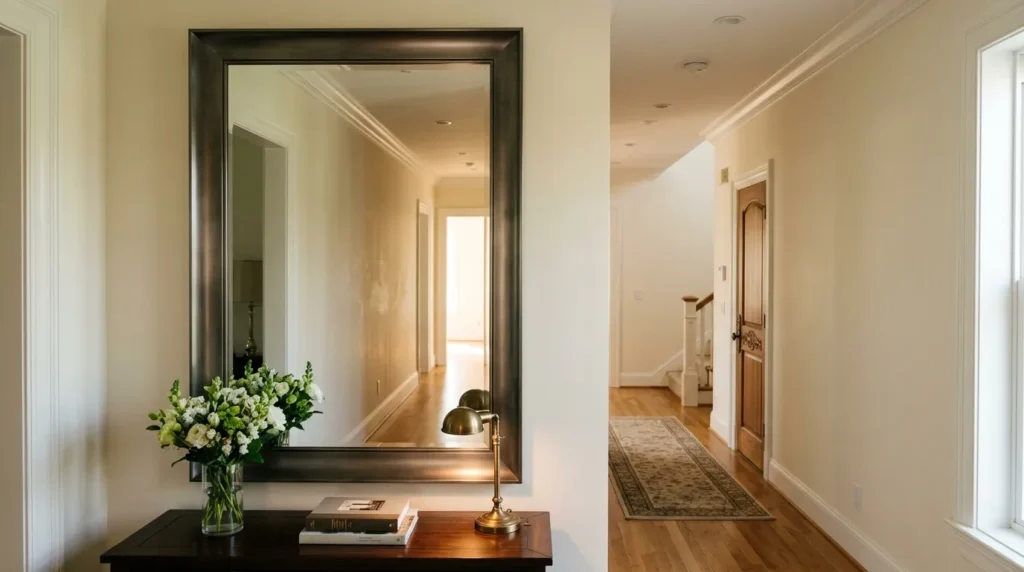
Mirrors enhance natural light, making narrow or small corridors feel more open. They also serve as functional décor for last-minute checks before leaving home.
Styling includes choosing frames that complement furniture, placing decorative accents nearby, and ensuring the mirror is positioned for maximum reflection and aesthetic balance.
3 Gallery Wall of Artwork
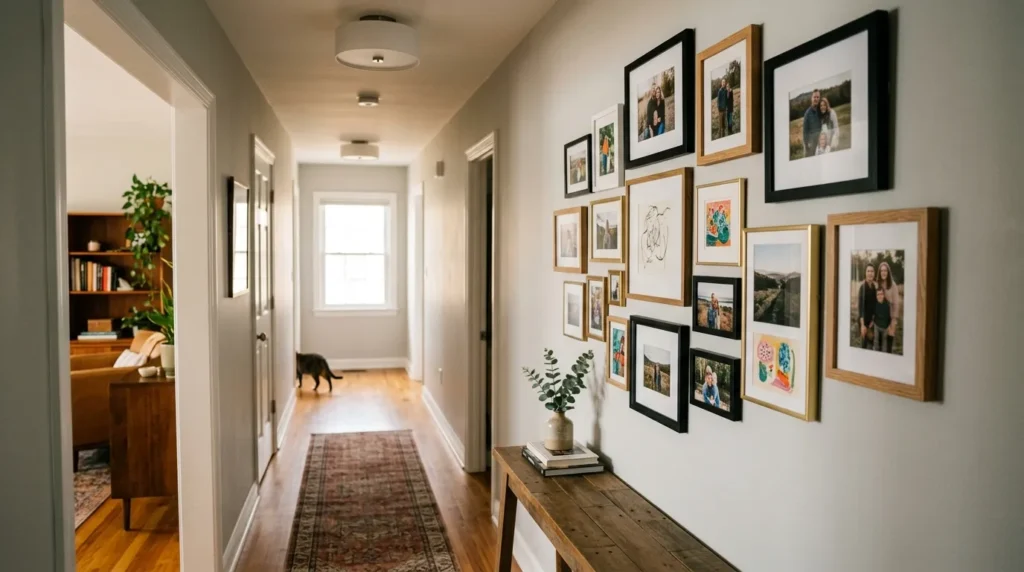
Gallery walls turn plain corridors into engaging spaces. Mixing frame styles and artwork types creates a layered and dynamic look.
Styling includes aligning the frames at eye level, maintaining consistent spacing, and coordinating colors with furniture or flooring for a cohesive design.
4 Wall Sconces for Ambient Lighting
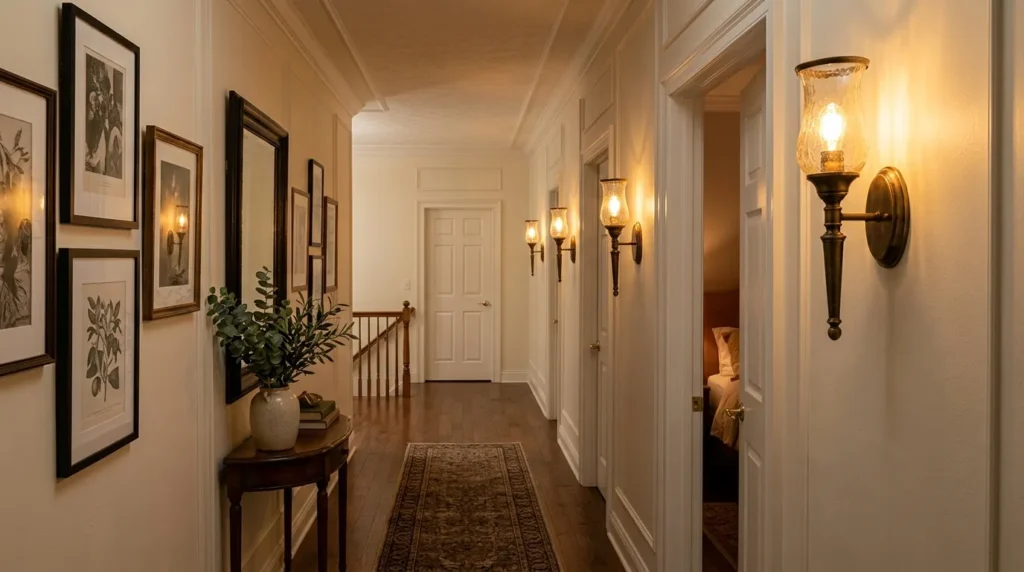
Wall sconces illuminate dark corridors and highlight decorative elements. They create a welcoming and cozy ambiance for guests and residents alike.
Styling includes spacing sconces evenly, coordinating with wall color and décor, and pairing with artwork or mirrors to enhance visual depth.
5 Runner Rug for Texture
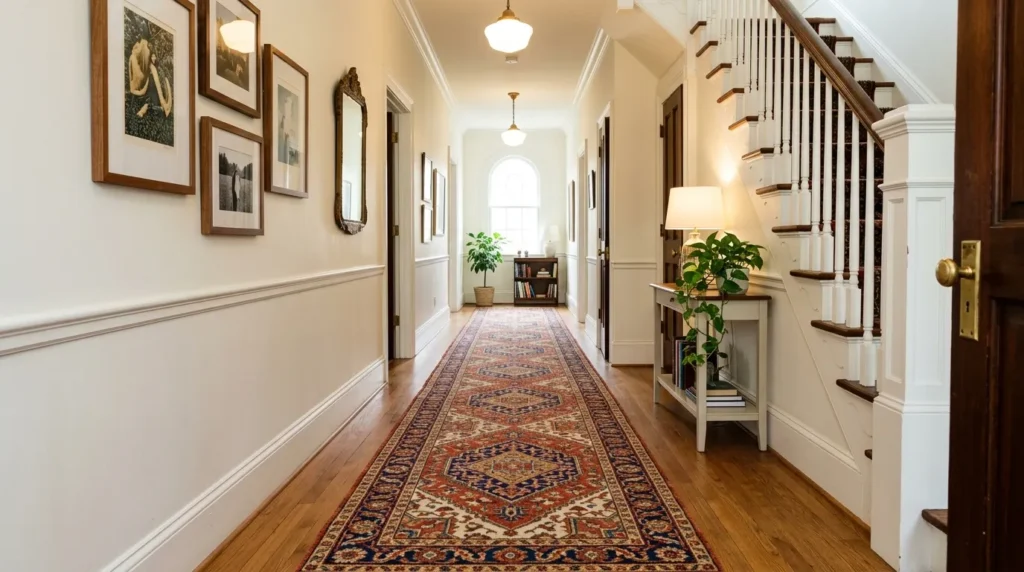
Runner rugs define the walkway, protect flooring, and introduce warmth and style. Patterns can complement the overall color scheme and décor theme.
Styling includes ensuring proper rug length, pairing with minimal clutter, and balancing textures with wall or furniture elements to maintain elegance and cohesion.
6 Floating Shelves for Storage
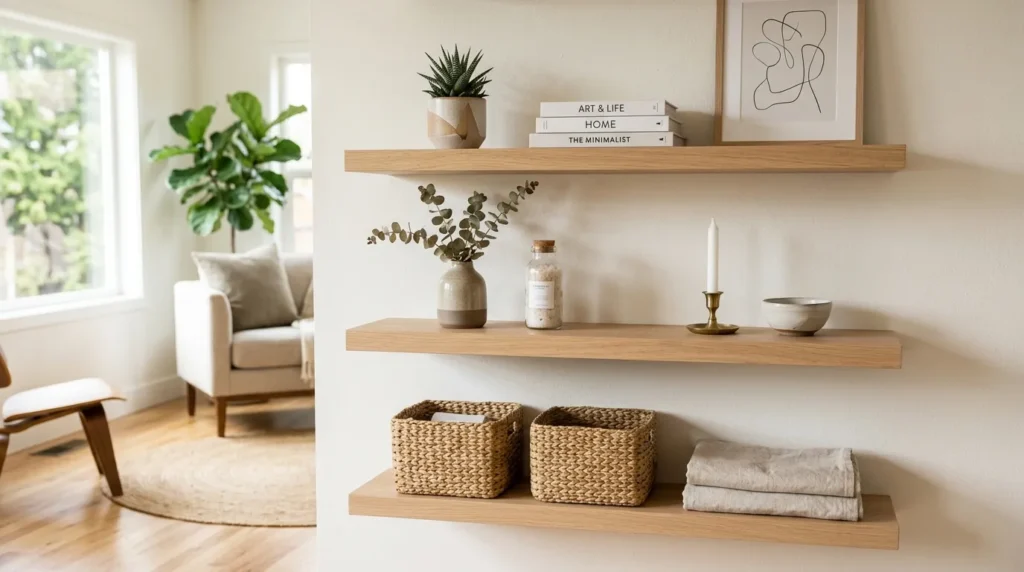
Floating shelves add visual interest and allow for small décor displays without overwhelming the corridor. They also provide practical storage for keys or small essentials.
Styling includes alternating shelf heights, balancing objects by size and color, and combining with wall art or mirrors for a harmonious look.
7 Indoor Plants
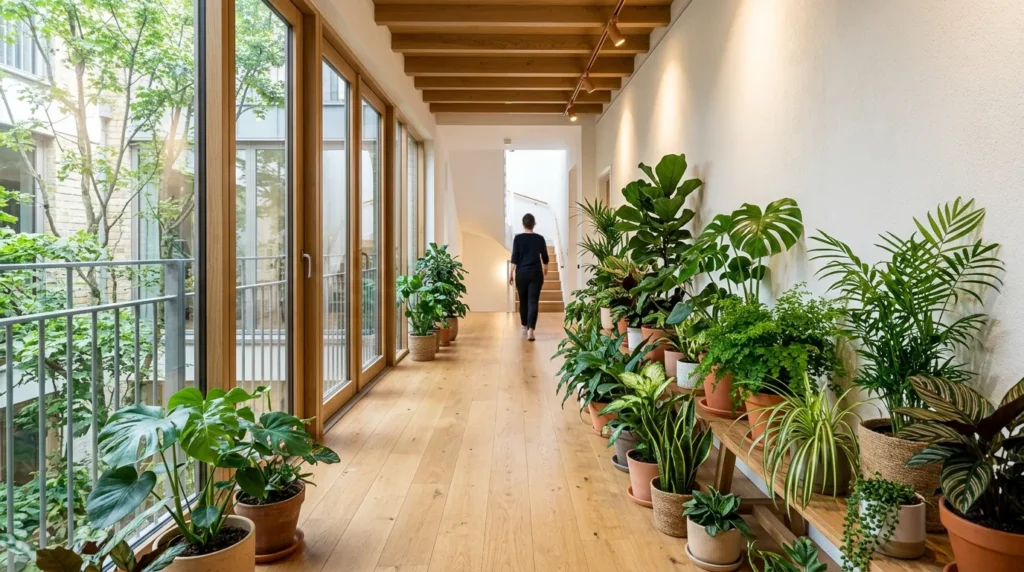
Plants introduce life and color to an otherwise neutral corridor, improving air quality and mood. They can be placed on the floor, shelves, or console tables.
Styling includes choosing low-maintenance varieties, arranging in varying heights, and combining with decorative pots that complement the corridor’s design for a cohesive look.
8 Accent Wall with Paint or Wallpaper
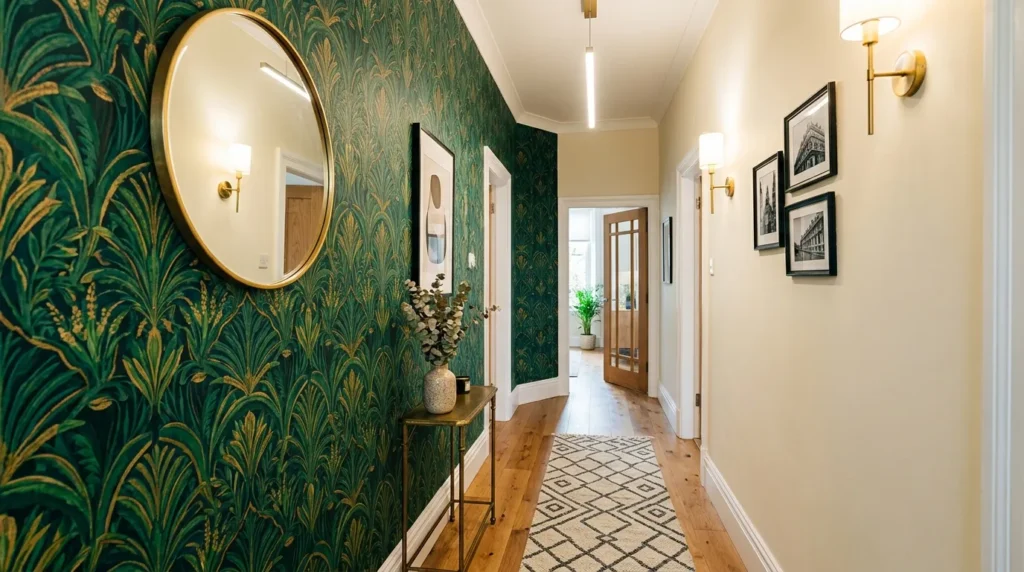
Accent walls break monotony and add personality to narrow spaces. Patterns or textures can enhance the corridor’s style and create focal points.
Styling includes selecting complementary furniture and décor, maintaining neutral elements elsewhere, and using artwork or mirrors to balance the bold wall.
9 Bench with Storage
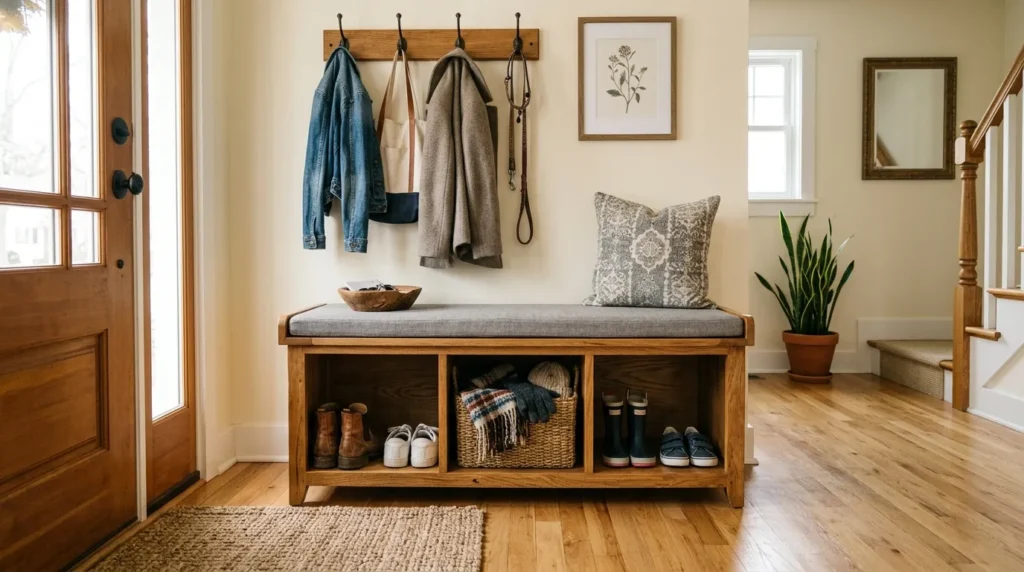
A functional bench improves usability in entryways, allowing guests to sit while putting on or removing footwear. Storage underneath keeps the area tidy.
Styling includes adding cushions or throws for comfort, coordinating with surrounding furniture, and integrating plants or lamps to soften the look.
10 Wall-Mounted Hooks
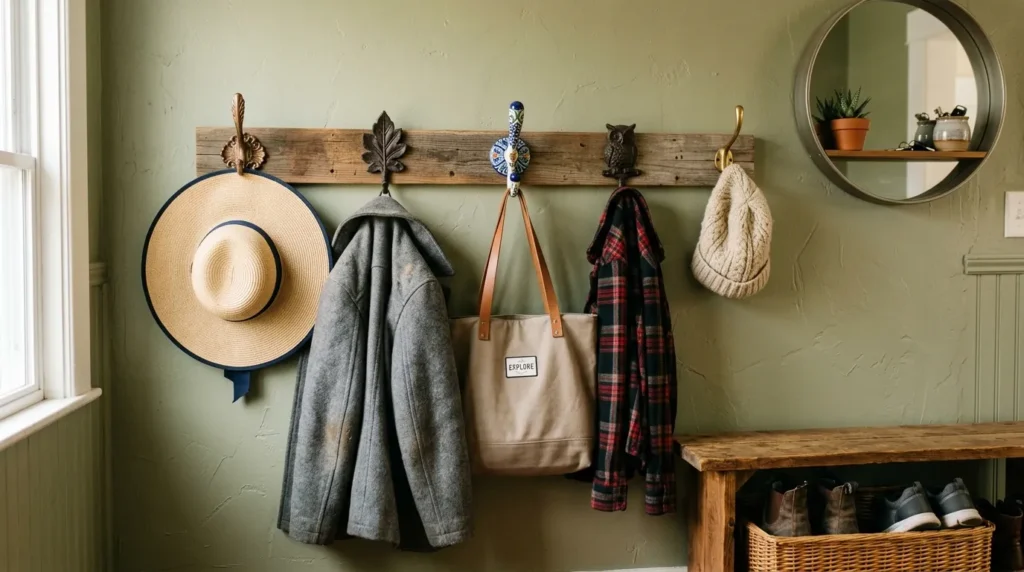
Hooks maximize vertical space and help maintain an organized corridor. Stylish designs add an aesthetic touch while being practical.
Styling includes spacing hooks evenly, coordinating with other wall décor, and combining with small shelves or baskets for additional storage and design appeal.
11 Statement Lighting Fixture
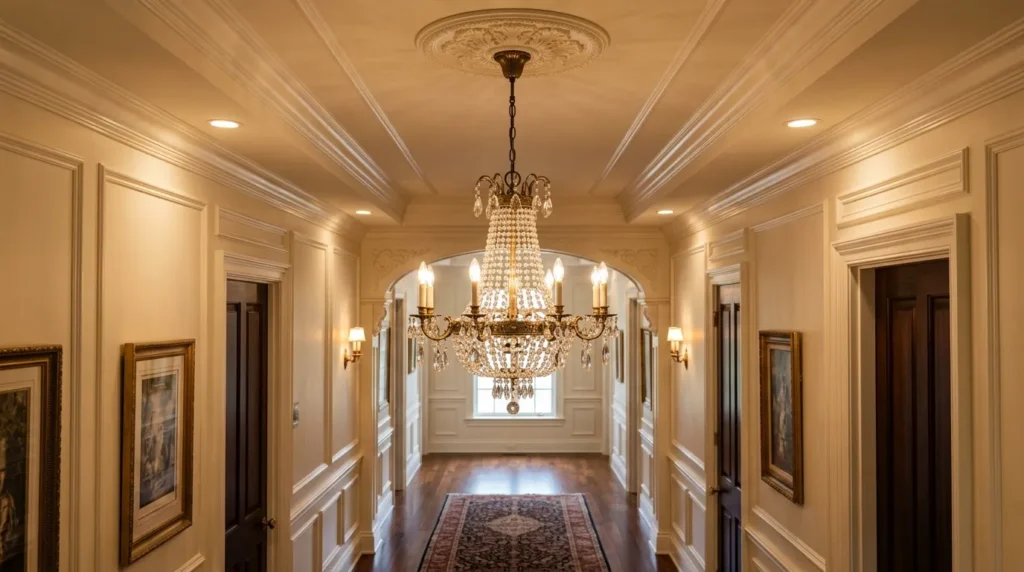
Statement lighting elevates the corridor’s ambiance and serves as a functional focal point. It draws attention upward and enhances spatial perception.
Styling includes choosing a fixture proportional to corridor width, coordinating finishes with furniture, and balancing with wall décor for a cohesive look.
12 Framed Mirrors Along Corridor
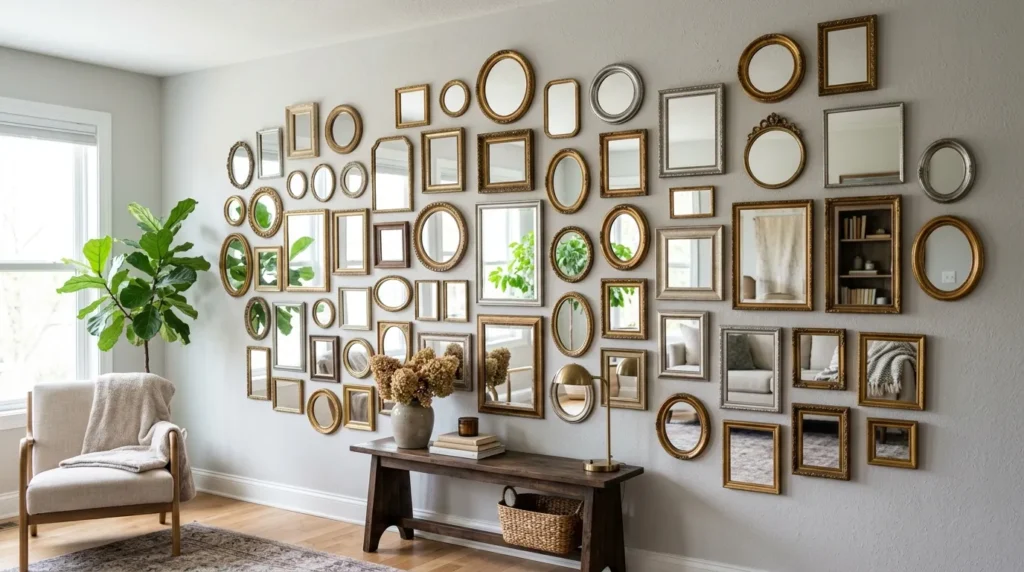
Mirrors increase brightness, make the corridor appear wider, and add decorative interest. Grouped mirrors form a gallery-style installation.
Styling includes varying frame styles, aligning at eye level, and combining with artwork or plants to maintain a balanced and visually appealing corridor.
13 Decorative Console Baskets
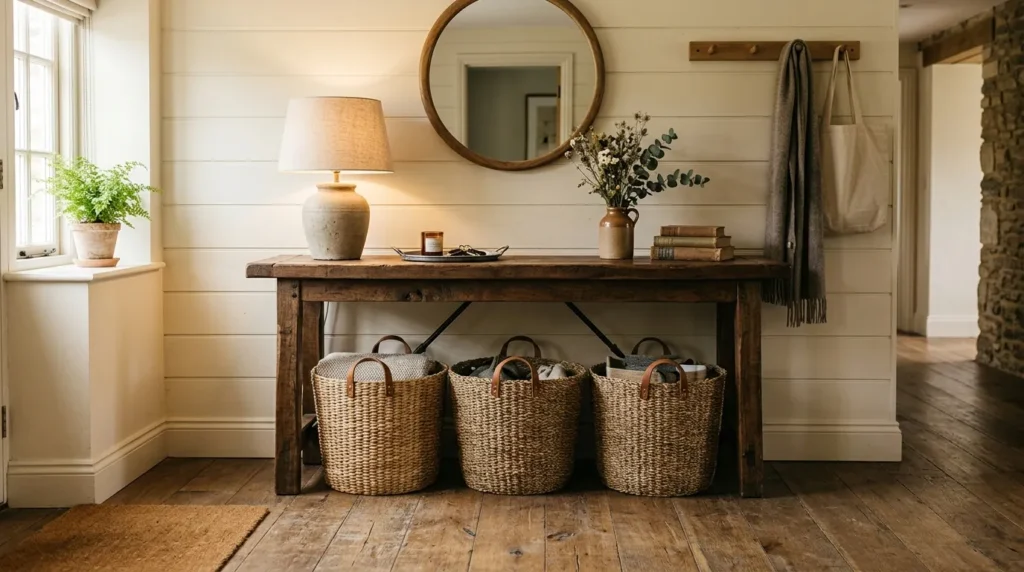
Baskets offer practical storage for shoes, umbrellas, or small items while adding texture and warmth to the corridor.
Styling includes grouping in odd numbers, choosing complementary materials, and coordinating with tabletop décor for a cohesive, functional, and attractive space.
14 Wall Decals or Stickers
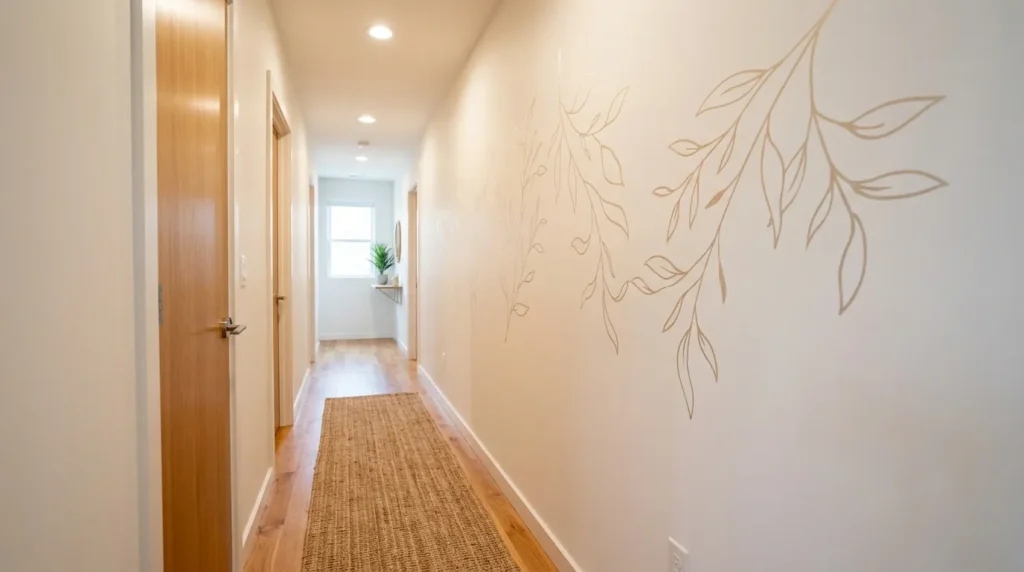
Decals are budget-friendly and easily changeable. They add personality and can simulate artwork, patterns, or thematic designs.
Styling includes selecting complementary colors, spacing evenly, and pairing with lighting or mirrors to enhance dimension and interest.
15 Mini Console with Lamp
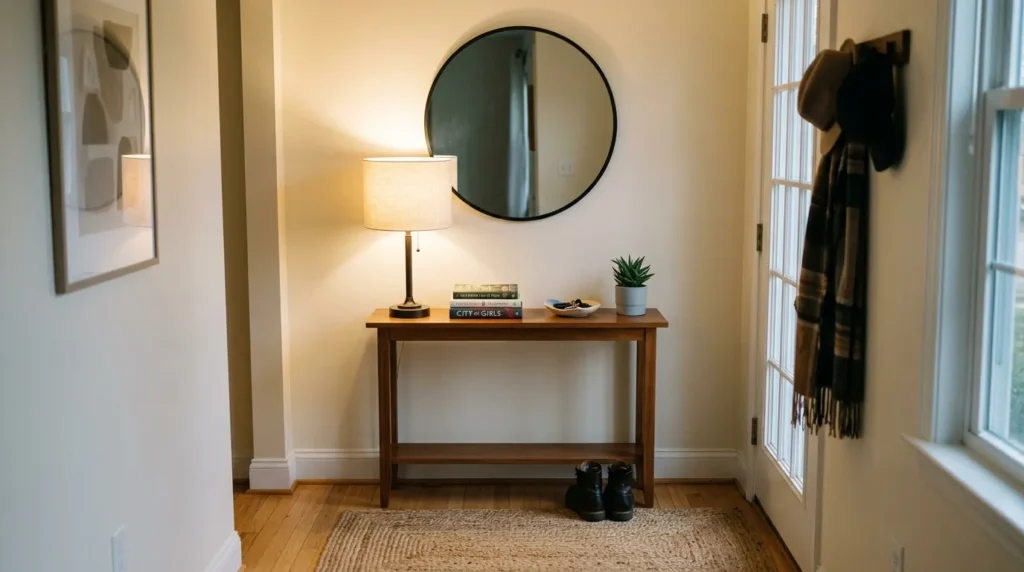
The lamp provides warm illumination and highlights décor elements, creating a welcoming entryway environment.
Styling includes pairing with minimal accessories, balancing with wall décor or mirrors, and ensuring proper scale relative to corridor width for harmony.
16 Decorative Wall Panels
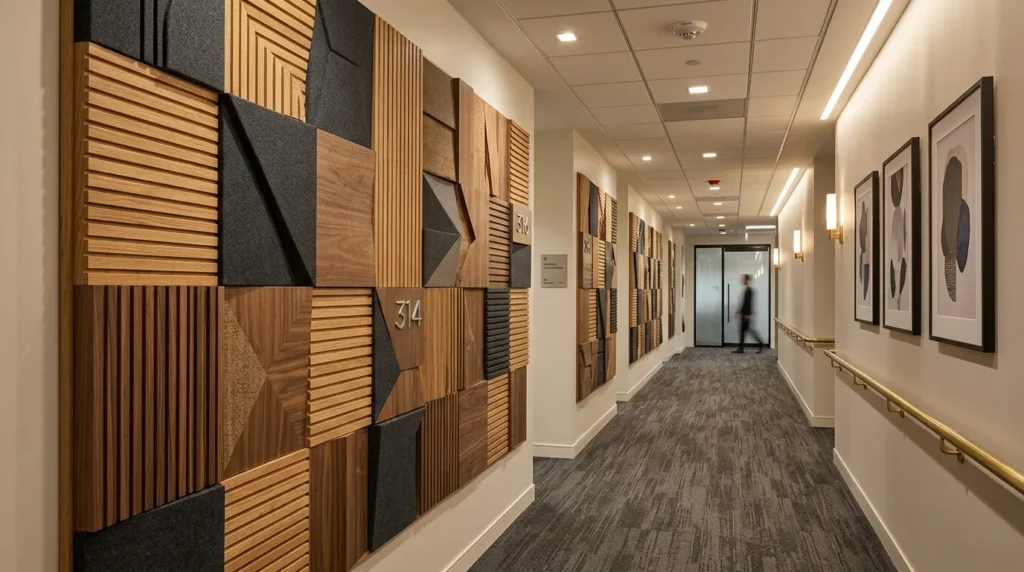
Panels introduce subtle depth, break monotony, and enhance corridor elegance. Materials can vary from wood to fabric or metal.
Styling includes spacing panels evenly, coordinating with existing color palettes, and combining with other décor elements like mirrors or artwork for a polished look.
17 Artistic Sculptures or Figurines
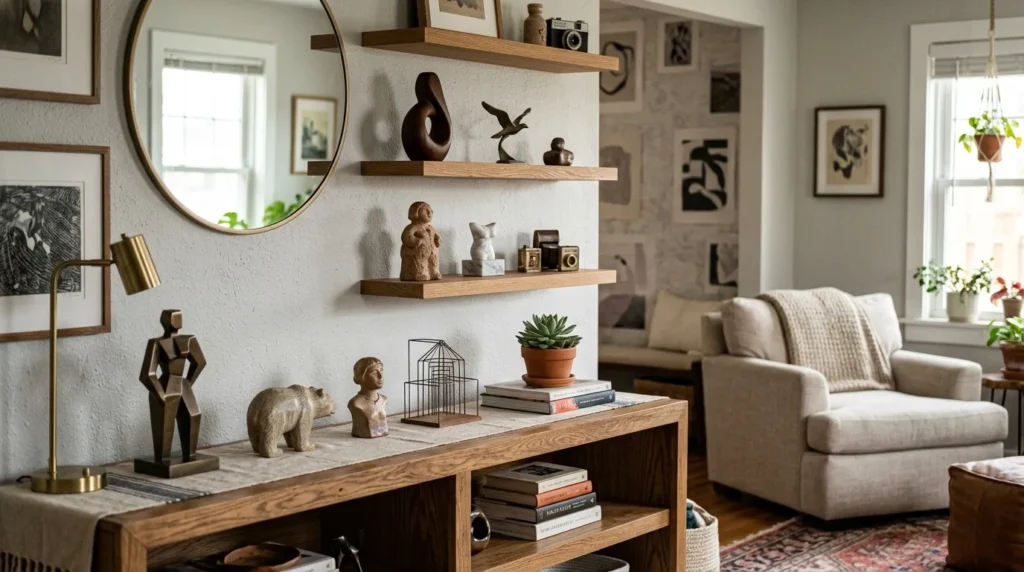
Sculptures introduce visual intrigue, texture, and personality into the corridor. They can serve as conversation starters and focal points.
Styling includes grouping in odd numbers, varying heights, and coordinating colors with wall and floor elements for cohesive design.
18 Accent Wall Lighting
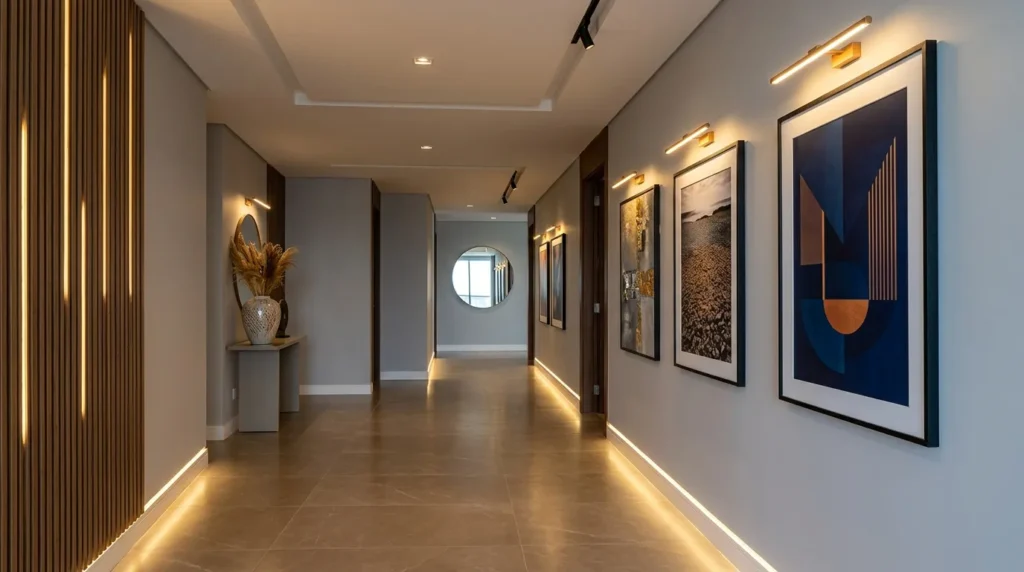
Accent lighting draws attention to key décor elements and enhances ambiance. It is particularly effective for gallery walls or textured surfaces.
Styling includes positioning lights strategically, using warm tones, and coordinating with other light sources for a balanced and inviting corridor.
19 Foldable Seating Options
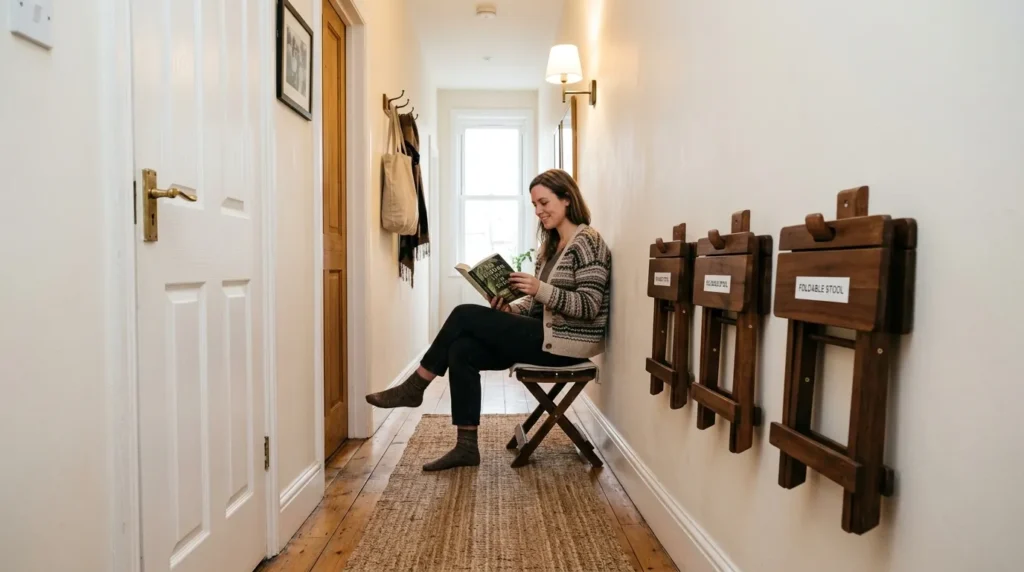
Compact seating adds functionality without sacrificing space. It’s ideal for entryways where occasional use is needed.
Styling includes matching materials to existing furniture, storing stools neatly when not in use, and combining with wall décor or rugs to maintain visual cohesion.
20 Decorative Clocks
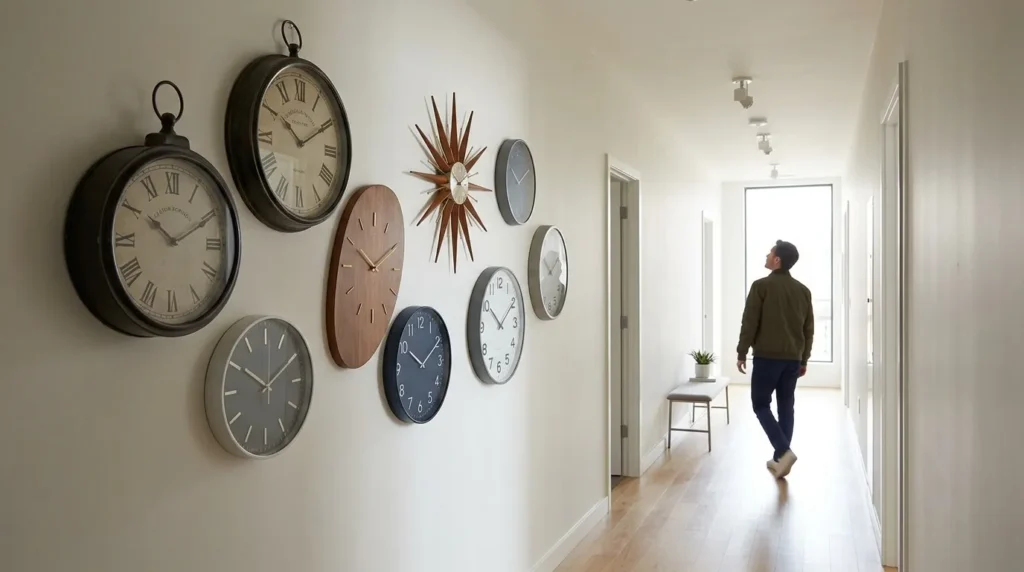
Clocks serve a functional purpose while also acting as decorative features. They complement mirrors, artwork, or other wall décor.
Styling includes selecting a design that matches the corridor theme, positioning at eye level, and balancing with surrounding decorative elements for harmony.
21 Layered Wall Art with Mirrors and Frames
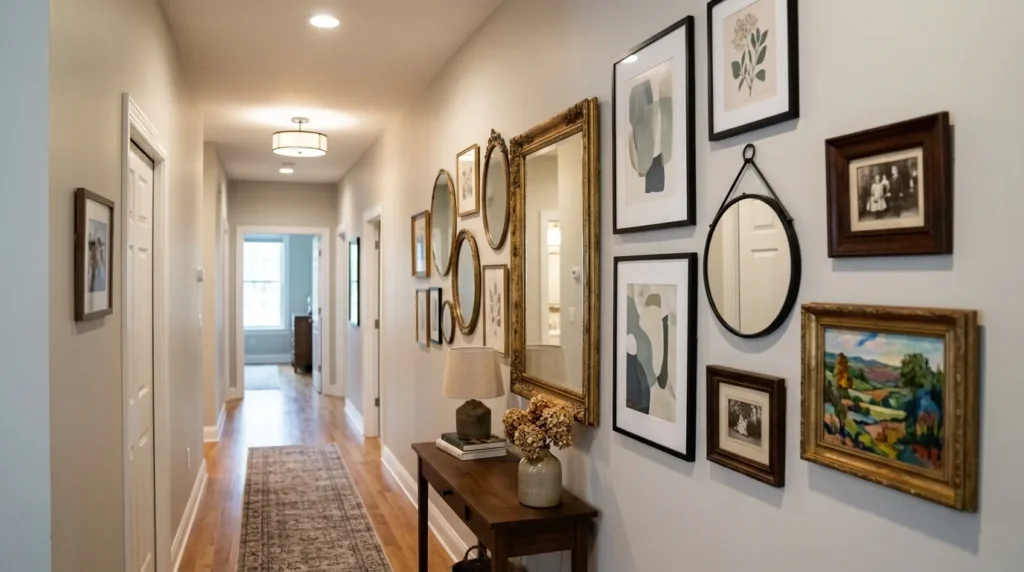
Layering different wall décor elements adds texture and dimension, transforming plain walls into engaging visual features.
Styling includes balancing sizes, spacing evenly, and coordinating colors with corridor furniture and rugs to ensure a cohesive, polished appearance.
Conclusion:
Entryway corridor decoration can transform a narrow or overlooked space into a stylish, functional, and welcoming area. These 21 ideas showcase how furniture, lighting, mirrors, greenery, and artwork can create visual interest while improving functionality. Thoughtful arrangement, layering, and attention to scale ensure the corridor feels spacious, organized, and inviting. Implementing these strategies creates a cohesive, practical, and aesthetically pleasing entryway that leaves a lasting impression on guests while enhancing your home’s overall interior design.