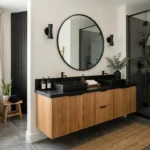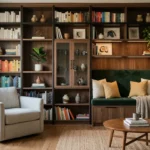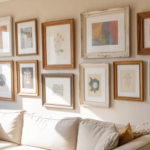
Discover 12 Modern Apartment Ideas for a Stylish and Functional Space
A beautiful apartment does more than look polished in photos. It shapes how your mornings feel, how easily you relax at night, and how well your home supports daily life. That matters even more in the USA, where many people are working with smaller layouts, open-plan rooms, rental restrictions, and the need to make one…
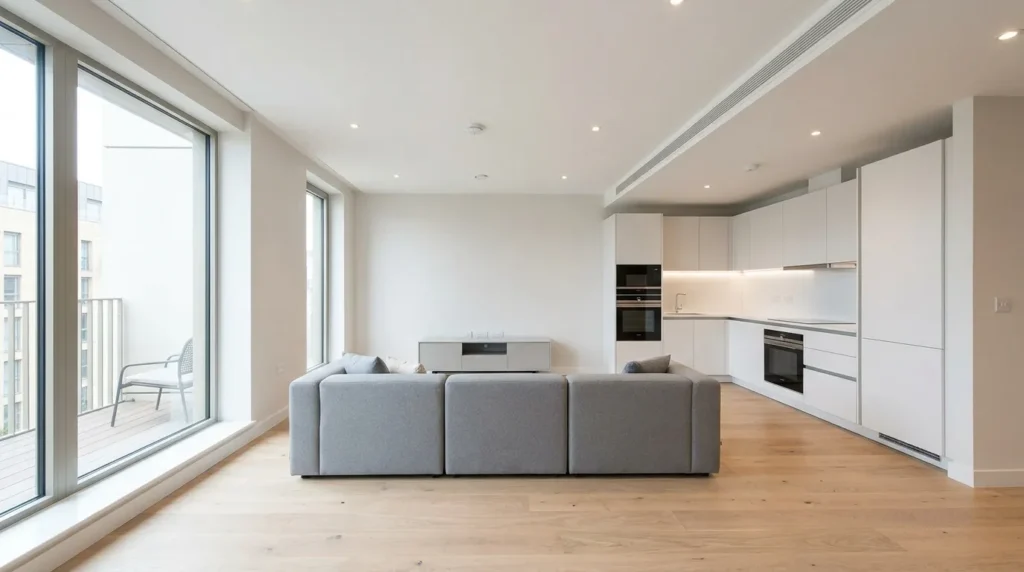
A beautiful apartment does more than look polished in photos. It shapes how your mornings feel, how easily you relax at night, and how well your home supports daily life. That matters even more in the USA, where many people are working with smaller layouts, open-plan rooms, rental restrictions, and the need to make one space do several jobs at once. The good news is that a stylish apartment does not require a massive budget or a full renovation. It usually comes down to better choices, smarter layers, and a layout that feels intentional.
In my experience, the most impressive homes are not always the biggest ones. They are the ones that feel edited, balanced, and easy to live in. A well-placed lamp, a cleaner entry setup, or a more thoughtful color palette can completely change the mood of a room. This first part focuses on six practical ideas that help an apartment feel more elevated without losing comfort. Each one is designed to improve the way your space looks and functions, so your home feels more personal, flexible, and genuinely enjoyable every day.
Warm Neutrals
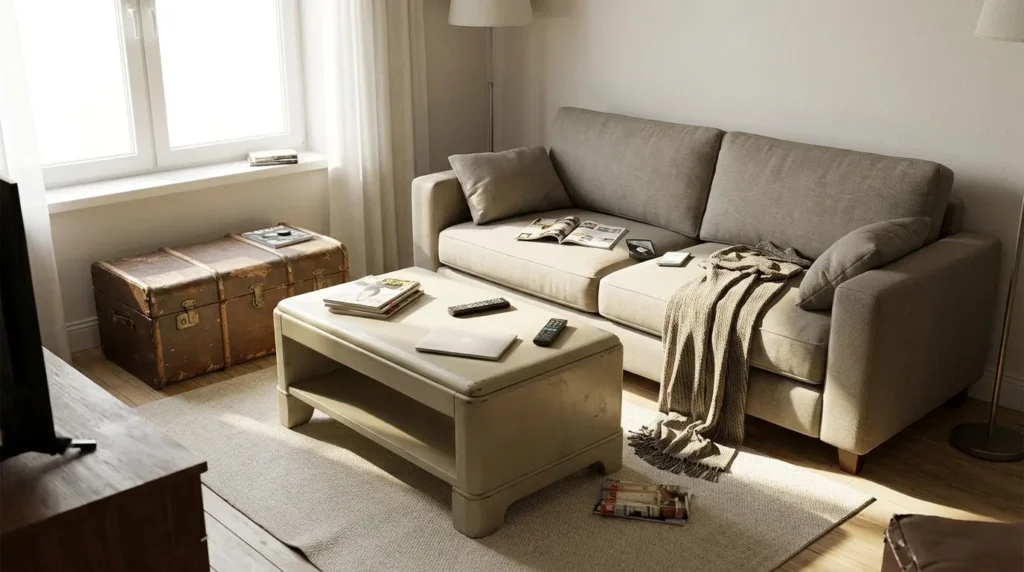
- Creates a calm and polished base for the whole apartment
- Makes small rooms feel brighter and more open
- Works well with wood, black accents, and soft textiles
- Easy to update seasonally without replacing large furniture
- Helps mixed decor feel more cohesive and intentional
A soft neutral palette can completely change how an apartment feels the moment you walk in. Shades like warm white, sand, beige, oat, and light taupe create a calm backdrop that reflects light and reduces visual noise. This is especially useful in compact layouts where too many competing tones can make a room feel crowded. Start with larger surfaces like walls, rugs, curtains, and bedding, then layer in texture through boucle, linen, woven baskets, or light wood finishes. The result feels elevated without looking cold, which is why it works in both city studios and larger rentals.
The real value of warm neutrals is flexibility. Once the base feels balanced, you can add black lighting, brass hardware, muted art, or earthy green accents without making the room feel busy. I have seen this work well in many homes because it gives everything a quieter, more intentional look. It also makes future updates easier since you are not locked into one trend-heavy color story. If your apartment already has mismatched flooring or standard builder finishes, this palette helps smooth those differences out and makes the entire space feel more connected and thoughtfully designed.
Layered Lighting
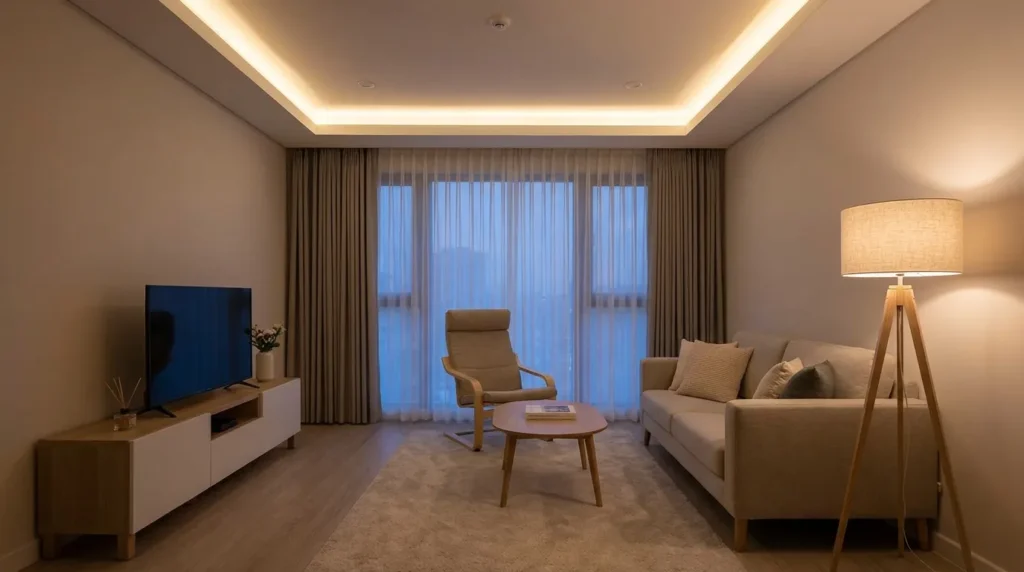
- Improves mood and functionality in every zone
- Makes the apartment feel more expensive and finished
- Helps open-plan spaces feel more defined at night
- Reduces harsh overhead lighting that flattens the room
- Supports reading, dining, relaxing, and working with ease
Lighting is one of the fastest ways to make an apartment feel more refined, and most homes need more than one source per room. Relying only on a ceiling fixture often makes the space feel flat, harsh, and unfinished. Instead, layer overhead light with table lamps, floor lamps, sconces, or rechargeable accent lamps. Each light should serve a purpose, whether that is soft evening ambiance, task lighting near a chair, or a glow that highlights a console or shelf. That combination makes the room feel more dimensional and gives you better control over the mood throughout the day.
This idea works because good lighting shapes how every material in your home is perceived. Wood feels richer, fabrics look softer, and corners that once felt empty become more inviting. In my experience, even a basic rental apartment starts to feel custom once the lighting is varied and warm. Choose bulbs with a soft white tone rather than stark daylight, and place lights at different heights to avoid a one-note look. That is why many designers recommend building a room through layers of light first, then adding decor after the atmosphere already feels right.
Slim Entry Zone
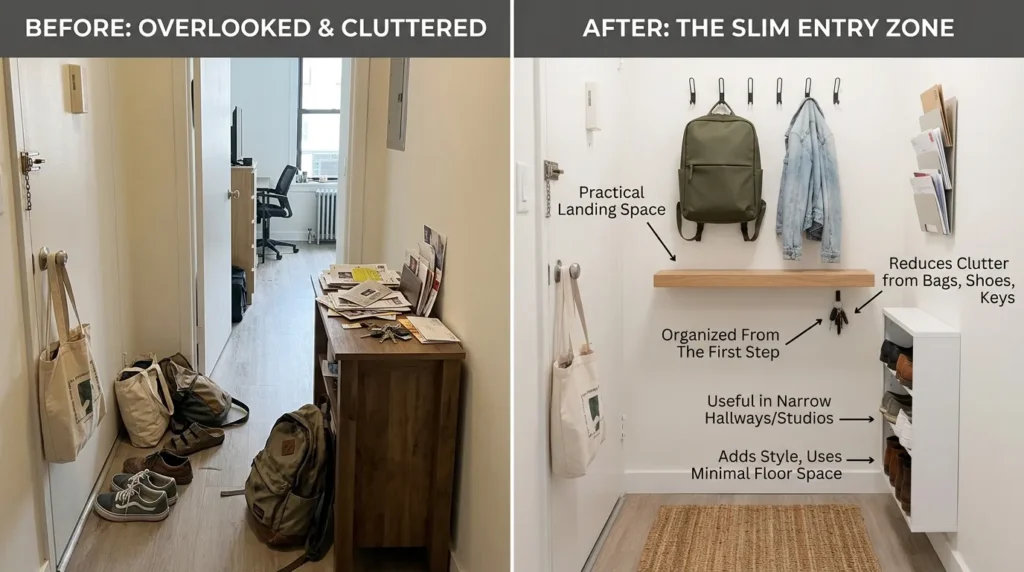
- Turns an overlooked area into a practical landing space
- Helps reduce clutter from bags, shoes, keys, and mail
- Makes the apartment feel organized from the first step inside
- Useful even in narrow hallways or studio layouts
- Adds style without taking up much floor space
A small entry setup can make a huge difference in how your apartment functions every single day. Even if you do not have a formal foyer, you can create a slim landing zone with a narrow console, wall hooks, a tray for keys, and a mirror above it. This setup gives everyday items a place to go before they spread across counters or the sofa. The visual effect is just as important as the storage. When the entrance feels clean and intentional, the whole apartment immediately feels more put together, even if the rest of the space is still evolving.
The best entry areas combine function with restraint. Choose pieces that are narrow, wall-mounted, or vertically organized so the setup feels light rather than bulky. I have noticed that apartments feel more peaceful when the front door area is edited and uncluttered, because it prevents the first visual impression from feeling chaotic. Add a small lamp, a ceramic bowl, or a simple framed print to soften the utility of the zone. With just a few smart pieces, you can create a drop area that supports daily life while making your home feel far more intentional.
Floating Shelves
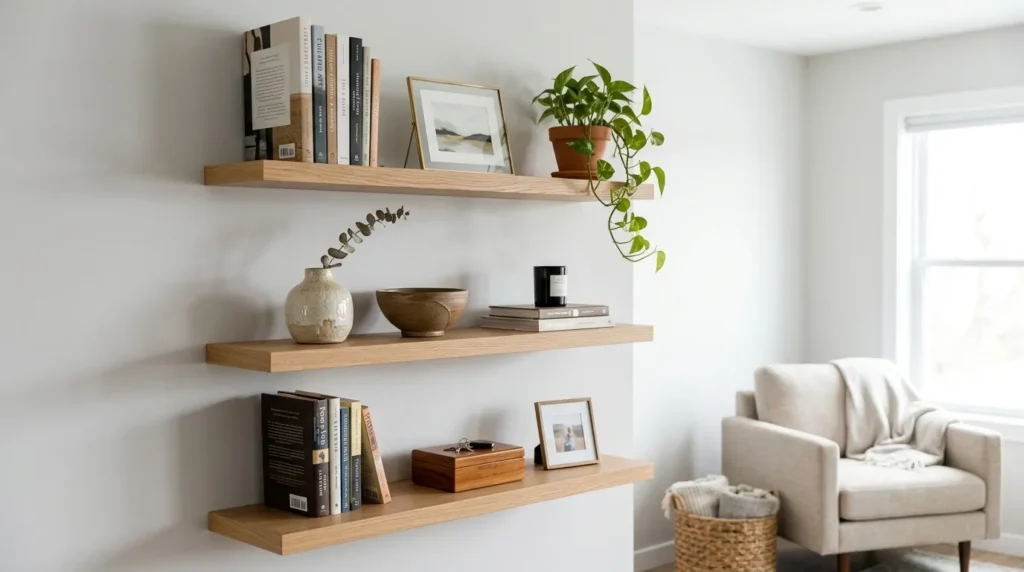
- Adds storage without heavy visual weight
- Makes walls feel styled but still open and airy
- Great for books, ceramics, art, and daily essentials
- Useful in kitchens, living rooms, bathrooms, and bedrooms
- Helps renters maximize vertical space in a clean way
Floating shelves are one of the best tools for adding storage while keeping the apartment visually light. Unlike bulky bookcases, they give you room to display useful and decorative items without blocking floor space. Install them above a desk, beside a TV, over a toilet, or in a kitchen corner where cabinets are limited. The key is to style them with balance. Mix practical objects like bowls, glassware, or storage boxes with softer pieces like books, framed art, and small plants. This creates a layered look that feels curated instead of purely functional.
What makes this idea especially helpful is how adaptable it is across different rooms and design styles. A matte black shelf bracket feels more industrial, while light oak shelves lean softer and more natural. I have seen this work well in many homes because it solves the common apartment problem of not having enough storage without making the room feel heavier. Keep some breathing room between objects so the shelf does not feel overloaded. When styled thoughtfully, floating shelves can make a plain wall feel more custom and give your apartment a cleaner, more finished rhythm.
Hidden Storage
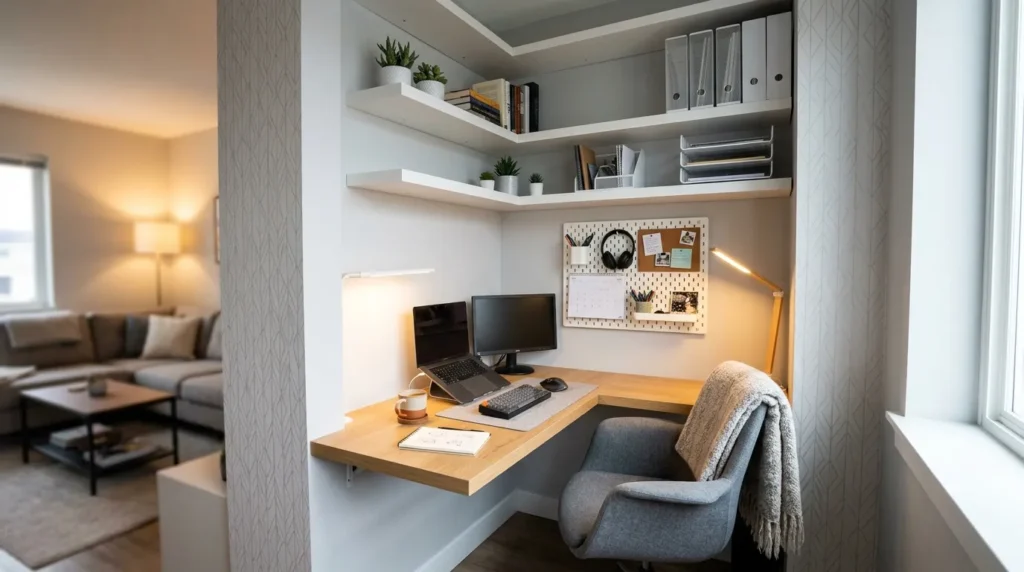
- Keeps daily clutter out of sight without losing access
- Helps smaller apartments feel calmer and more spacious
- Makes furniture work harder in limited square footage
- Ideal for living rooms, bedrooms, and dining corners
- Supports a cleaner visual style with less effort
The smartest apartment upgrades are often the ones you do not see right away. Hidden storage makes it easier to keep daily life under control without filling the room with obvious bins or bulky cabinets. Think of an ottoman that holds blankets, a bed with drawers underneath, a bench with lift-up seating, or nesting tables with concealed compartments. These pieces help you store what you actually use while keeping surfaces cleaner and more open. That matters in smaller homes where clutter builds quickly and every visible item affects how spacious the room feels.
This approach works because it improves both appearance and routine at the same time. Instead of constantly moving things around, you build storage into the furniture you already need. I have noticed that people maintain tidier homes more easily when their storage feels convenient, not complicated. Look for pieces with simple lines so they still match the rest of the room. Soft-close lids, upholstered finishes, or wood tones can help the furniture feel elevated rather than utilitarian. Over time, this kind of smart storage makes your apartment feel calmer, more functional, and much easier to enjoy.
Statement Mirror
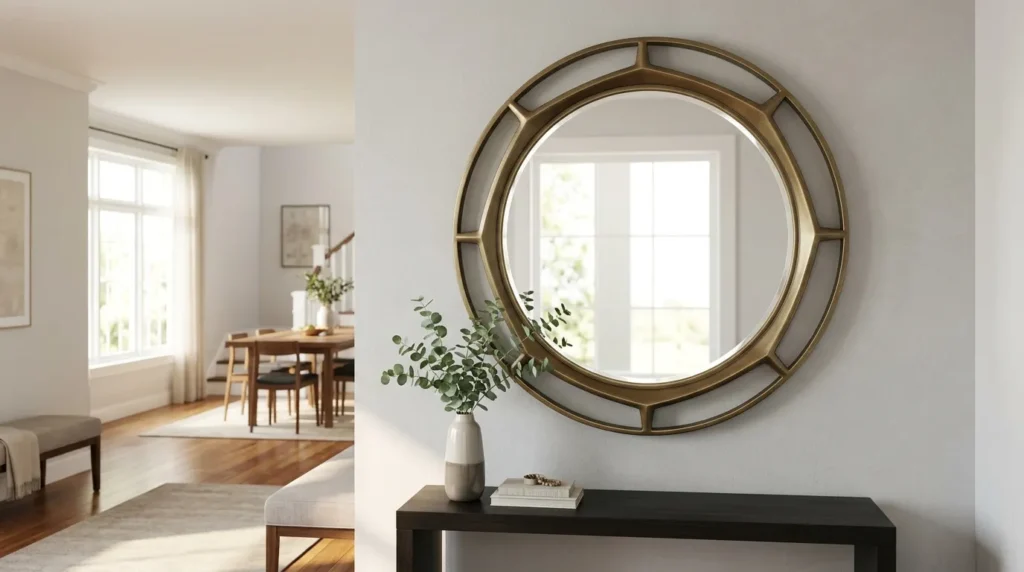
- Reflects light and makes rooms feel larger
- Adds a focal point without using much floor space
- Works in entryways, bedrooms, and dining areas
- Helps simple walls feel more styled and complete
- Can bring shape, contrast, or softness to the room
A large mirror can transform an apartment faster than most decor pieces because it adds light, depth, and structure all at once. When placed across from a window or near a brighter wall, it helps bounce light deeper into the room and makes the layout feel more open. This is especially valuable in apartments with limited natural light or narrow living areas. Choose a frame that supports the look you want, whether that means black metal for contrast, light wood for warmth, or an arched silhouette for softness. The mirror becomes both practical and decorative immediately.
The reason this idea works so well is that it solves visual problems without adding clutter. A statement mirror can anchor an entry console, soften a bedroom corner, or add presence above a dining sideboard. In my experience, mirrors are one of the easiest ways to make a rental feel more polished because they create impact without requiring a major furniture change. Scale matters here, so go larger than you think you need. A bigger mirror often feels calmer and more intentional than several smaller wall pieces competing for attention in the same space.
Textured Rugs
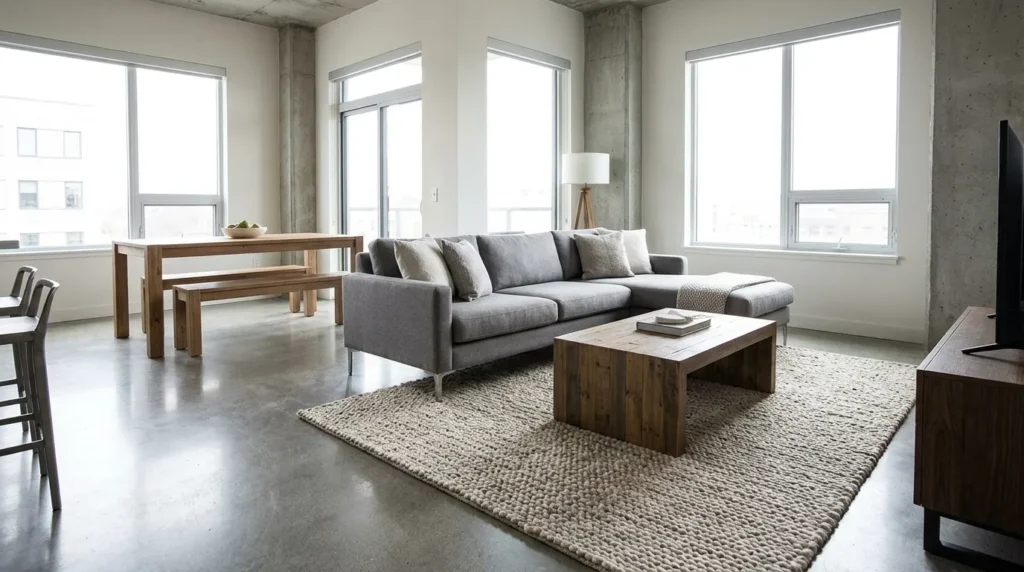
- Defines zones in open layouts without adding walls
- Adds warmth and softness to hard apartment flooring
- Helps reduce noise in busy or echo-prone spaces
- Works well with neutral palettes and layered decor
- Easy to switch seasonally for a fresh look
A well-chosen rug can completely change how a room feels under your feet and in your eyes. In apartments with hardwood or tile floors, adding texture instantly softens the space and makes it feel more inviting. Materials like wool, jute, or low-pile blends create depth without overwhelming the room. Place rugs under seating areas, beds, or dining tables to visually anchor each zone. I’ve noticed that even small apartments feel more structured when rugs clearly define how each area is meant to be used.
What makes this idea especially effective is how it blends comfort with design. A textured rug absorbs sound, reduces echo, and makes everyday living feel quieter and more relaxed. That’s why many designers recommend layering rugs to add depth, especially in open layouts. Choose sizes that extend slightly beyond furniture edges so the setup feels intentional. Avoid rugs that are too small, as they can make the space feel disconnected. When done right, this simple addition brings warmth, structure, and balance into your apartment effortlessly.
Compact Work Nook
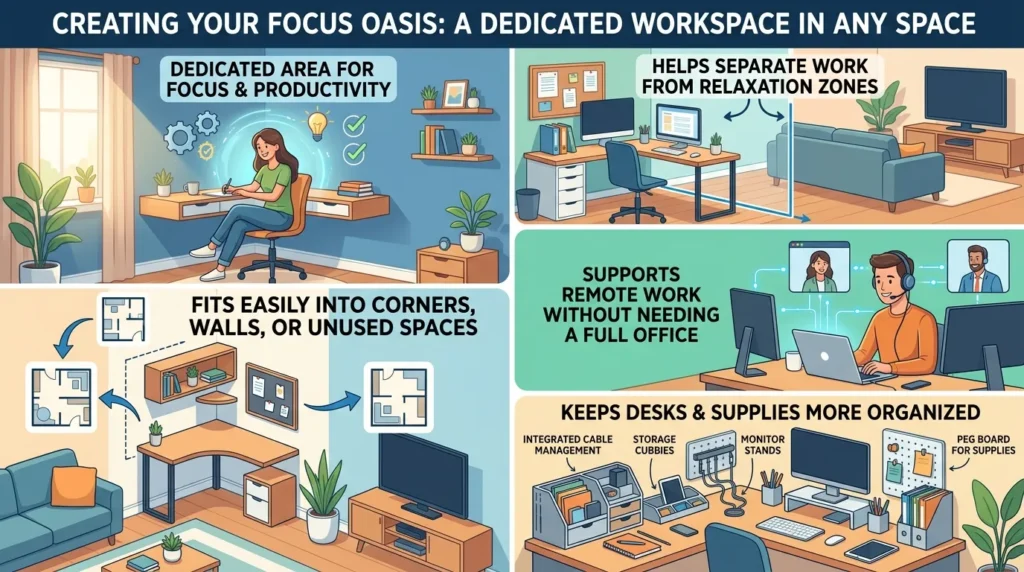
- Creates a dedicated area for focus and productivity
- Helps separate work from relaxation zones
- Fits easily into corners, walls, or unused spaces
- Supports remote work without needing a full office
- Keeps desks and supplies more organized
A small work nook can make a huge difference in how your apartment functions daily, especially if you work from home or need a place to manage tasks. You do not need a full office room. A slim desk, a comfortable chair, and a wall shelf are enough to create a focused zone. Position it near natural light if possible, or add a soft desk lamp for evening use. This setup gives your brain a clear signal that this is a place for productivity, which helps improve focus without taking over your entire living space.
The benefit of a compact setup is that it keeps work contained instead of spreading across the home. I’ve seen this work well in many apartments where people struggled to balance work and relaxation. Add a pinboard, a small plant, or a neutral organizer to keep the space visually clean but still personal. When the day ends, step away from this area to mentally disconnect. That boundary makes your apartment feel more balanced, allowing you to relax without constantly being reminded of unfinished tasks.
Neutral Curtains
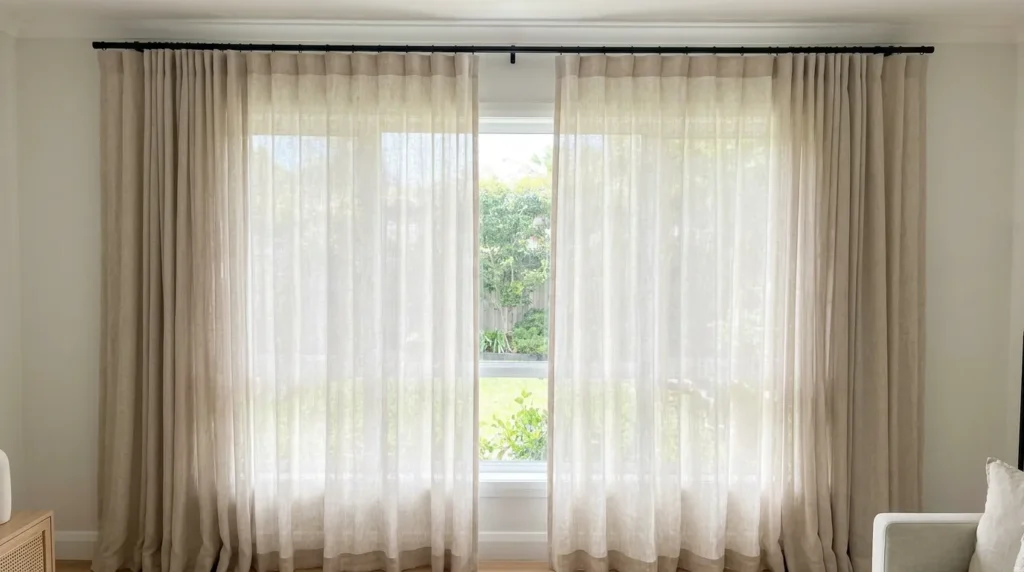
- Softens windows while maintaining a clean look
- Helps control light and privacy throughout the day
- Makes ceilings appear taller when hung higher
- Blends easily with different color palettes
- Adds subtle movement and texture
Curtains are often overlooked, but they play a big role in how polished an apartment feels. Choosing light, neutral curtains allows natural light to filter through while still offering privacy when needed. Fabrics like linen or cotton create a soft, relaxed look that works well in most spaces. Hang curtains slightly higher than the window frame to give the illusion of taller ceilings, which is especially helpful in smaller apartments. This simple trick can make a room feel more open and airy without changing the structure.
What makes neutral curtains so effective is their versatility. They support the rest of your decor instead of competing with it. I’ve noticed that rooms instantly feel more finished once windows are dressed properly. They also help soften sharp lines from furniture and walls, making the space feel more comfortable. Choose curtain rods that match your hardware for a cohesive look. With the right fabric and placement, curtains can quietly elevate the entire apartment while improving both function and style.
Accent Wall Panels
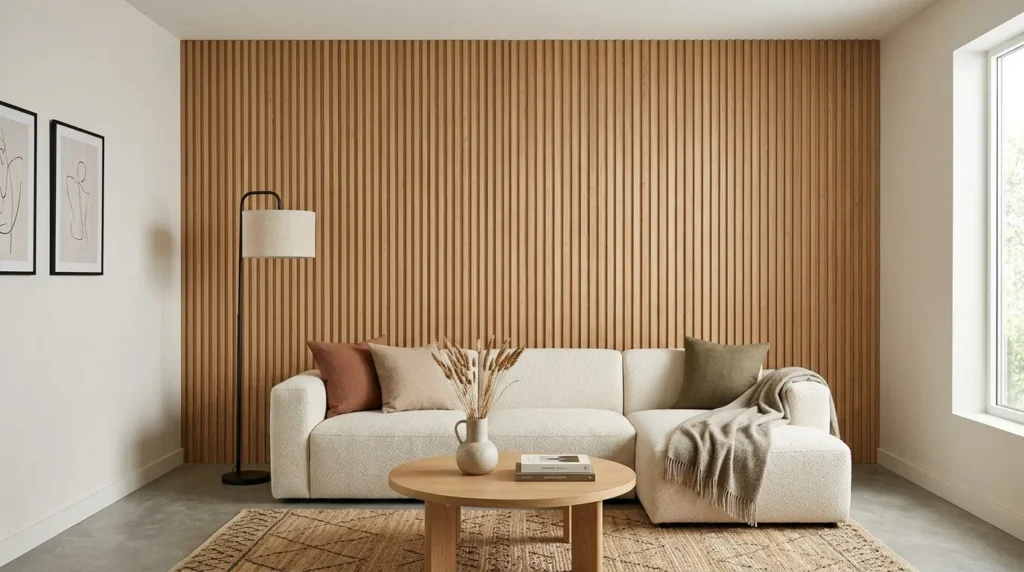
- Adds depth without needing bold paint colors
- Creates a focal point in living or bedroom areas
- Works well with wood, fluted, or textured designs
- Enhances plain rental walls in a subtle way
- Can be removable for renter-friendly setups
Accent panels are a modern way to add visual interest without overwhelming your apartment. Instead of using loud colors, panels bring texture through materials like wood slats, fluted boards, or soft geometric patterns. These can be installed behind a bed, sofa, or TV wall to create a clean focal point. Many renter-friendly options are peel-and-stick or lightweight, making them easy to install and remove later. This allows you to upgrade your space without permanent changes or complicated renovations.
The beauty of this idea is how it adds depth while staying subtle. I’ve seen this work well in many homes where walls felt too plain but bold paint was not an option. Panels create a sense of structure and design without making the room feel busy. Keep surrounding decor minimal so the wall can stand out naturally. Pair it with soft lighting to highlight the texture in the evening. This combination creates a layered, modern look that feels intentional and high-end.
Multi-Use Furniture
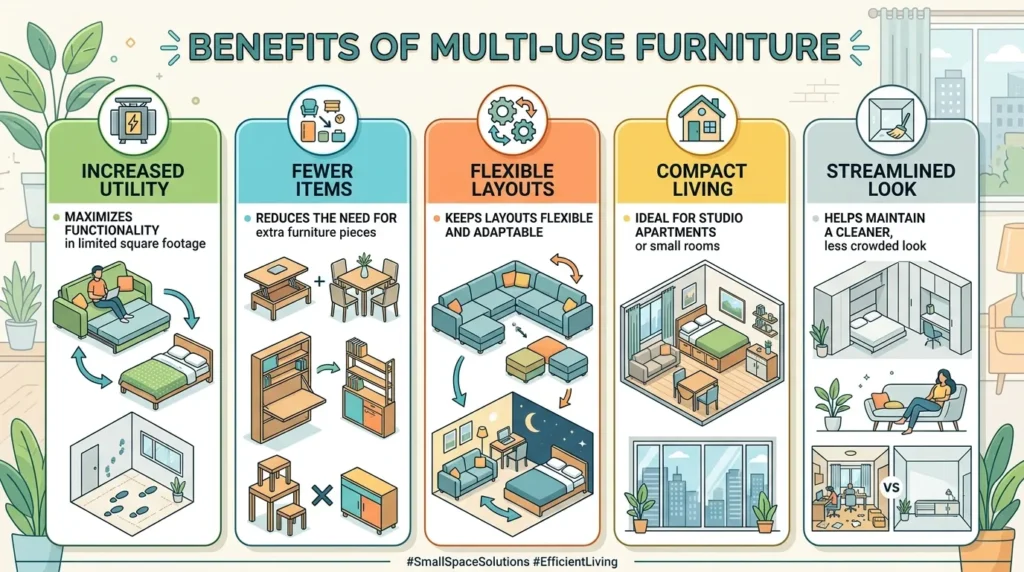
- Maximizes functionality in limited square footage
- Reduces the need for extra furniture pieces
- Keeps layouts flexible and adaptable
- Ideal for studio apartments or small rooms
- Helps maintain a cleaner, less crowded look
Furniture that serves more than one purpose is essential in apartment living. Think of a sofa bed, a storage bench, or a dining table that doubles as a workspace. These pieces help you get more use out of the same area without filling it with unnecessary items. In smaller layouts, this approach keeps the room open and easier to navigate. Choosing furniture that adapts to your needs allows your apartment to shift throughout the day, from work mode to relaxation mode without major changes.
This idea works because it supports real-life living instead of just appearance. I’ve noticed that homes feel more comfortable when furniture adapts to routines rather than limiting them. Look for designs that are simple and easy to use, avoiding overly complex mechanisms. Neutral finishes and clean lines help these pieces blend into the overall style. Over time, multi-use furniture reduces clutter and makes your space feel more efficient, giving you more freedom to enjoy your home without constantly rearranging it.
Minimal Wall Art
- Keeps walls clean while adding personality
- Prevents visual clutter in smaller rooms
- Works well with neutral and modern interiors
- Easy to rearrange or update over time
- Helps highlight key focal areas
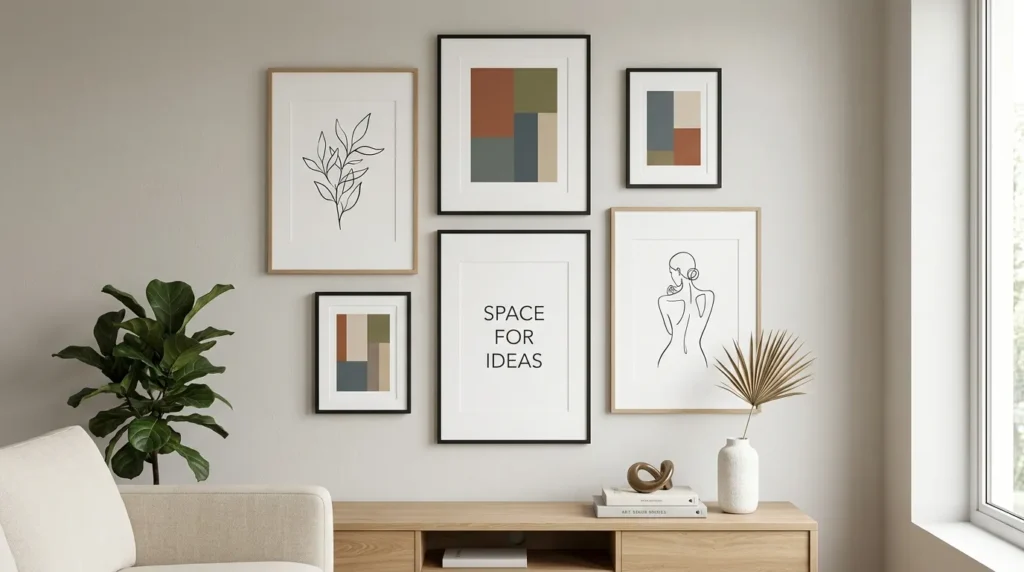
Wall art does not need to fill every inch of space to make an impact. In fact, keeping it minimal often creates a more refined and modern look. Choose a few larger pieces or a small curated set instead of many scattered frames. Black-and-white prints, abstract art, or soft landscapes work especially well in apartments with neutral tones. The goal is to let each piece breathe so it can stand out without competing with other elements in the room.
What makes minimal art so effective is the sense of calm it brings. I’ve seen this work well in many apartments where too much wall decor made the space feel busy and smaller than it actually was. Leave some blank space around each piece to create balance. Align frames with furniture edges for a cleaner look. This approach allows your walls to feel styled without overwhelming the room, helping your apartment feel more open, organized, and visually relaxing.
- Slug
modern-apartment-ideas-stylish-functional-space - Meta Description
Discover 17 modern apartment ideas to transform your space into a stylish, functional home. Smart layouts, decor tips, and practical upgrades for everyday living.