10 Landscape Design For Small Backyard Ideas
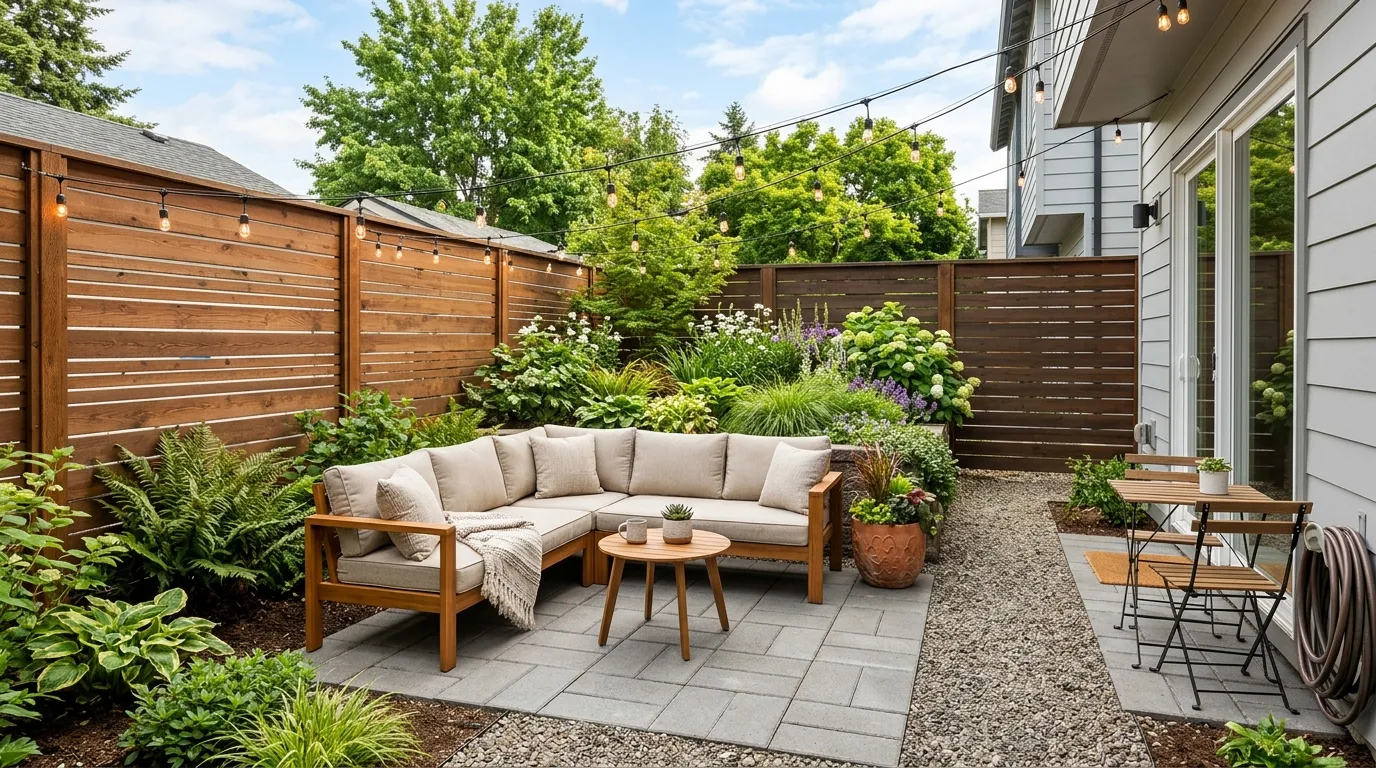
A small backyard can become one of the most loved parts of a home when every inch has a clear purpose. Many USA homeowners deal with compact outdoor spaces, narrow lots, townhome patios, fenced suburban yards, or awkward corners that feel too small to style properly. The good news is that a smaller yard can actually be easier to transform because thoughtful choices show quickly. With the right layout, materials, planting, lighting, and furniture scale, even a tiny backyard can feel calm, stylish, and surprisingly functional.
This guide focuses on practical outdoor ideas that look beautiful on Pinterest but still make sense for real homes. You will find ways to create seating, privacy, greenery, paths, dining space, lighting, storage, and cozy gathering areas without making the yard feel crowded. The goal is not to fill every corner, but to shape the space so it feels open, balanced, and easy to use. Each idea includes simple styling logic, helpful materials, and real-life tips you can adapt whether your backyard is sunny, shaded, modern, rustic, or somewhere in between.
1. Paver Patio Grid
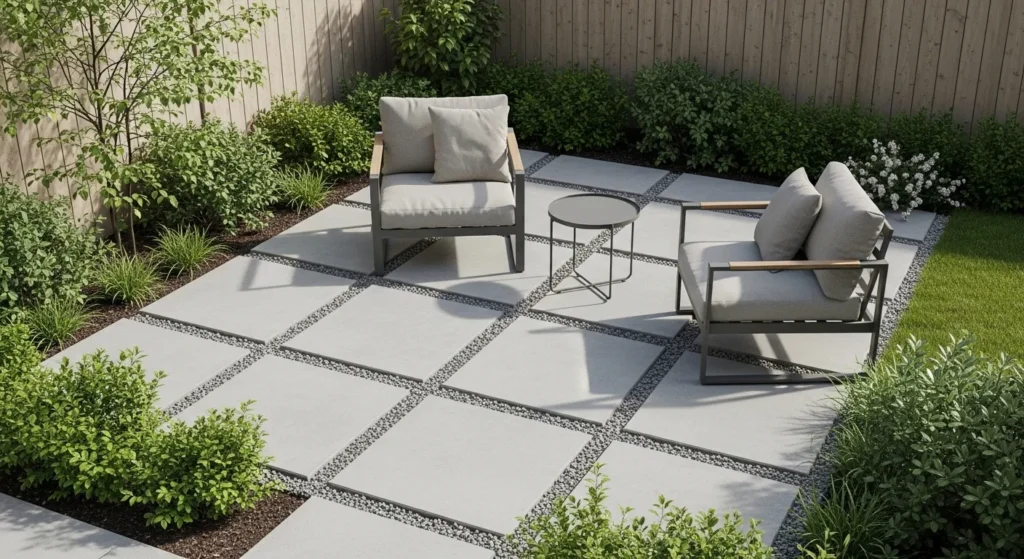
- Creates a clean foundation for seating, dining, or lounging.
- Works well in square, narrow, or awkward backyard layouts.
- Adds structure without needing a full concrete slab.
- Looks polished with gravel, grass, moss, or groundcover between pavers.
A paver grid can make a small backyard feel instantly more intentional because it gives the space a clear foundation. Instead of pouring one large patio surface, large square pavers create rhythm, openness, and visual breathing room. This works especially well in compact USA backyards where homeowners want a patio feel without making the yard look completely covered. Use concrete pavers, porcelain slabs, or natural stone in soft gray, beige, charcoal, or warm taupe. The grid keeps the layout simple while still looking custom and modern.
The transformation comes from what you place between the pavers. Pea gravel gives a relaxed modern look, grass softens the layout, and creeping thyme or moss adds charm in the right climate. Keep furniture scaled to the grid so chairs and tables feel placed, not squeezed. In my experience, small yards look larger when the hardscape has repeated lines instead of random shapes. This idea also makes maintenance easier because individual pavers can be replaced, cleaned, or adjusted without rebuilding the entire outdoor area.
2. Layered Corner Beds
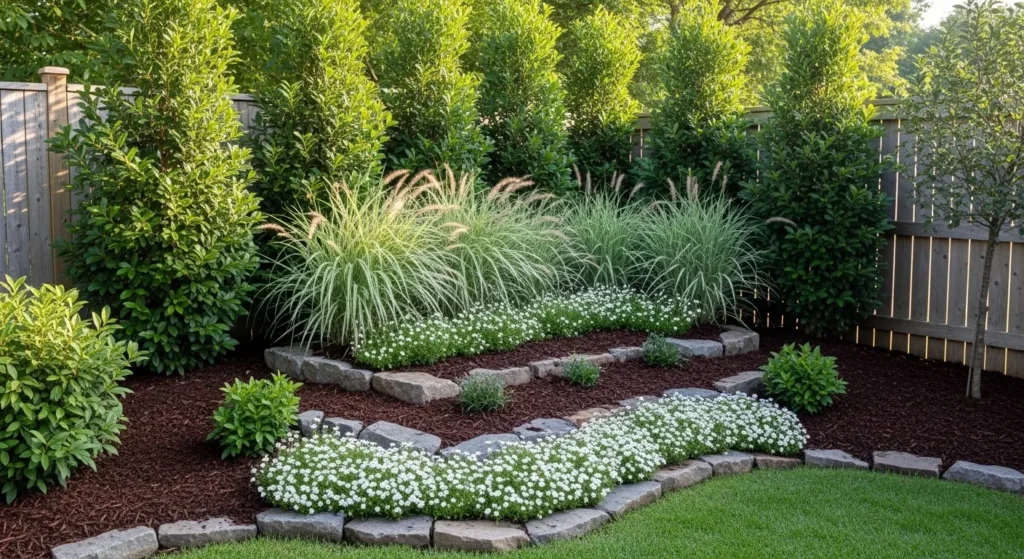
- Turns empty corners into soft, finished focal points.
- Adds depth without taking over the full backyard.
- Works with shrubs, grasses, perennials, mulch, and stone edging.
- Helps hide fence lines, utility areas, or plain walls.
Layered corner beds are one of the smartest ways to make a small backyard feel lush without losing usable space. Corners often become dead zones, but they can hold beautiful planting layers that pull the eye outward and make the yard feel deeper. Start with a taller anchor plant near the back, add medium shrubs or grasses in the middle, then finish with low flowers or groundcover in front. This creates a soft triangle effect that feels natural, balanced, and visually full without crowding the center.
For materials, use mulch, small river rock, metal edging, or stacked stone to define the bed cleanly. Choose plants that match your light conditions, such as hydrangeas for part shade, boxwood for structure, ornamental grasses for movement, or salvia for sunny color. I’ve noticed that repeating three to five plant types looks more expensive than mixing too many varieties. The result is a corner that feels designed, hides hard fence edges, and leaves the middle of the backyard open for sitting, walking, kids, or pets.
3. Privacy Screen Wall
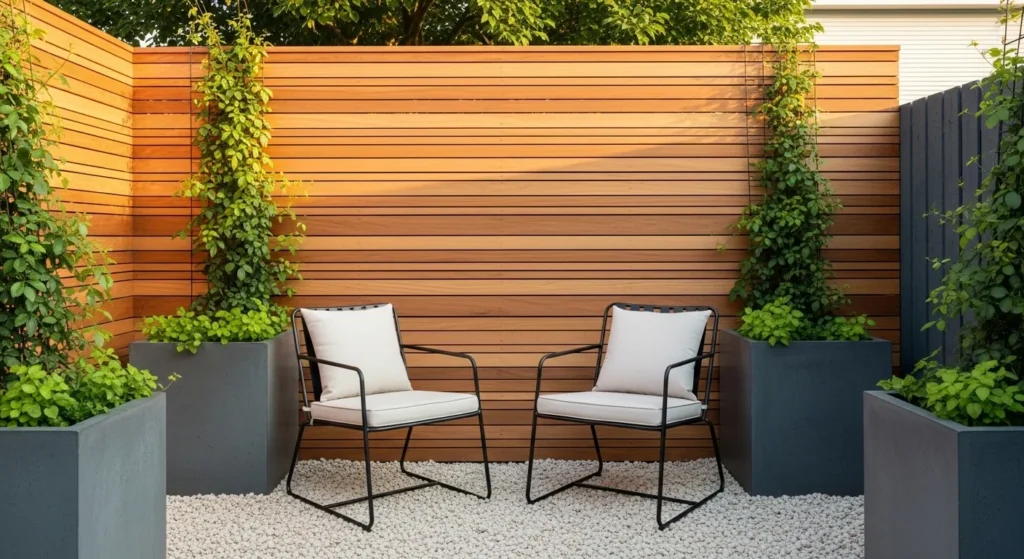
- Adds comfort in close-neighbor backyard spaces.
- Creates a stylish backdrop for plants and furniture.
- Works with wood slats, bamboo panels, lattice, or metal screens.
- Helps define a seating zone without building a full structure.
A privacy screen wall can completely change how comfortable a small backyard feels, especially in neighborhoods where homes sit close together. Instead of waiting years for tall hedges to grow, a screen gives immediate separation and style. Wood slats, bamboo panels, black metal screens, vinyl lattice, or composite boards can all work depending on your home’s exterior. The best designs feel like a backdrop, not a barrier, so keep the height, color, and spacing balanced with the rest of the yard.
Use the screen behind a bench, dining set, fire area, or small lounge zone to create a clear outdoor room. Add climbing jasmine, clematis, star jasmine, or container plants if your climate supports them. For a modern look, stain wood in warm cedar, dark walnut, or soft black, then repeat that tone in furniture or planters. That’s why many designers recommend privacy features early in a yard plan; once people feel comfortable outside, they actually use the space more often.
4. Curved Gravel Path
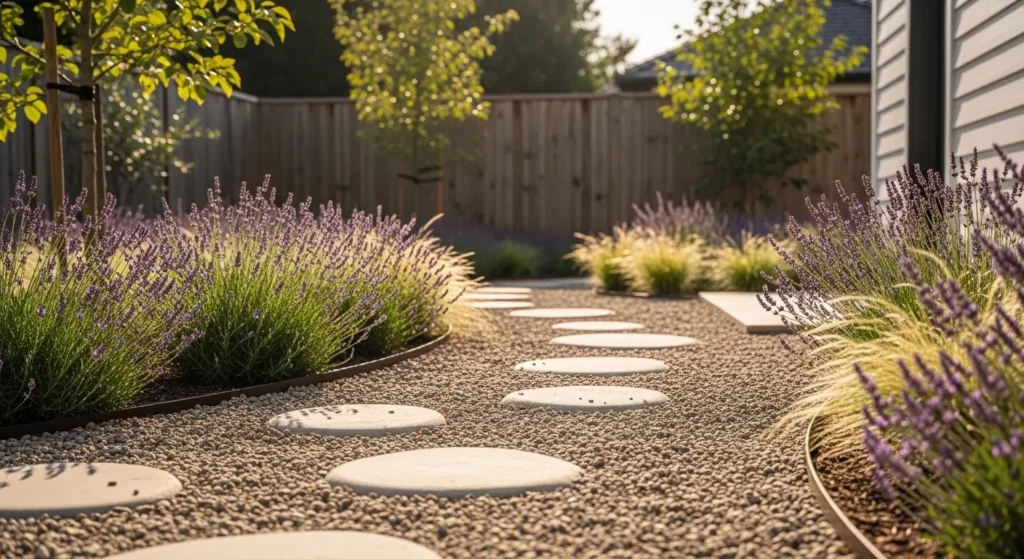
- Makes a small yard feel softer and more spacious.
- Guides movement without heavy construction.
- Works with gravel, stepping stones, edging, and low plants.
- Adds charm to side yards, garden corners, and patio transitions.
A curved gravel path gives a small backyard a sense of movement instead of making everything feel boxed in. Straight lines can look clean, but a gentle curve often makes compact spaces feel more relaxed and larger than they are. Use pea gravel, crushed granite, decomposed granite, or small decorative stone, then edge the path with metal, brick, stone, or low plants. This idea works especially well when connecting a back door to a seating area, shed, raised bed, or hidden garden corner.
The path does not need to be wide to be effective, but it should feel comfortable enough for daily walking. Lay landscape fabric underneath to reduce weeds, compact the base, and choose gravel that suits your region’s weather. Add stepping stones if you want a more stable surface for kids, older adults, or frequent use. The biggest visual upgrade comes from planting along one side, such as lavender, liriope, dwarf shrubs, or soft grasses. It turns a simple walkway into a charming backyard feature.
5. Built-In Bench
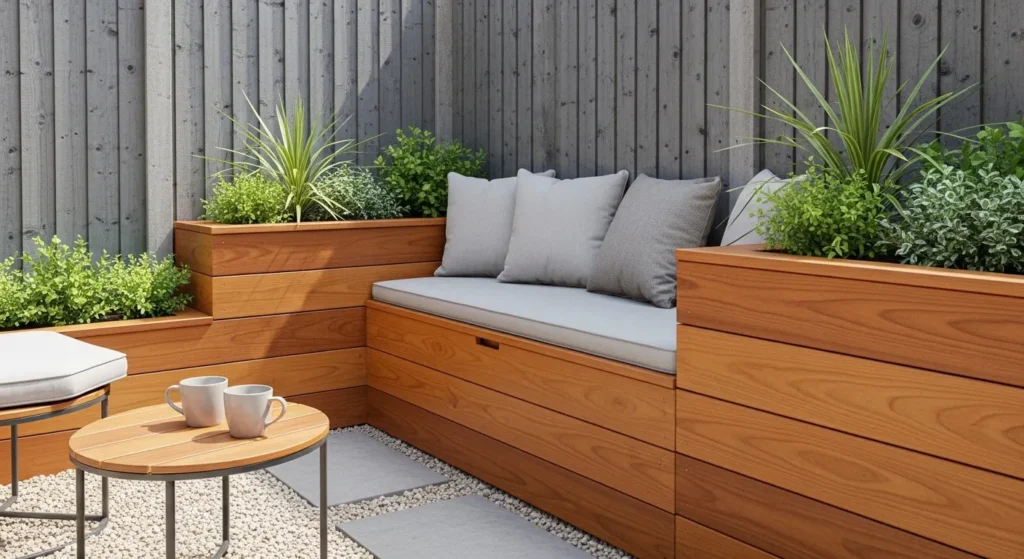
- Saves space compared with bulky outdoor furniture.
- Creates a permanent seating zone along fences or walls.
- Can include storage, cushions, planters, or side tables.
- Makes narrow backyards feel more usable and custom.
A built-in bench is perfect for a small backyard because it gives you seating without filling the space with movable furniture. Place it along a fence, wall, raised bed, or patio edge so the center remains open. Cedar, teak, pressure-treated wood, composite decking, or concrete blocks with wood tops can all work depending on budget and style. The cleanest version has straight lines, neutral cushions, and a simple shape that feels connected to the yard instead of looking like a separate piece.
The bench can do more than provide a place to sit. Add hidden storage underneath for cushions, toys, garden gloves, or small tools, or build planters at each end for a softer look. Keep cushions weather-resistant and choose colors like cream, charcoal, olive, navy, or tan for a polished USA backyard style. I’ve seen this work well in townhome yards because it turns one plain fence line into a useful feature. It also makes hosting easier without dragging extra chairs outside.
6. Vertical Planter Fence
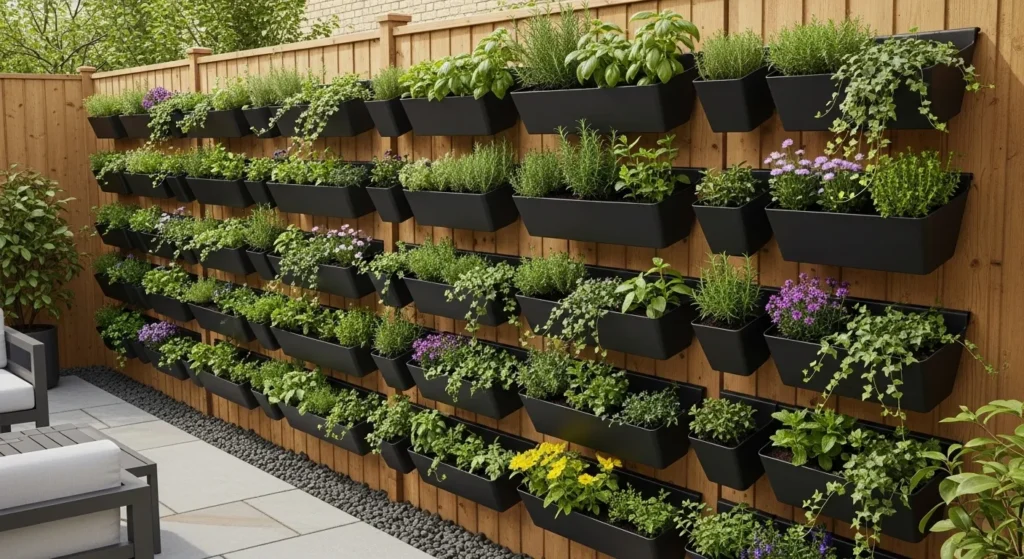
- Adds greenery without taking up ground space.
- Works well for patios, balconies, townhomes, and narrow yards.
- Can hold herbs, flowers, trailing plants, or succulents.
- Makes a plain fence feel styled and purposeful.
A vertical planter fence is a smart solution when the backyard is short on floor space but needs more greenery. Instead of placing pots everywhere, use the fence as a growing surface with wall planters, pocket planters, rails, shelves, or hanging baskets. This works beautifully in compact patios and narrow yards because the plants rise upward, leaving the walking and seating areas clear. Choose a simple container style and repeat it so the final look feels organized rather than busy or overly decorative.
For best results, match plants to the amount of sun the fence receives. Herbs, petunias, calibrachoa, and succulents do well in bright areas, while ferns, pothos, and shade-tolerant annuals suit softer light. Use lightweight potting mix, proper drainage, and sturdy mounting hardware rated for outdoor use. A vertical planter also creates a lovely Pinterest-style backdrop for a bench or bistro table. The final effect feels fresh, space-saving, and personal, while still being practical for renters or homeowners who want flexible outdoor beauty.
7. Compact Fire Zone
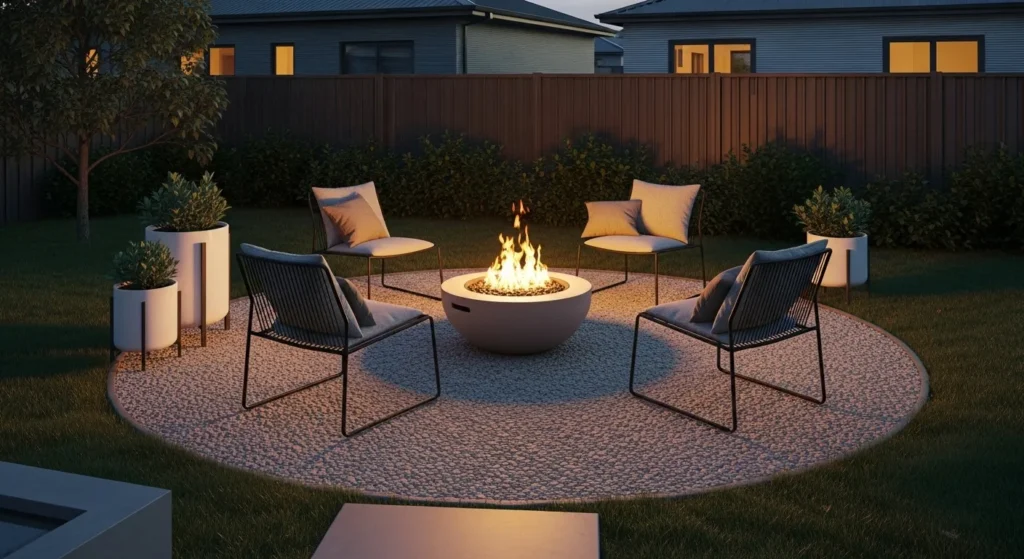
- Creates a cozy gathering area without needing a large yard.
- Works with smokeless fire pits, gravel pads, chairs, and pavers.
- Adds evening use and seasonal comfort.
- Makes the backyard feel more inviting for guests.
A compact fire zone can turn a small backyard into a cozy gathering spot, even when space is limited. The secret is choosing a fire feature that fits the scale of the yard, such as a small smokeless fire pit, gas bowl, tabletop fire feature, or square fire table. Place it on gravel, pavers, or a fire-safe patio surface, and leave proper clearance from fences, trees, furniture, and house walls. Always check local rules, especially in dry or wildfire-prone areas.
Keep the seating simple so the zone does not overwhelm the yard. Two lounge chairs, a small bench, or four lightweight chairs around a low fire pit can be enough. Use neutral cushions, outdoor throws, and a small side table for drinks or s’mores supplies. In my experience, small fire areas work best when they feel like a destination rather than the entire backyard. With the right spacing and safety choices, this area becomes useful during fall evenings, cool spring nights, and relaxed weekend gatherings.
8. Raised Herb Beds
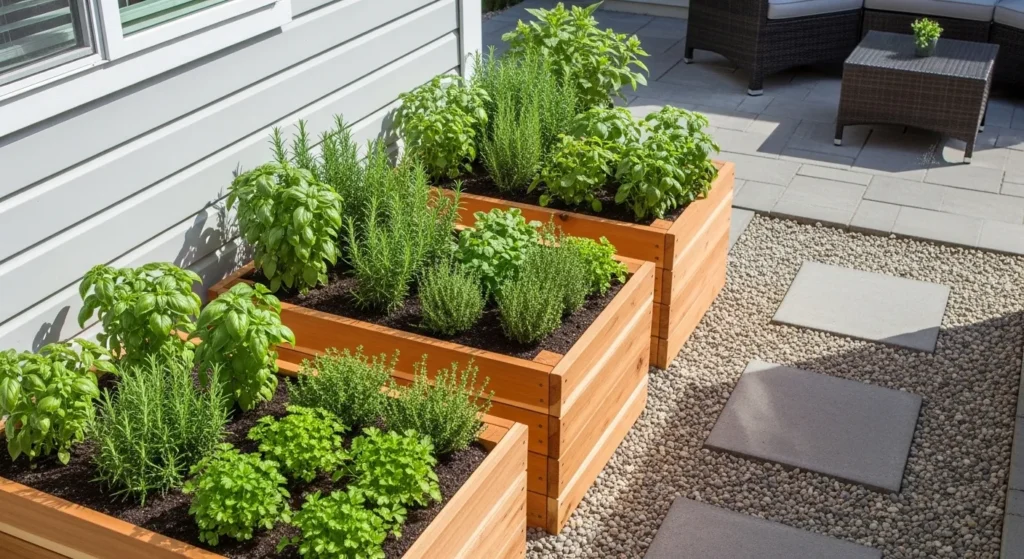
- Adds fresh edible greenery in a clean, organized way.
- Works near kitchens, patios, grills, or dining spaces.
- Makes watering, harvesting, and weeding easier.
- Looks stylish with wood, metal, or stone bed frames.
Raised herb beds are practical, beautiful, and perfectly suited for small backyards because they combine food growing with clean structure. Instead of scattering pots around the patio, build one or two slim raised beds near the kitchen door, grill, or dining area. Cedar, galvanized metal, corten steel, composite boards, or stone planters all work well. Herbs like basil, rosemary, thyme, oregano, parsley, chives, and mint add fragrance and texture while making the backyard feel more connected to everyday cooking.
The best layout keeps the bed narrow enough to reach from one side, especially if it sits against a fence or wall. Add drip irrigation or a simple watering schedule so herbs stay healthy during hot summer weeks. Use labels only if they match the style, such as small wood stakes or black metal markers. A raised herb bed also helps beginners because the soil can be controlled more easily than in the ground. The finished look feels fresh, useful, and beautifully organized.
9. Outdoor Dining Nook
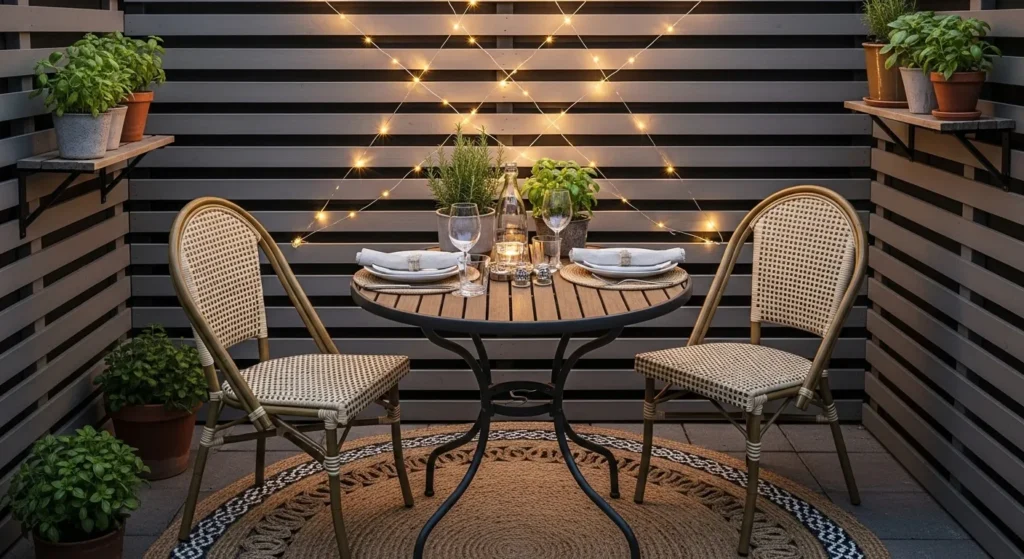
- Creates a clear place for meals, coffee, or weekend hosting.
- Works with bistro sets, slim benches, folding chairs, or small tables.
- Makes compact patios feel more intentional.
- Adds charm with lighting, planters, rugs, and simple table styling.
An outdoor dining nook can make a small backyard feel like an extension of the home instead of leftover outdoor space. You do not need a huge dining set to make it work. A round bistro table, narrow rectangular table, folding chairs, or a bench-and-table combination can fit beautifully in a corner or against a fence. Choose furniture that leaves enough walking room, and use an outdoor rug, planters, or lighting to define the area without adding walls.
The styling should feel relaxed but not cluttered. Use one centerpiece, such as a small potted herb, lantern, or simple vase, and keep chairs visually light. String lights, wall sconces, or solar lanterns can make the nook usable after sunset. I’ve noticed that homeowners use their backyards more often when there is a dedicated place to sit down with coffee or dinner. This idea turns even a plain concrete patio into a welcoming daily-use space for quiet mornings and casual evenings.
10. Soft Lighting Layers
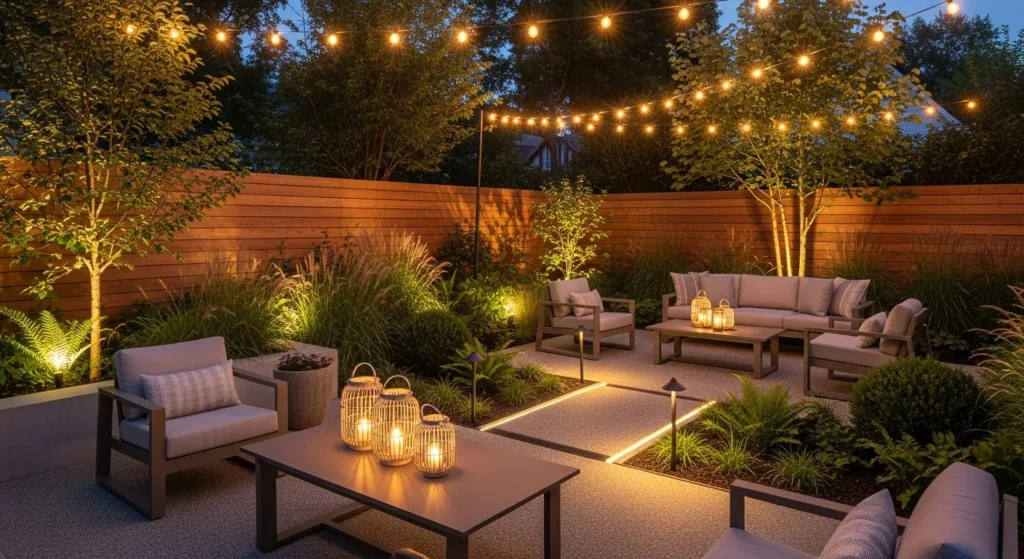
- Makes the yard safer, warmer, and more inviting at night.
- Works with string lights, path lights, lanterns, sconces, and step lights.
- Helps highlight plants, seating areas, and walkways.
- Adds atmosphere without needing major construction.
Soft lighting layers can make a small backyard feel magical without making it look overdone. Instead of relying on one bright floodlight, combine several gentle sources that serve different purposes. Use path lights for movement, string lights for atmosphere, lanterns for tables, and wall lights near doors or seating. Warm white bulbs usually look more flattering outdoors than cool blue tones. This approach helps the yard feel inviting while still keeping it safe for walking, dining, and relaxing after dark.
The key is balance. Too many lights can make a small yard feel busy, while too few can leave corners unusable. Place lights where people move, gather, or need to see steps and edges. Solar options can work for simple accents, but hardwired or plug-in lights often provide stronger reliability. Keep fixture finishes consistent, such as black, bronze, brass, or stainless steel. Good lighting also improves how the space looks from inside the house, giving you a beautiful evening view through windows and patio doors.